How to Implement AI Security Guardrails to Protect Your Systems
Artificial intelligence can boost productivity, but without proper safeguards it may also open doors to unintended risks. Think of AI guardrails as the safety net that keeps sophisticated models from straying into dangerous territory—whether that’s leaking data, making biased decisions, or simply malfunctioning under unusual inputs. Below we’ll walk through the core concepts, practical steps, and common pitfalls so you can reinforce your infrastructure without over‑engineering.
Why Guardrails Matter in Today’s AI Landscape
Most organizations treat AI like a new tool in the toolbox, yet they often forget that tools need limits. Without clear boundaries, a model trained on historical data might reinforce existing biases, or an automated system could inadvertently expose sensitive information.
- Compliance pressure: Regulations such as GDPR and the upcoming AI Act demand transparent, controllable AI behavior.
- Business continuity: Unexpected model outputs can disrupt services, erode customer trust, and trigger costly remediation.
- Reputation risk: A single high‑profile AI failure can tarnish a brand for years.
Key Types of AI Guardrails
1. Data‑Level Controls
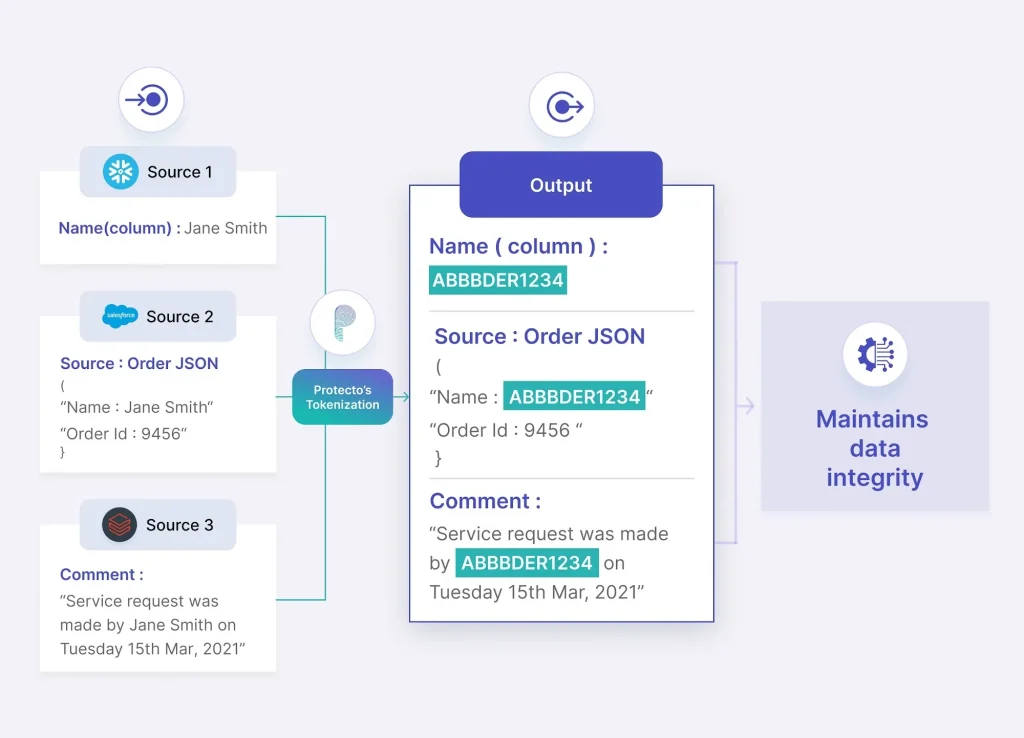
Before a model ever sees a single data point, you can enforce rules that filter, anonymise, or flag problematic entries. This includes:
- Removing personally identifiable information (PII) from training sets.
- Applying statistical tests to spot imbalance that could lead to bias.
- Version‑controlling datasets so you always know which snapshot fed a particular model.
2. Model‑Level Safeguards
These act once the algorithm is in motion. Common techniques involve:
- Output monitoring: Real‑time checks that flag anomalous predictions, such as a loan‑scoring model suddenly approving high‑risk applicants.
- Adversarial testing: Feeding intentionally misleading inputs to gauge robustness.
- Explainability layers: Tools that surface why a model made a specific decision, helping humans spot red flags.
3. Deployment and Operational Guardrails
Even a well‑behaved model can go rogue if the surrounding infrastructure is lax. Consider:
- Rate‑limiting API calls to prevent denial‑of‑service scenarios triggered by model latency.
- Isolating AI workloads in containers with strict network policies.
- Automated rollback mechanisms that revert to a previous model version when error rates cross a threshold.
Step‑By‑Step Guide to Building Your Guardrails
Step 1: Map the Threat Landscape
Start with a simple matrix: list possible failure modes (bias, data leakage, model drift) and rank them by impact and likelihood. This exercise doesn’t need a risk‑assessment specialist—just a cross‑functional team that includes data scientists, security engineers, and compliance leads.
Step 2: Choose Guardrail Techniques That Fit
Not every safeguard is worth the overhead. If you’re handling medical records, data‑level anonymisation is non‑negotiable. For a recommendation engine, real‑time output monitoring may be sufficient.
Step 3: Implement Early‑Stage Checks
Integrate validation scripts into your data pipeline. A quick Python snippet that drops rows with missing values or masks email addresses can save hours of later remediation.
Step 4: Embed Monitoring in the Model Lifecycle
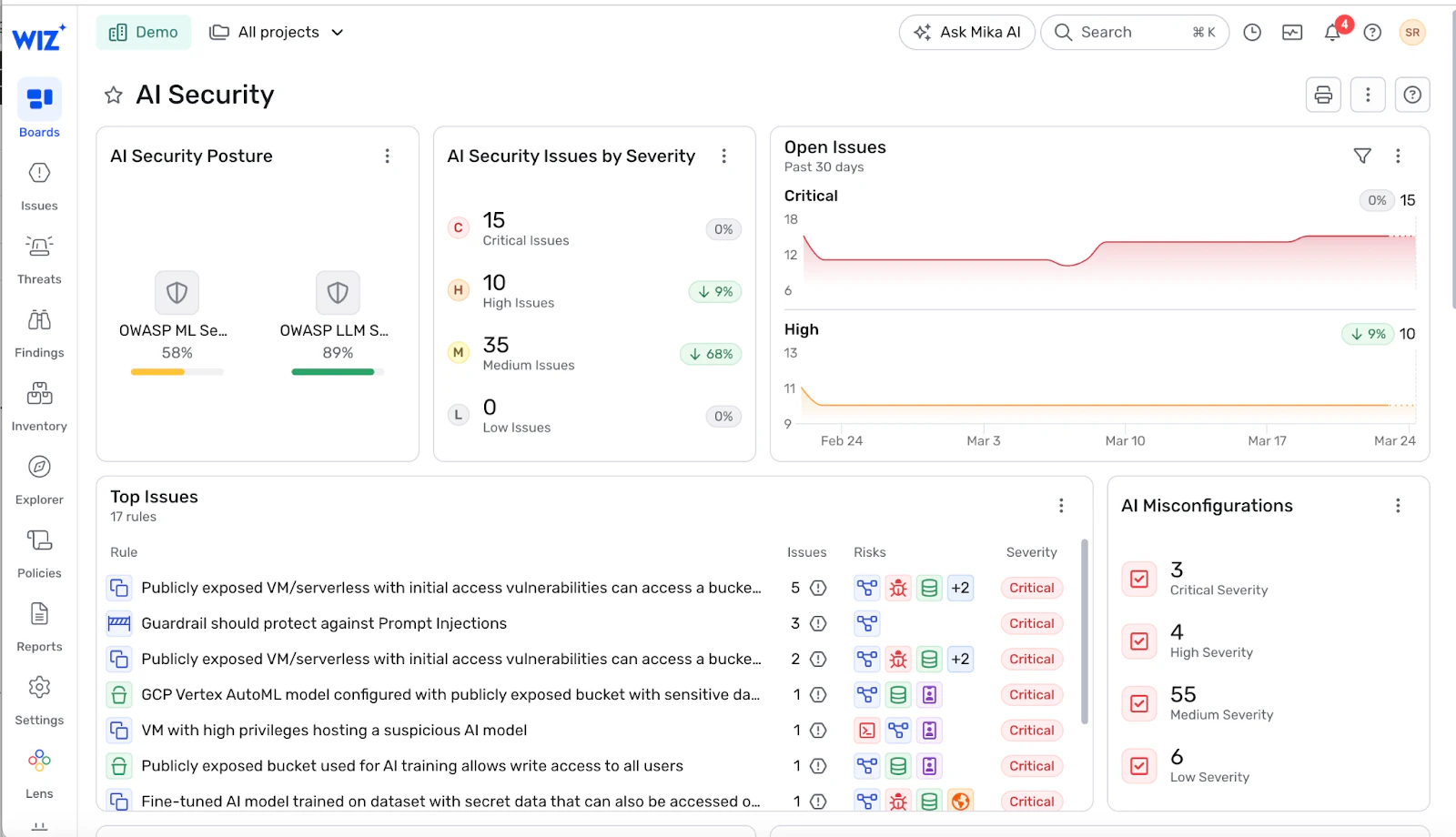
Deploy a lightweight “shadow” model alongside the production version. It runs the same inputs but does not affect user experience; instead, it feeds metrics into a dashboard where anomalies become visible at a glance.
Step 5: Automate Response Actions
If the error‑rate chart spikes, an orchestrated workflow should automatically:
- Pause the offending endpoint.
- Notify the responsible team via Slack or email.
- Trigger a rollback to the last stable model.
- Log the incident for post‑mortem analysis.
Step 6: Review and Iterate
Guardrails aren’t set‑and‑forget. Schedule quarterly reviews to adjust thresholds, update data filters, and incorporate lessons learned from any incidents.
Tools and Platforms That Simplify Guardrail Management
- Open-source libraries: Fairlearn and What-If Tool help surface bias and test counterfactuals without heavy licensing.
- Cloud services: Major providers now bundle AI governance modules—think Azure’s Responsible AI dashboard or Google Cloud’s Model Monitoring.
- Dedicated MLOps suites: Solutions like MLflow or ClearML include hooks for custom validation steps, making it easier to bake guardrails into CI/CD pipelines.
Common Pitfalls to Watch Out For
Even seasoned teams stumble into the same traps:
- Over‑reliance on a single metric: Focusing solely on accuracy can hide drift in fairness or privacy.
- Guardrails become bottlenecks: If every model update requires a week‑long manual review, you’ll lose the agility AI promises.
- Neglecting the human factor: Automated alerts are only useful if the right people receive them and know how to act.
Balancing Security with Innovation
It’s easy to think that tighter guardrails mean slower progress, but the opposite often holds true. When teams know that robust safety nets are in place, they feel freer to experiment, confident that any misstep will be caught early. The sweet spot lies in lightweight, automated checks that surface issues before they reach customers, while still leaving room for rapid iteration.
In practice, that might look like a daily “model health” email summarising key indicators, coupled with an alert system that only fires when thresholds are breached. The result? A culture where security is baked in, not bolted on after the fact.