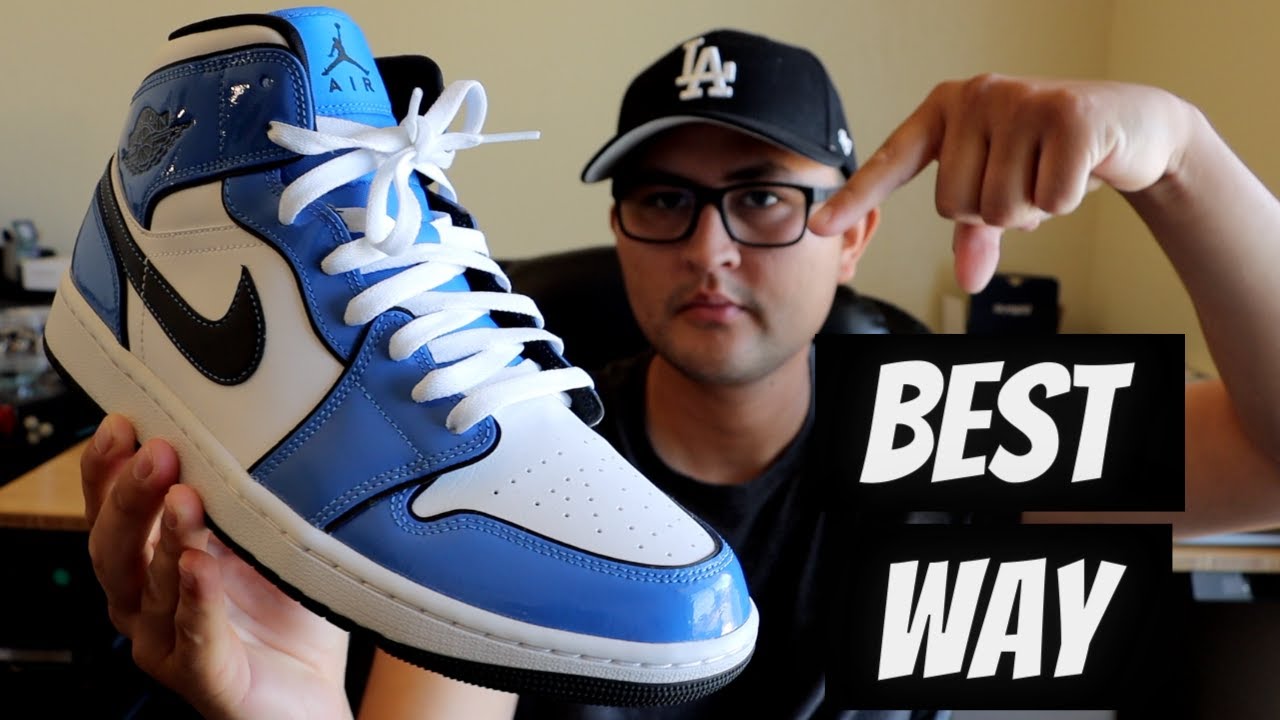
How to Lace Your Jordan 1 Highs: A Complete Step‑by‑Step Guide
Jordan 1 Highs have been a staple in streetwear for decades, and the way you lace them can change the whole vibe. Whether you’re after a clean look for the office or a bold statement for a night out, the lacing pattern you choose says a lot about your style. Below is a practical walk‑through of the most popular methods, plus a few off‑beat ideas for when you feel adventurous.
Why Lacing Matters
Beyond aesthetics, the right lacing technique can affect comfort and support. A snug fit prevents the foot from sliding forward, which helps protect the ankle during long days on your feet. On the flip side, overly tight laces can cause pressure points. Think of it as a tiny tailoring job for your sneakers.
Basic Tools You’ll Need
- Fresh laces: Cotton for a classic feel, or sleek synthetic blends for a modern edge.
- Patience: Some patterns take a few minutes the first time.
- Optional lace lock: Tiny clips that keep the ends from untying.
1. The Classic Straight‑Bar (Also Called “Criss‑Cross”)
This is the default look most people assume when they see a pair of Jordan 1 Highs. It’s simple, symmetrical, and works for any colorway.
Step‑by‑Step
- Start with the shoelace threaded through the bottom eyelets from the outside in, leaving equal lengths on both sides.
- Cross the left lace over the right, feeding it through the next set of eyelets from the inside out.
- Repeat the crossing motion all the way up the shoe, maintaining even tension.
- When you reach the top eyelets, tie a standard knot or use a double‑knot for extra security.
Tip: Pull the laces snug but not straining; you should still feel a slight give when you wiggle your foot.
2. The “Hidden” Ladder (A Subtle Twist)
Want a clean look without the criss‑cross lines? The hidden ladder keeps the laces mostly on the outside, giving a minimalist finish while still offering a secure fit.
Step‑by‑Step
- Thread the lace through the bottom eyelets as usual, leaving long ends.
- Instead of crossing, feed the left side straight up the left column of eyelets, exiting each one from the same side it entered.
- Do the same with the right side, creating two parallel “ladders.”
- When you reach the top, tie the ends together on the outer side of the shoe, then tuck any excess under the laces.
This method is especially effective on high‑contrast colorways where you want the shoe’s upper to dominate the visual.
3. The “Zipper” Look (For a Sporty Edge)
The zipper style adds a quick‑release feel and channels a bit of that retro basketball vibe.
Step‑by‑Step
- Insert the lace through the bottom eyelets from the outside, pulling equal lengths.
- Instead of crossing, guide the left lace up the right side of the shoe, skipping one eyelet and looping back down.
- Mirror the motion with the right lace on the opposite side, creating a staggered “Z” pattern.
- Finish with a loose bow at the top; the pattern holds itself without a tight knot.
Because the laces interlock loosely, you can adjust tightness on the fly – handy for those who swing between the gym and a coffee shop.
4. Quick‑Release “No‑Tie” Hack
If you’re always in a hurry, consider elastic laces or the “Lock Laces” system. They’re not a traditional lacing method, but they transform the shoe into a slip‑on while retaining that snug fit.
- Thread the elastic laces through the shoe as if they were regular laces.
- Pull tight, then lock the ends using the built‑in clips.
- Adjust tension with the sliding mechanism – a few pulls and you’re ready to go.
Perfect for travel or when you’re juggling a busy morning routine.
Choosing the Right Lace Length
Jordan 1 Highs typically need 54‑inch (about 137 cm) laces for the classic criss‑cross. If you opt for ladder or zipper styles, you might need a slightly longer piece to accommodate the extra loops. Here’s a quick cheat sheet:
- Standard criss‑cross: 54 in
- Ladder or hidden: 56‑58 in
- Zipper: 58‑60 in
When in doubt, err on the side of a bit longer; you can always trim excess later.
Maintaining Your Laces
Fresh laces look great, but they also last longer with a little care:
- Hand‑wash in cold water, avoid harsh detergents.
- Air‑dry flat to keep the fibers from stretching.
- Rotate colors for a fresh look each season – don’t let one pair dominate your wardrobe.
When to Switch It Up
It’s easy to get stuck in a routine, but playing with lacing can refresh an old pair. Consider changing your pattern:
- Before a special event – a hidden ladder adds a sleek, upscale feel.
- During warm weather – a quick‑release elastic keeps things breathable.
- When you’re testing a new sneaker release – the zipper look pairs nicely with bold, neon accents.
Final Thoughts
Lacing your Jordan 1 Highs isn’t just functional; it’s an extension of personal style. Whether you stick to the classic criss‑cross, try a hidden ladder, or go full‑on with elastic quick‑ties, the key is comfort and confidence. Take a moment to experiment – the right pattern might just become your signature.