How West Virginia Mugshots and Booking Logs Really Work
Ever wondered why a simple online search for a “West Virginia mugshot” pulls up a whole dossier of arrest details? The short answer is that states are required to keep public records of arrests, and West Virginia has its own set of rules that shape what you see and how you can use it. Below we’ll unpack the basics, clarify common misconceptions, and point out the practical bits you’ll need whether you’re a journalist, a concerned citizen, or just curious.
What Exactly Is a Mugshot?
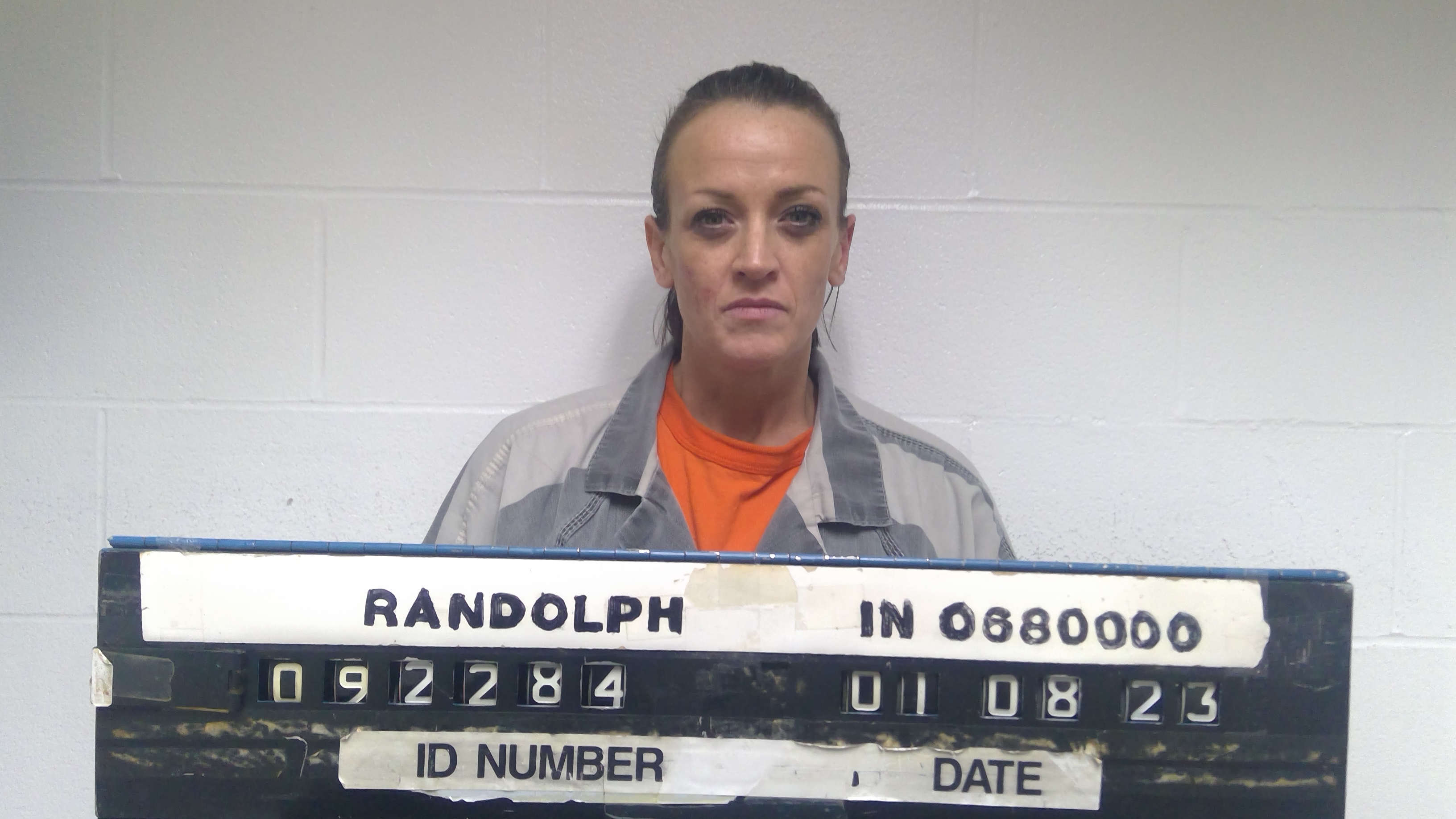
A mugshot is a photographic record taken at the time of booking. In West Virginia the image typically includes a front‑facing portrait and a side profile. The purpose is purely administrative – it helps law‑enforcement identify a person throughout the booking process and later if the case goes to trial.
Key Elements of a Booking Photo
- Front view: Shows facial features, hair style, and any distinguishing marks.
- Side view: Captures profile details that could aid identification.
- Timestamp: The date and time are usually embedded in the file name or metadata.
These images become part of the public record, but they’re not meant to imply guilt. Remember, an arrest is merely a brush with the law, not a conviction.
Where Do Booking Logs Come From?
When someone is taken into custody, the county sheriff’s office or municipal police department generates a booking log. This log lists:
- Full legal name (or alias if used).
- Charges filed at the time of arrest.
- Booking number – a unique identifier for the case.
- Arresting agency and location.
- Bond amount, if applicable.
In West Virginia, most of these logs are posted online by the individual county’s website, often within a searchable database. Some counties opt for a statewide portal that aggregates data, making it easier to locate records across the Mountain State.
Why Are These Records Public?
The principle behind public access is transparency. Citizens have a vested interest in seeing who is being detained, especially when it involves local officials or public safety concerns. West Virginia law follows the “open records” tradition, allowing anyone – media, attorneys, or the general public – to request or view these documents without needing a special purpose.
That said, there are limits. Records may be redacted if they contain:
- Juvenile information.
- Details that jeopardize an ongoing investigation.
- Sensitive personal data, such as Social Security numbers.
How to Find Mugshots and Booking Logs
Finding what you need isn’t rocket science, but the process varies by county. Here’s a quick roadmap:
- Identify the county: Most arrests are processed at the county level. If you know the city, you can usually infer the county.
- Visit the official site: Look for sections labeled “Inmate Search,” “Arrest Records,” or “Public Records.”
- Use the search tools: You can often search by name, booking number, or date range.
- Check statewide databases: Websites like WV Justice.gov offer a consolidated view, though they may lag behind local sites.
Be prepared for occasional outages. Smaller counties sometimes experience technical glitches, so a phone call to the sheriff’s office can be a useful backup.
Understanding the Legal Landscape
West Virginia’s public‑record statutes are generally friendly to researchers, but a few nuances matter:
- Presumption of openness: The default is that records are available unless a specific exemption applies.
- Time limits: Some records are removed after a set period, especially if charges are dropped.
- Privacy protections: Even though mugshots are public, using them for commercial purposes without permission can breach privacy laws.
In practice, this means you can view and even share a mugshot for personal or journalistic reasons, but you shouldn’t sell the image or use it to harass someone.
Common Misconceptions
“If it’s online, it’s permanent.” Not always. Counties may purge old booking logs after a year or two, particularly if the individual was never convicted.
“All mugshots mean guilt.” A mugshot only confirms that someone was booked; it says nothing about the outcome of the case. Always cross‑reference with court records for the final disposition.
“I can get a mugshot for free.” Most counties provide the data at no charge, but third‑party sites sometimes charge a fee for easier navigation. Those sites often add advertising, so weigh the convenience against the cost.
Practical Tips for Researchers
If you’re pulling data for a story, a report, or personal curiosity, keep these pointers in mind:
- Document the source URLs and the date you accessed the data – records can change.
- Cross‑check charges with the county circuit court’s docket to see if the case proceeded.
- Respect redaction rules; don’t attempt to “unmask” information that has been legally blocked.
- Consider the ethical angle: publishing a mugshot of someone later found innocent can cause real harm.
What to Do If You Spot an Error
Mistakes happen. A misspelled name or an incorrect charge can linger online, affecting reputations. If you discover an error:
- Contact the sheriff’s office or police department that posted the record.
- Provide clear evidence of the mistake (court documents, for example).
- Request a correction or removal, citing West Virginia’s open‑record amendment procedures.
Most agencies are responsive, especially when the error could lead to defamation concerns.
Wrapping Up the Essentials
West Virginia’s mugshots and booking logs are a window into the state’s criminal‑justice process. They’re public, searchable, and generally easy to access – but they come with important caveats about privacy, accuracy, and the presumption of innocence. Whether you’re digging into a local news piece or simply satisfying a curiosity, knowing where to look, how to interpret the data, and the legal boundaries can make the experience smoother and more responsible.