How to Master Hatsune Miku’s Intense Voice on Sonolus Hard
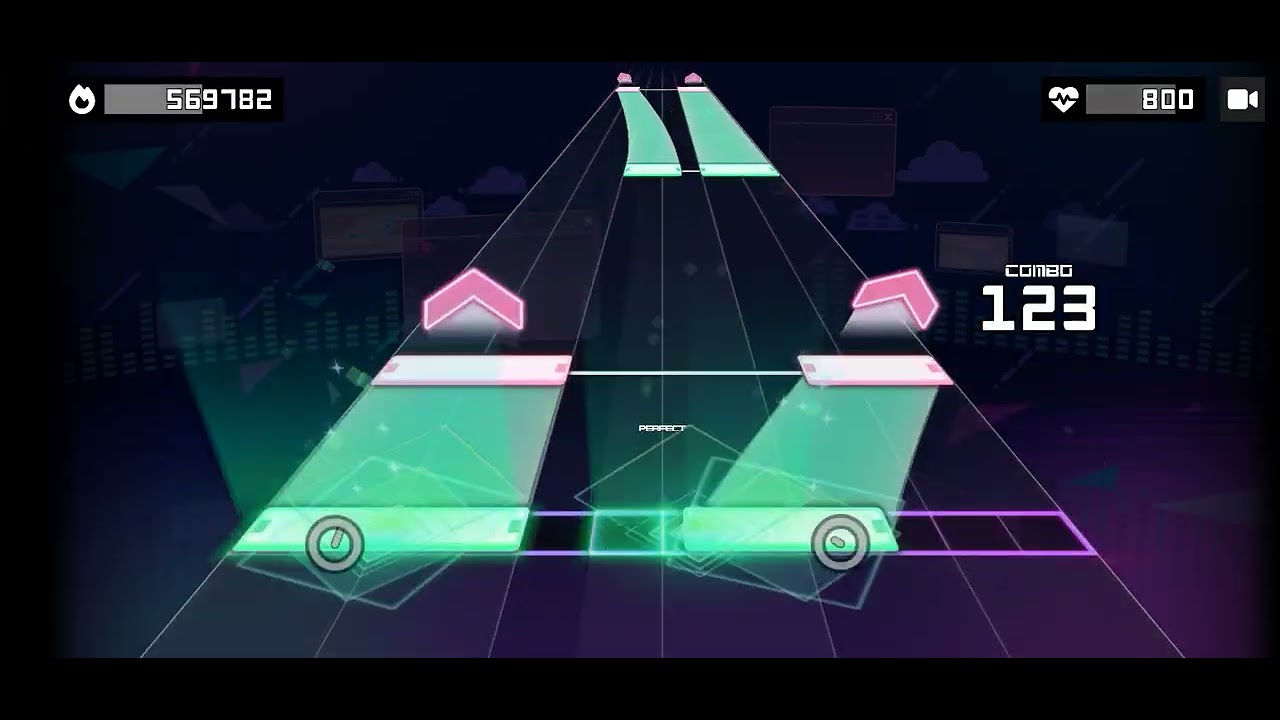
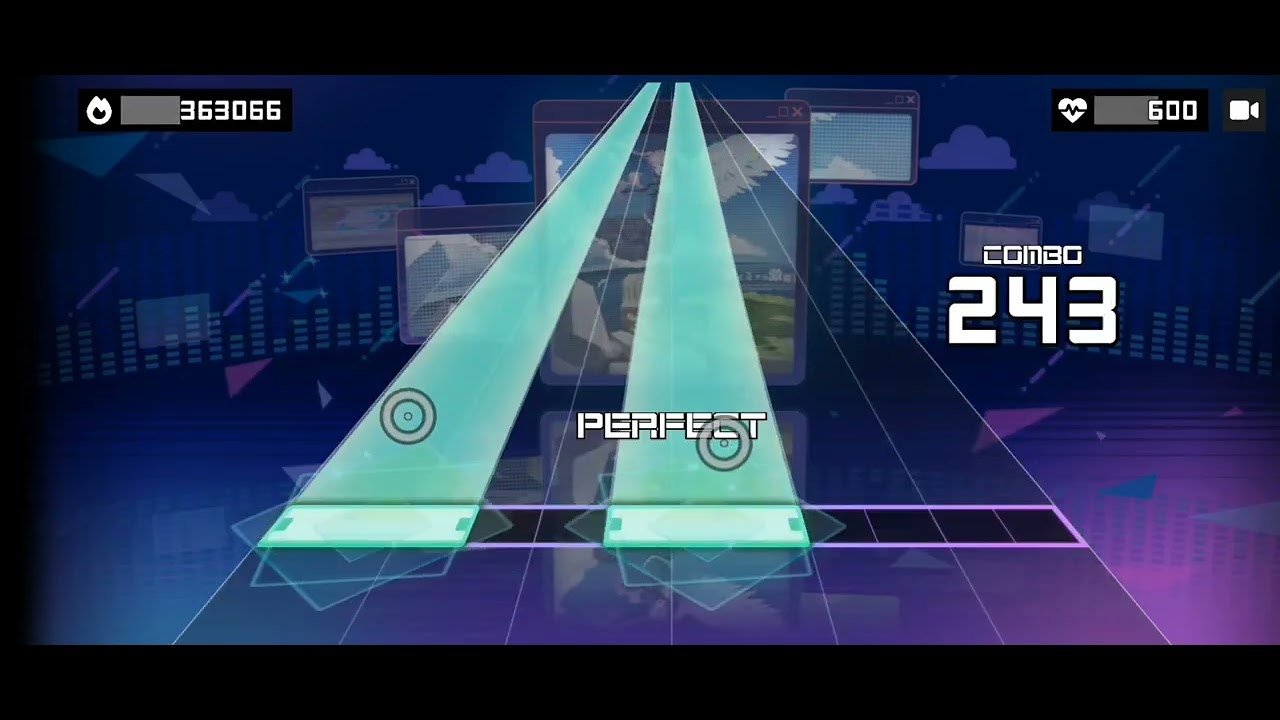
If you’ve ever tried the Hard chart for “Intense Voice” and felt your fingers betray you, you’re not alone. The note density spikes, the timing tightens, and the soundtrack itself seems to push you faster. Below is a practical walk‑through that stitches together the most effective tricks, without promising instant perfection.
Understanding the Chart’s Structure
The Hard version is split into three distinct phases: the opening rush, the mid‑section syncopation, and the final cascade. Each part has its own rhythm‑feel, so treating the whole song as a single block will only blur the nuances you need to catch.
Opening Rush (0:00–0:45)
- Notes appear in quick bursts, often in groups of four to six.
- Focus on the first beat of each group—it anchors the rest.
- Resist the urge to “hit everything” immediately; let your hand settle into the pattern.
Mid‑Section Syncopation (0:45–1:30)
- Irregular spacing means the visual cues can be deceptive.
- Listen for the vocal phrasing—Miku’s syllables often line up with the next beat.
- Practice with the audio track muted; the visual flow becomes clearer.
Final Cascade (1:30–2:05)
- The note count peaks here, and stamina matters as much as precision.
- Adopt a relaxed grip; a tight fist will tire you out quickly.
- Break the cascade mentally into chunks of eight to keep it manageable.
Preparing Your Setup
A solid foundation goes beyond the in‑game settings. Start by calibrating your input delay—most players find a 2‑ to 3‑frame offset optimal for Hard charts. Then, customize the visual skin: a high‑contrast theme reduces eye strain during those rapid passages.
Don’t overlook your hardware. A keyboard with short travel distance or a responsive gamepad can shave milliseconds off each tap. If you’re using a mouse, set the DPI to a comfortable level; too fast and you’ll overshoot, too slow and you’ll lag behind.
Key Techniques for Accuracy
Here are the moves that separate the middling players from the ones who actually clear the chart.
- Slide Anticipation: Instead of reacting when a slide appears, glance ahead two beats and position your finger accordingly.
- Tap‑Hold Balance: When a hold follows a tap, release the tap just enough to keep the hold steady; a common mistake is to keep the finger depressed, causing the hold to miss.
- Micro‑Timing Nudges: For the tiniest timing windows, gently tap the key a fraction earlier than the visual cue—this works especially well on syncopated beats.
Building a Practice Routine
The easiest way to improve is to slice the chart into repeatable loops. Spend 10‑15 minutes on each loop, aiming for 90‑plus% accuracy before moving on. Here’s a simple schedule you can try:
- 5 minutes warm‑up on the opening rush (loop 0:00‑0:15).
- 10 minutes on the mid‑section syncopation (loop 0:45‑0:55).
- 15 minutes tackling the final cascade in 5‑second segments.
- Finish with a full run, focusing on flow rather than perfection.
Notice how the emphasis shifts from raw speed to consistency as you progress. It’s tempting to sprint through every segment, but a measured pace yields steadier gains.
Common Pitfalls and How to Avoid Them
Even experienced players stumble over the same traps. Recognizing them early saves hours of frustration.
- Over‑thinking: Staring too long at the note highway can freeze your reflexes. Trust your muscle memory after a few repeats.
- Ignoring Audio Cues: Miku’s vocal accents often hint at upcoming notes; silencing the track removes a valuable guide.
- Fatigue: The Hard chart is demanding. Take 30‑second breaks after each failed attempt; a short pause restores precision.
Extra Resources Worth Checking Out
While this guide covers the fundamentals, many players benefit from community packs. A few reliable sources include:
- Dedicated Sonolus forums where members share timing maps and custom skins.
- YouTube breakdowns that visualize each segment in slow motion.
- Discord servers offering live coaching sessions—great for instant feedback.
Keep in mind that every player’s setup is slightly different, so what works for one may need tweaking for another. Experiment, stay patient, and let the rhythm guide you.
![THE INTENSE VOICE OF HATSUNE MIKU [HARD MODE] - YouTube](https://i.ytimg.com/vi/sXgPP77850A/maxresdefault.jpg)

