How to Master Homogenization with the Tetra Pak Alex 400
Why Homogenization Matters in Modern Food Processing
In dairy, fruit drinks, and many ready‑to‑drink beverages, a uniform texture isn’t just about mouthfeel—it impacts shelf life, flavor stability, and even nutritional consistency. When particles or fat globules remain unevenly dispersed, you risk separation, grainy spots, or a product that looks unappealing on the shelf. That’s why manufacturers turn to dedicated homogenizers like the Tetra Pak Alex 400.
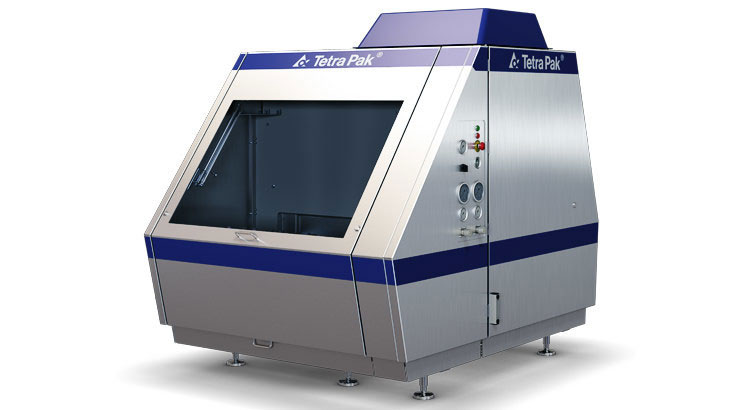
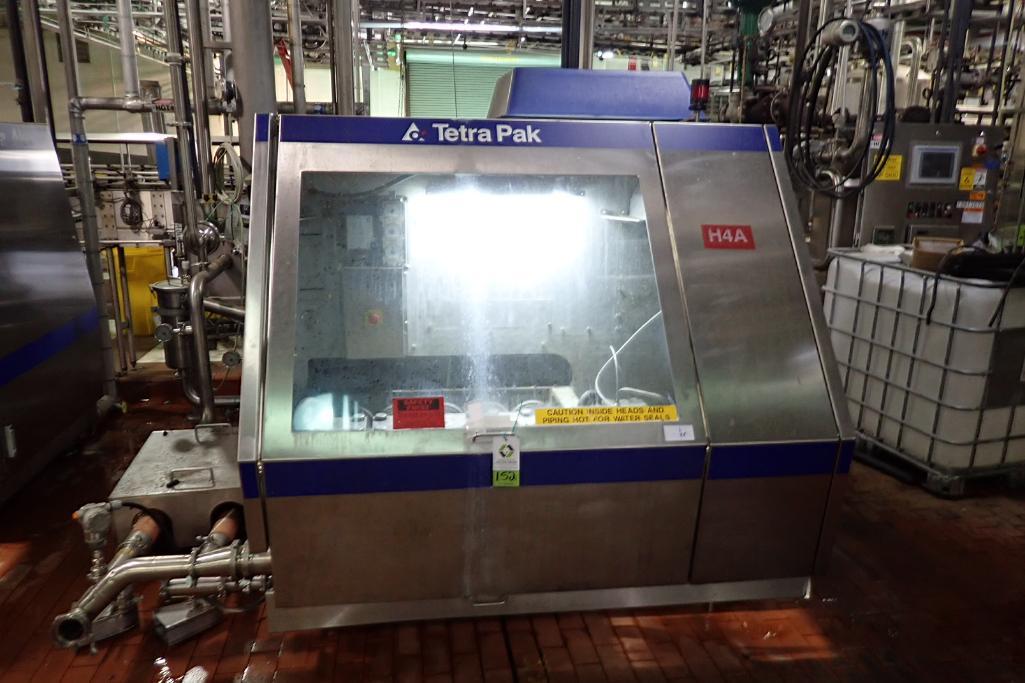
Getting to Know the Alex 400
The Alex 400 sits in the sweet spot between compact lab‑scale units and industrial‑grade homogenizers. Its key selling points include:
- Four‑stage rotary valve that handles a wide range of viscosities.
- Built‑in temperature control for heat‑sensitive formulas.
- Simple HMI panel that lets operators tweak pressure, flow rate, and number of passes.
- Compact footprint—ideal for pilot plants or medium‑scale production lines.
Those features make it surprisingly versatile, but they also mean there’s a learning curve before you can claim “perfectly homogenized.”
Core Parameters: Pressure, Flow, and Passes
Three knobs primarily drive the outcome:
- Pressure – measured in bar; higher pressure forces the product through tighter gaps, breaking down larger particles.
- Flow rate – how quickly the product moves; slower flow lets the high pressure act longer on each volume.
- Number of passes – sending the product through the valve multiple times improves uniformity, but each pass adds a bit of heat.
In practice, you’ll start with the manufacturer’s baseline—often 150 bar, 50 L/h, and a single pass for a standard milk blend. From there, adjustments depend on what you’re actually processing.
Step‑by‑Step Homogenization Setup
1. Prepare the Feed
Make sure the raw material is pre‑filtered and at the recommended inlet temperature (usually 40–50 °C for dairy). Anything larger than 50 µm can jam the valve.
2. Configure the HMI
Enter the target pressure and flow rate. If you’re unsure, use the “Auto‑Setup” mode; the machine will run a quick test and suggest settings based on viscosity.
3. Run a Test Batch
Start with a small volume—around 5 L—and collect samples after each pass. Measure particle size distribution with a laser diffractometer or simply check visual separation after a few hours.
4. Fine‑Tune
Typical adjustments look like this:
- If you still see fat globules > 2 µm, raise the pressure by 20 bar.
- If the product overheats (above 60 °C), reduce flow rate or add a cooling jacket.
- For stubborn suspensions, add a second pass rather than cranking up pressure too high.
Common Pitfalls and How to Avoid Them
Even seasoned operators stumble on a few recurring issues:
- Clogging – often caused by insufficient pre‑filtration. A 5 µm filter upstream can save hours of downtime.
- Excessive heat buildup – each pass adds roughly 2–3 °C. Keep an eye on the coolant flow; a clogged heat exchanger defeats the whole purpose.
- Inconsistent pressure – check the hydraulic pump’s oil level and replace seals if pressure drifts during a run.
Cleaning and Maintenance Tips
Because the Alex 400 handles high‑pressure fluids, regular sanitation is non‑negotiable. Follow these steps after each production cycle:
- Flush the system with warm water at low pressure to remove residues.
- Run a SIP (Steam‑In‑Place) cycle at 121 °C for at least 15 minutes.
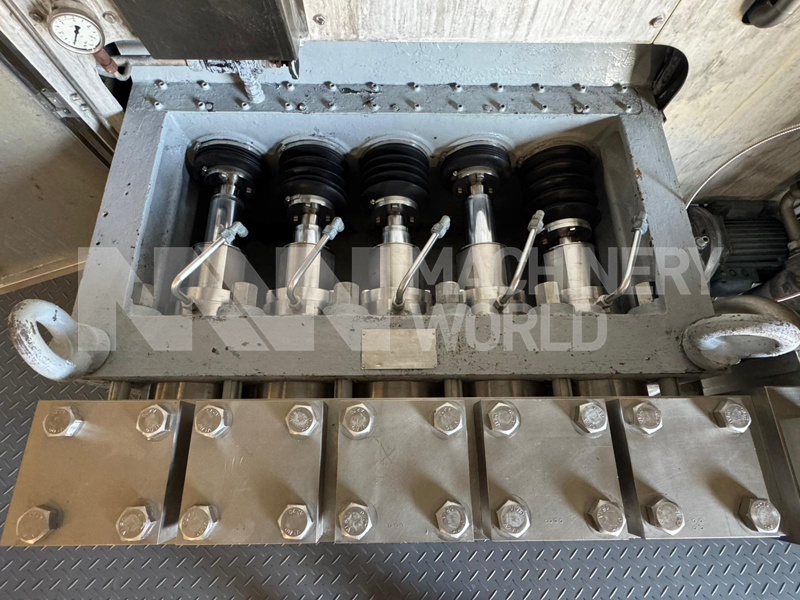
- Inspect the rotary valve’s sealing surfaces; replace them every 12–18 months depending on usage.
Skipping even one of these can lead to microbial growth or wear that subtly reduces homogenization efficiency over time.
Real‑World Example: From 150 µm to 1.2 µm in Three Passes
A mid‑size juice producer wanted a smoother pulp‑free drink. Starting at 150 µm particle size, they ran the Alex 400 at 180 bar, 40 L/h, and three passes. Post‑run analysis showed an average size of 1.2 µm and a shelf‑life increase of 30 days. The key was the extra pass; pressure alone would have required a jump to 250 bar, which risked damaging the valve.
When to Consider Alternative Homogenizers
If you regularly process highly viscous sauces (> 10 Pa·s) or need ultra‑high pressures above 300 bar, the Alex 400 might hit its limits. In those cases, look at two‑stage high‑pressure homogenizers or ultrasonic processors that can handle the extra load.
Bottom Line
The Tetra Pak Alex 400 is a surprisingly adaptable tool once you understand the interplay of pressure, flow, and passes. Start with the manufacturer’s baseline, test, and then tweak in small increments. Keep the feed clean, watch the temperature, and stay on top of routine cleaning. With that routine in place, you’ll consistently churn out silky, stable drinks that meet both consumer expectations and shelf‑life requirements.