How to Master TikTok Keyword Research for Better Reach
Ever scrolled through TikTok and wondered why some videos pop up instantly while others linger unnoticed? The secret often lies in the words creators use behind the scenes. Understanding TikTok keyword research can turn a modest post into a discovery engine for new followers.
Why Keyword Research Matters on TikTok
Unlike traditional search engines, TikTok blends algorithmic recommendations with a strong emphasis on discoverability through sounds, hashtags, and on‑screen text. When you align your content with the terms people actually type—or even speak—in the app, you give the algorithm a clearer cue about who should see your video.
- Higher visibility: Relevant keywords boost placement on the For You page.
- Targeted audience: Viewers who search for those terms are already interested in your niche.
- Trend leverage: Riding a rising keyword can accelerate growth during its peak.
Getting Started: The Basics of TikTok Keywords
First, let’s demystify what counts as a “keyword” on TikTok. It isn’t just a hashtag. Think of three layers:
1. Hashtags
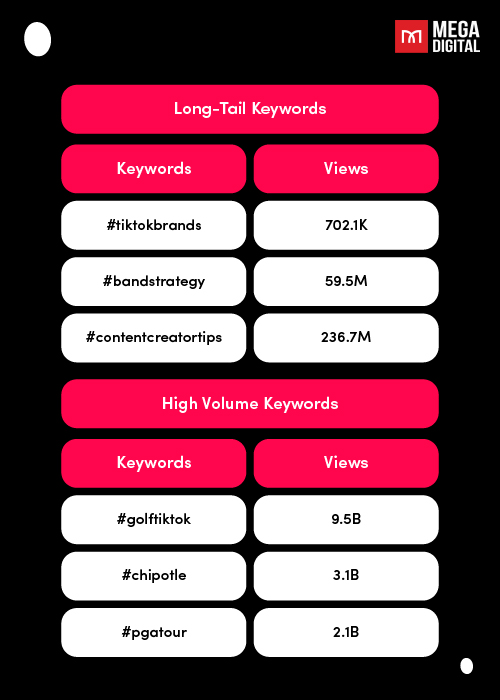
These are the most obvious markers. While popular tags like #fyp or #tiktokchallenge attract broad audiences, niche tags (#DIYroommakeover, #veganrecipes) connect you with users actively hunting for that content.
2. Sound Names
Every audio clip has a searchable title. If a trending song powers your video, using the exact sound name in the caption can surface your post when users look for that track.
3. On‑Screen Text & Captions
Even the few words you type in the caption act as searchable text. The algorithm parses them for relevance, so concise, descriptive language works better than vague emojis.
Tools and Techniques for Finding the Right Keywords
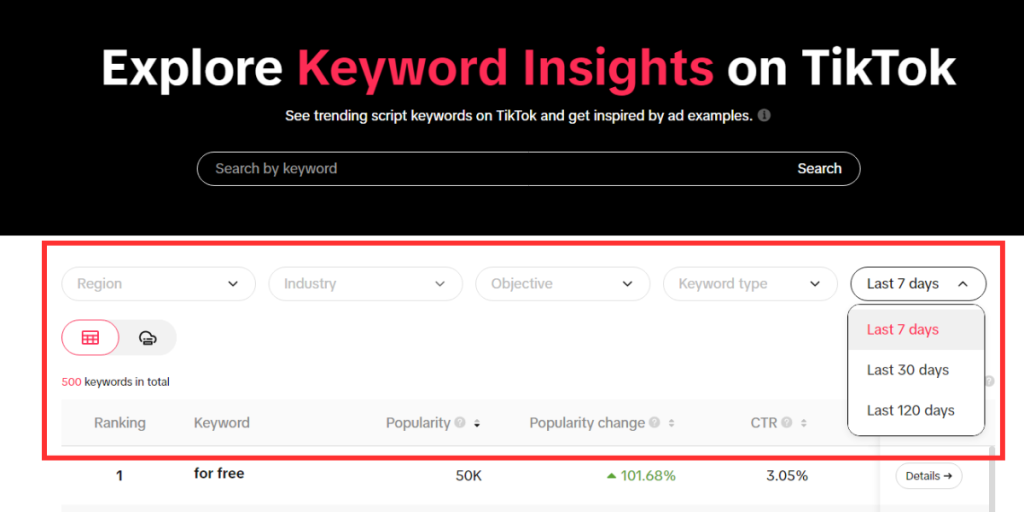
Fortunately, you don’t need a crystal ball. A handful of free or low‑cost tools can reveal what’s buzzing on TikTok right now.
- TikTok’s Discover Page: Scroll through the “Trending” and “For You” sections; note recurring tags and sounds.
- Keyword Generator Sites: Platforms like KeywordTool.io include a TikTok filter that pulls real‑user queries.
- Competitor Audit: Open a few top creators in your niche and copy their most used hashtags. Look for patterns rather than exact matches.
- Google Trends (TikTok Filter): Though designed for Google, the trend data often mirrors TikTok spikes, especially for broader topics.
Step‑by‑Step Process to Build Your Keyword List
Here’s a practical workflow you can replicate for any niche.
- Define Your Core Theme: Write down the main subject of your video—e.g., “quick summer hairstyles.”
- Gather Seed Keywords: Use the tools above to collect 10–15 initial terms related to that theme.
- Expand with Variations: Add synonyms, long‑tail phrases, and related challenges—like “#summerhair2024” or “#easybeachwaves.”
- Check Search Volume: On a keyword generator, see which terms have decent search counts but aren’t oversaturated.
- Finalize a Mix: Choose 3–5 primary tags, 2–3 sound titles, and a concise caption that incorporates a couple of those keywords naturally.
Putting Keywords to Work in Your Content
Now that you have a list, the real magic happens when you weave them into the video itself.
- Caption Placement: Lead with the most important keyword, then sprinkle supporting tags at the end.
- On‑Screen Text: Flash the primary phrase for 2–3 seconds; it reinforces relevance for both viewers and the algorithm.
- Sound Choice: If a trending audio aligns with your topic, pair it. Otherwise, consider uploading a custom sound with a keyword‑rich title.
Common Mistakes to Avoid
Even seasoned creators slip up. Here are pitfalls that can sabotage your efforts.
- Keyword stuffing: Overloading a caption with ten unrelated tags looks spammy and can limit reach.
- Relying solely on viral tags: Riding on #fyp alone rarely brings lasting followers.
- Ignoring relevance: A high‑volume tag that doesn’t match your content will attract the wrong audience, leading to low engagement.
Measuring Success and Tweaking Your Strategy
After publishing, keep an eye on the performance metrics that matter:
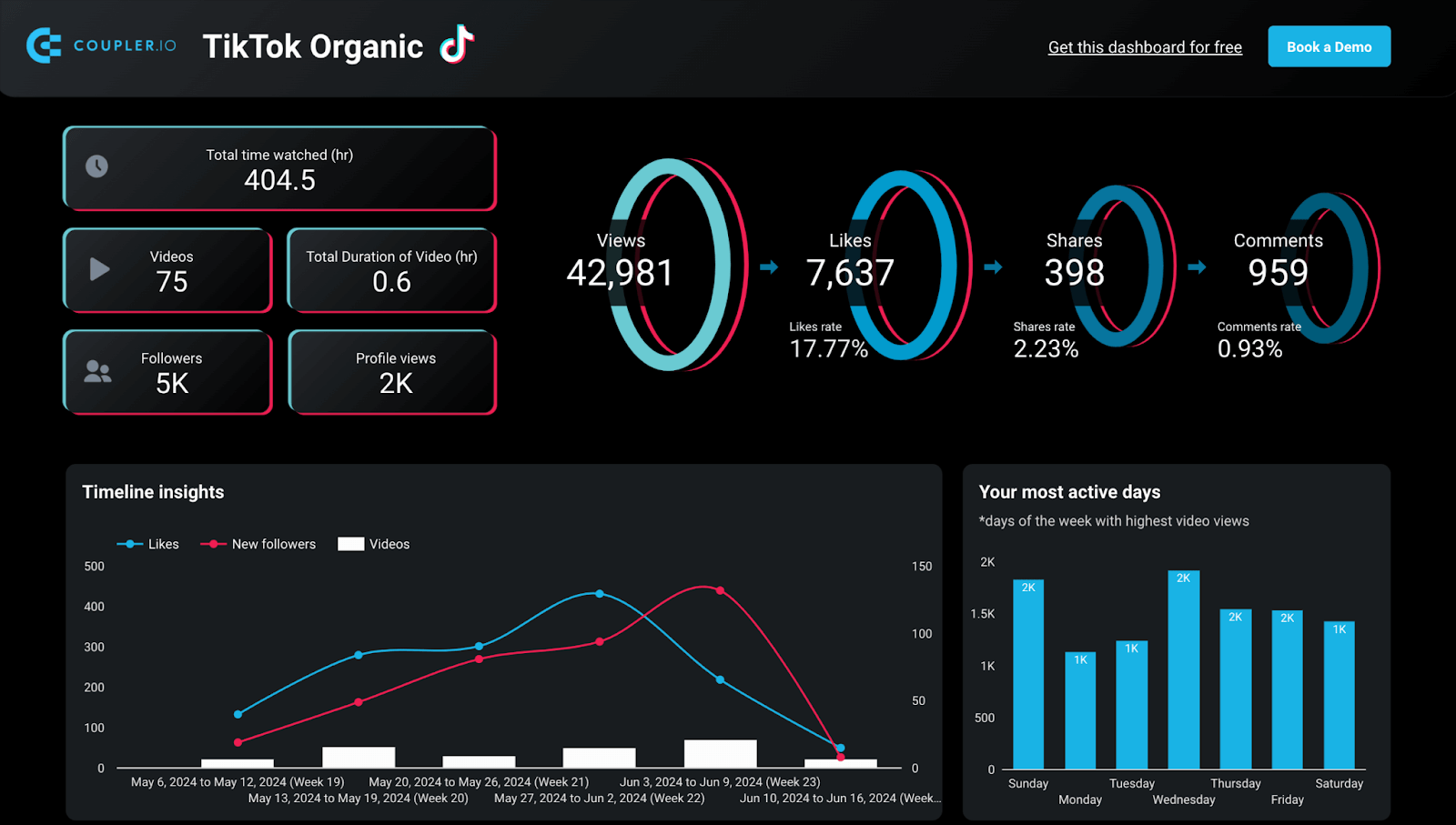
- View‑through rate (VTR): A higher VTR suggests the keyword attracted genuinely interested viewers.
- Comments and shares: Engagement spikes often correlate with well‑targeted keywords.
- Follower growth: Track if new followers align with the niche you aimed for.
If a particular tag consistently underperforms, replace it with a fresh alternative from your research list. The TikTok landscape shifts quickly, so a monthly audit is a good habit.
Quick Reference Checklist
- Identify core theme.
- Gather seed keywords via Discover, tools, and competitor analysis.
- Expand with synonyms and long‑tail phrases.
- Select a balanced mix of hashtags, sound titles, and caption text.
- Integrate keywords naturally into video, caption, and on‑screen text.
- Monitor VTR, engagement, and follower trends.
- Refresh keywords every 4–6 weeks.
Mastering TikTok keyword research isn’t a one‑time task; it’s a cycle of discovery, application, and refinement. By treating keywords as the bridge between your creative ideas and the audience’s search behavior, you set the stage for content that not only entertains but also finds its way to the right eyes.