How to Maximize Performance with Red Line SI‑1 Fuel System Cleaner
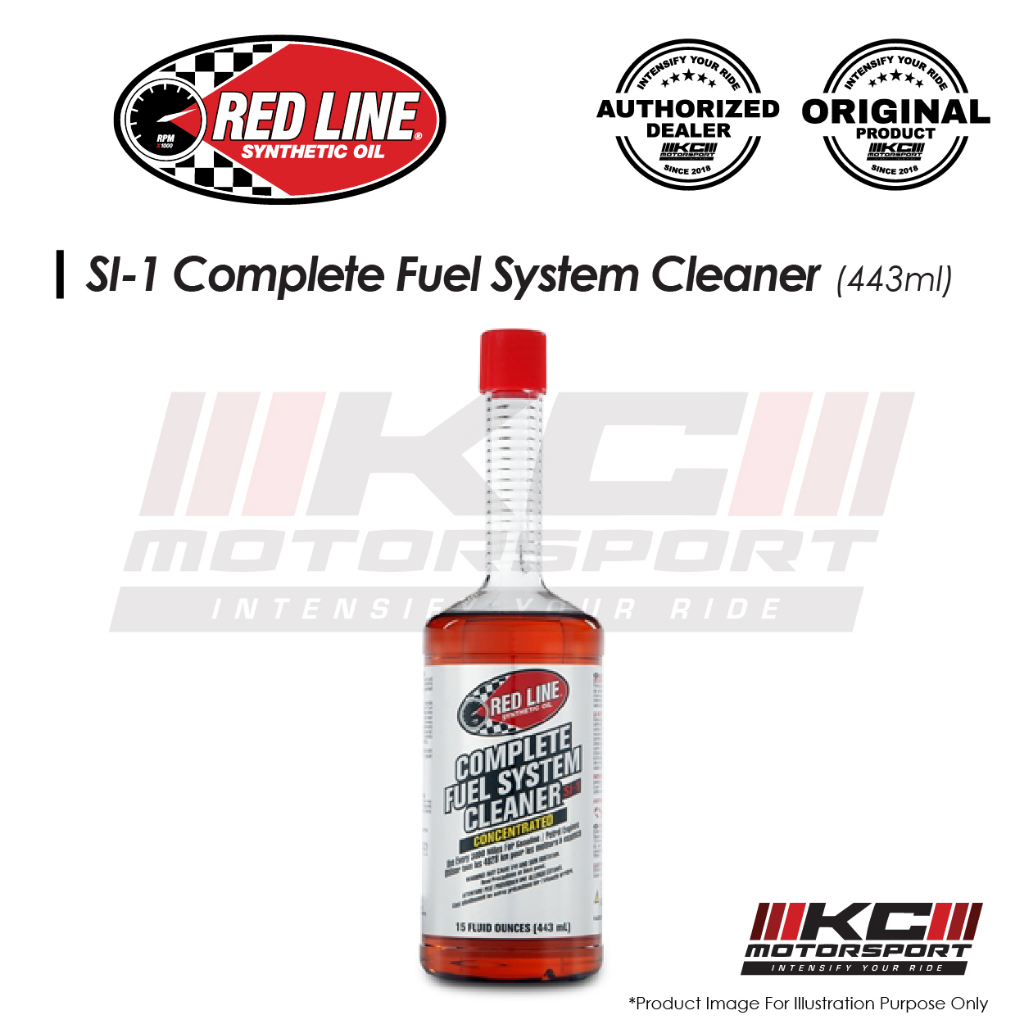
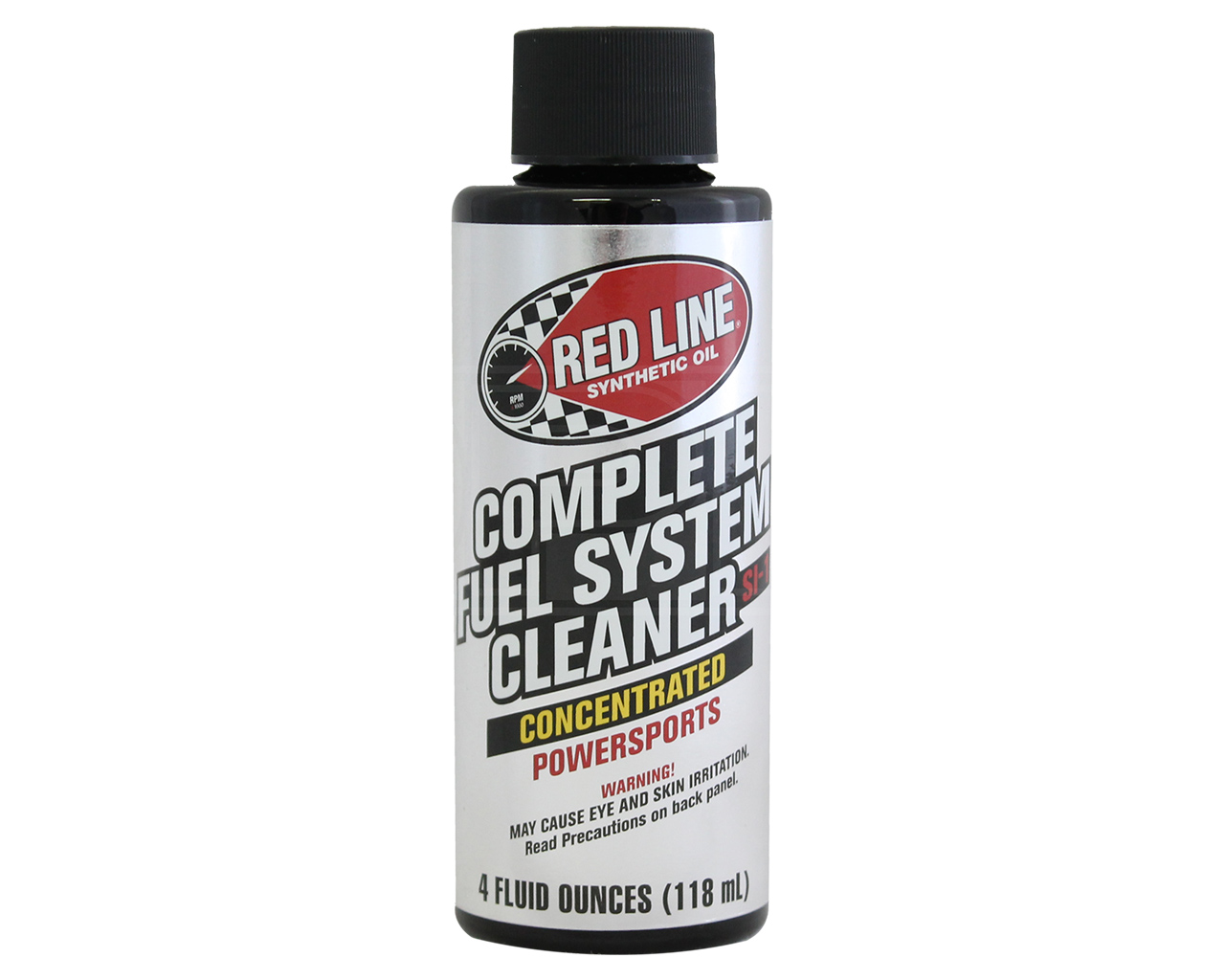
When the engine starts to cough or the accelerator feels sluggish, many drivers instinctively reach for a fuel additive. Among the crowded shelf of options, Red Line SI‑1 stands out—not because it promises miracles, but because it tackles the problem where it begins: the fuel system itself. Below is a practical, no‑nonsense look at what the cleaner does, how it works, and the steps you can take to get the most out of a bottle.
What Makes SI‑1 Different?
Most “fuel system cleaners” are essentially detergents diluted in gasoline. SI‑1, however, blends high‑temperature solvents with a targeted blend of polymers that dissolve carbon deposits without damaging seals or o‑rings. The formula is engineered to stay active at the pressures and temperatures found in modern fuel injectors, which means it can reach the nooks most conventional cleaners miss.
Key Benefits
- Improved throttle response – Less buildup translates to quicker engine reaction.
- Better fuel economy – A cleaner spray pattern restores the designed air‑fuel ratio.
- Reduced emissions – Fewer unburned hydrocarbons exit the tailpipe.
- Extended injector life – Minimizing abrasive carbon helps keep injectors operating smoothly.
When Should You Use It?
The answer isn’t a one‑size‑fits‑all. Here are a few scenarios where SI‑1 shines:
- After a long period of storage (think a winter‑ridden boat or an idle vacation car).
- When fuel mileage drops suddenly without a clear cause.
- Following the use of lower‑quality gasoline, which can leave more residue.
- As part of a preventive maintenance schedule—typically every 3,000 to 5,000 miles.
If you’re already confident in the quality of the fuel you buy, you might still benefit from an occasional dose. Think of it as a “spring cleaning” for the engine.
Step‑by‑Step: Applying Red Line SI‑1
Getting the product to work is almost as straightforward as pouring it into the tank, but a few extra touches can make a noticeable difference.
- Read the label. The manufacturer recommends a full‑tank treatment for most vehicles; a half‑tank dose works for smaller engines.
- Fill the tank to about a quarter full. This creates room for the additive and ensures it mixes well with the gasoline.
- Pour the measured amount of SI‑1. Use the provided measuring cap to avoid over‑ or under‑dosing.
- Top off with fuel. Add enough gasoline to bring the tank to at least half full, then drive.
- Drive normally for at least 30 minutes. This gives the cleaner time to circulate through the pump, lines, and injectors.
It’s tempting to “rush” the process by filling the tank completely right away, but giving the additive a chance to work through the system while the engine is under load yields the best results.
What to Expect After Treatment
Most users report a subtle “snappier” feel within the first few drives. You might notice:
- A smoother idle after the engine warms up.
- Less hesitation when you press the gas pedal.
- A slight uptick in mpg—often 1–3%.
These changes aren’t dramatic, and they won’t convert a neglected, rust‑ridden engine into a race‑car. Instead, think of SI‑1 as a gentle polish that restores the factory‑rated performance envelope.
Potential Pitfalls and How to Avoid Them
Even the best product can fall short if misused. Keep an eye on these common missteps:
- Over‑dosing. Too much cleaner can thin the fuel mixture, leading to rough idling.
- Using on a seriously clogged system. If the injectors are heavily carbon‑laden, a single treatment may not suffice; professional cleaning could be necessary.
- Neglecting regular maintenance. Additives complement, not replace, oil changes, air‑filter swaps, and spark‑plug checks.
If you suspect a deeper issue—persistent misfires, warning lights, or a noticeable loss of power—consider a diagnostic rather than relying solely on SI‑1.
Comparing SI‑1 to Other Additives
In a market crowded with “miracle” cleaners, SI‑1 holds its own for a few reasons:
- Temperature stability. Many cleaners vaporize before reaching the injectors; SI‑1’s solvents stay liquid longer.
- Seal‑friendly formulation. Some additives contain harsh chemicals that can swell rubber components; Red Line’s blend is specifically tested for compatibility.
- Transparent labeling. The product lists exact concentrations, which is rare among cheaper brands.
That said, if you’re looking for a budget‑friendly option and your vehicle is relatively new, a basic detergent additive might be sufficient. SI‑1 pays off most when dealing with older engines or inconsistent fuel quality.
Final Thoughts Before You Buy
Red Line SI‑1 isn’t a magic potion, but it’s a well‑engineered tool that can help you reclaim a bit of lost performance without a trip to the shop. The key is to use it wisely—follow the dosage instructions, integrate it into a broader maintenance plan, and keep realistic expectations. If you do, the next time you tap the accelerator you’ll notice a modest, satisfying boost that reminds you why you love the drive in the first place.