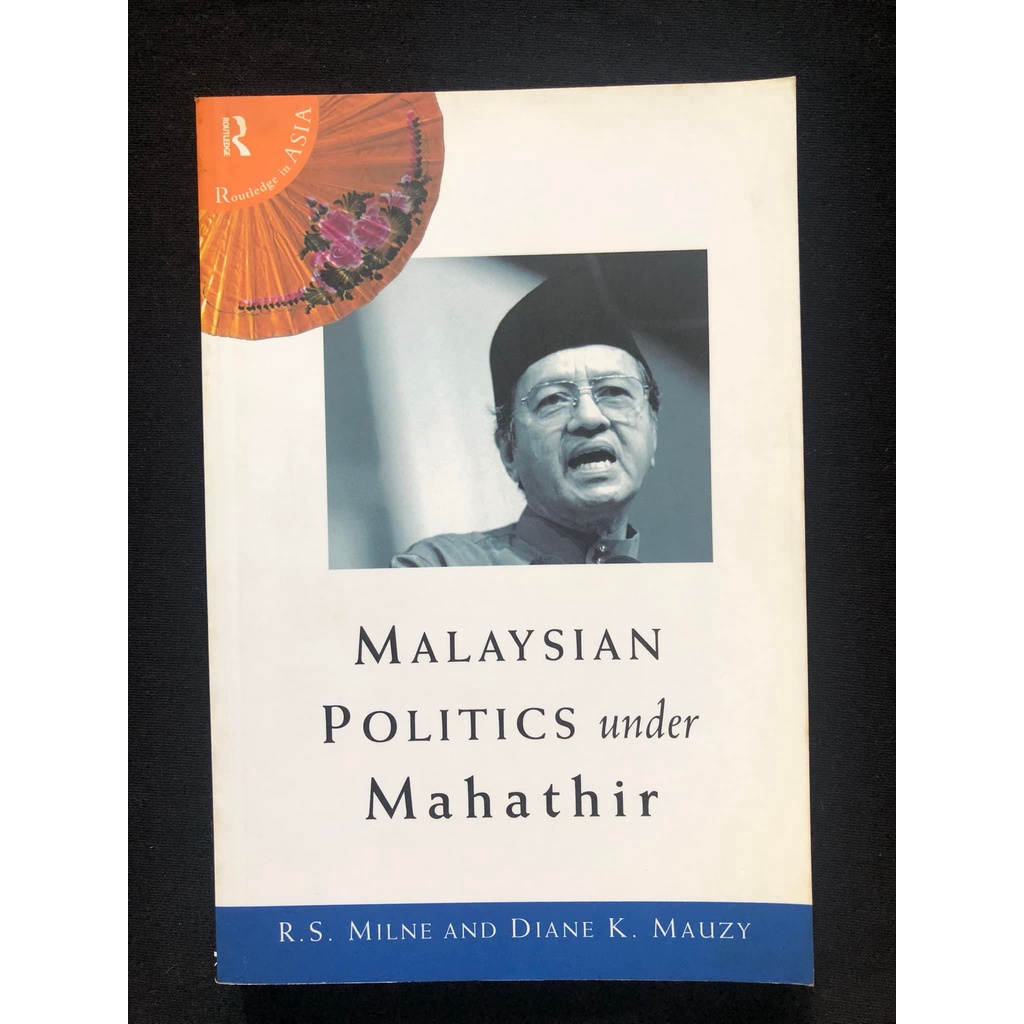
How to Navigate Malaysian Politics: A Beginner’s Guide
Why Malaysian Politics Feels Like a Maze
At first glance, the political landscape of Malaysia can look tangled—multiple parties, shifting coalitions, and a federal system that mixes ethnic representation with regional interests. Yet beneath the complexity lies a pattern that makes sense once you spot the key players and understand the constitutional framework.
Most newcomers stumble over the names: UMNO, PKR, DAP, PAS, BERSATU. Remembering which party leans left or right isn’t as crucial as grasping the alliances they form. Coalitions such as Barisan Nasional (BN) and Pakatan Harapan (PH) act like big umbrellas, each housing several smaller groups that share a common agenda—sometimes temporarily.
The Constitutional Backbone
Malaysia operates under a constitutional monarchy. The Yang di‑Pertuan Agong serves as ceremonial head of state, while real executive power rests with the Prime Minister and the Cabinet.
- Parliament consists of the Dewan Rakyat (House of Representatives) and the Dewan Negara (Senate). The former is elected, the latter appointed.
- Federal versus state responsibilities are split, with states like Sarawak and Sabah enjoying greater autonomy over resources.
This split explains why a party can dominate at the federal level yet lose ground in a particular state.
Key Parties and Their Core Ideologies
Getting a feel for the political colors helps decode headlines.
- United Malays National Organisation (UMNO) – traditionally the backbone of BN, championing Malay privilege and economic development.
- People’s Justice Party (PKR) – a reformist outfit focusing on multiracial justice and institutional transparency.
- Democratic Action Party (DAP) – left‑leaning, strong on civil liberties and often associated with the Chinese community.
- Pan-Malaysian Islamic Party (PAS) – advocates for an Islamic legal framework, drawing support from rural Malay voters.
- Malaysian United Indigenous Party (BERSATU) – newer, positioned as a Malay-centric alternative to UMNO, but willing to join broader coalitions.
How Coalitions Shape Governance
Since the 1990s, no single party has consistently won an outright majority. The result? coalition politics. Two major formations dominate today:
Barisan Nasional (BN)
Historically the ruling bloc, BN still commands a sturdy network of patronage and development projects, especially in rural constituencies.
Pakatan Harapan (PH)
Born out of a reform wave in 2015, PH sought to unseat BN and briefly succeeded in 2018. Its platform blends anti‑corruption pledges with socioeconomic reforms.
Notice how parties can switch sides: BERSATU left BN for PH in 2018, then re‑aligned with a new coalition, Perikatan Nasional, in 2020. These moves often reflect strategic calculations rather than pure ideology.
Election Mechanics 101
Elections follow the first‑past‑the‑post system: the candidate with the most votes in a constituency wins a seat in the Dewan Rakyat. Malaysia’s 13 states are divided into 222 parliamentary seats, each roughly representing a geographic district.
Voter turnout tends to hover around 75 %, spurred by compulsory registration and a vibrant, albeit sometimes heated, campaigning season. Campaigns feature rallies, televised debates, and a growing presence on social media—especially among younger voters.
Regional Nuances You Can’t Ignore
Peninsular Malaysia and East Malaysia (Sabah, Sarawak) often vote on different issues. In East Malaysia, resource management and indigenous rights dominate the discourse, while in the peninsula, ethnic quotas and religious policies take center stage.
For instance, a candidate in Sarawak might win by emphasizing timber royalties, whereas a Penang contender could focus on urban development and education.
Picking Up the Pulse: Media and Public Sentiment
Traditional newspapers like The Star and Berita Harian still shape narratives, but online portals such as Malaysiakini and independent blogs increasingly influence opinion. Social platforms amplify grassroots movements; the #Bersih protests that demanded electoral reform are a prime example.
Be wary of echo chambers. Cross‑checking stories across multiple sources helps avoid misinformation—a real risk in a politically charged environment.
Practical Steps for the Curious Observer
- Start with the Election Commission’s website to see the latest constituency maps and candidate lists.
- Follow a handful of reputable news outlets for daily updates; diversify language sources if possible.
- Join local discussion groups or forums—many are hosted on Facebook or Telegram, offering real‑time insight.
- Attend a public rally or town‑hall meeting; seeing politicians interact with voters adds a human dimension.
- Track parliamentary debates via the official Parliament portal. Even a brief glance at a session can reveal the issues dominating policy.
Where to Dive Deeper
Books like “The Making of Modern Malaysia” provide historical context, while academic journals dissect the constitutional intricacies. For a more visual approach, YouTube channels that break down recent elections can be surprisingly thorough.
Remember, Malaysian politics is a living system—its rules evolve, new parties emerge, and public sentiment shifts with each election cycle. Approaching it with curiosity and a willingness to question will keep you ahead of the curve.