How to Navigate PSE Technology Transfer: A Step‑by‑Step Guide
Technology transfer within the Power Systems Engineering (PSE) sphere can feel like crossing a maze—there are standards, contracts, and a slew of technical details that must line up. Yet, when done right, it turns research breakthroughs into market‑ready solutions, fuels innovation pipelines, and bolsters an organization’s competitive edge. Below is a practical walk‑through that demystifies the process, from the first spark of an idea to the final hand‑off.
Understanding the Basics of PSE Technology Transfer
At its core, technology transfer is the systematic movement of knowledge, designs, or prototypes from a research environment to a commercial or operational setting. In PSE, this often involves:
- Advanced power electronics
- Smart grid communication protocols
- Renewable integration algorithms
Stakeholders typically include university labs, corporate R&D units, government agencies, and independent innovators. Each brings a different set of expectations—academic partners look for publication credit, while industry players prioritize speed-to‑market and ROI.
Key Drivers Behind Successful Transfers
Successful transfers share three common threads: clear IP (intellectual property) ownership, realistic timelines, and a well‑defined commercialization pathway. Neglect one, and the whole venture can stall.
Step 1 – Identify Transfer‑Ready Innovations
Not every prototype is ready for the real world. Conduct a quick “readiness audit” using these criteria:
- Technical maturity: Has the solution passed laboratory validation?
- Market relevance: Does a clear need exist in the power sector?
- Regulatory fit: Are there standards it must comply with?
If the answer leans toward “yes” on most points, you’re likely looking at a candidate worth pursuing.
Step 2 – Secure Intellectual Property
IP protection is the safety net that lets creators monetize their work. In PSE, typical IP assets include:
- Patents on novel inverter topologies
- Trade secrets for optimization algorithms
- Copyrighted simulation models
Engage your institution’s technology transfer office (TTO) early. They can perform a prior‑art search, draft patent claims, and advise on licensing structures. Remember, overly broad patents can become impossible to enforce, while too narrow claims may leave room for competitors to work around them.
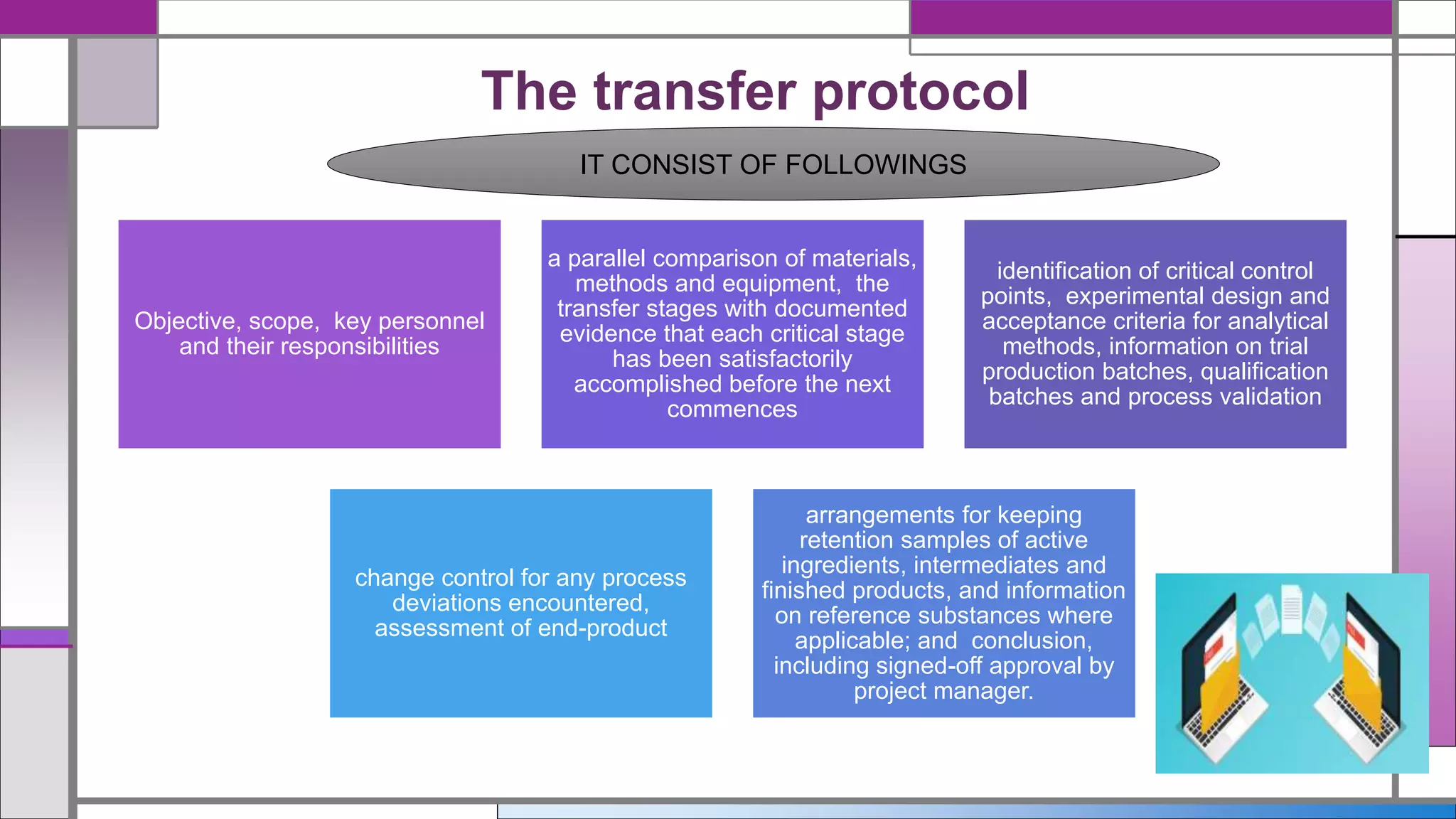
Step 3 – Draft a Transfer Agreement
A solid agreement spells out who does what, when, and for how much. Essential elements include:
- Scope of technology: Define deliverables, versions, and any exclusions.
- Licensing terms: Exclusive vs. non‑exclusive, royalty rates, and milestones.
- Confidentiality: NDAs to protect trade secrets during the hand‑off.
- Performance obligations: Development timelines, testing responsibilities, and acceptance criteria.
Legal counsel familiar with energy‑sector contracts can help avoid hidden pitfalls, especially around liability for system failures after deployment.
Step 4 – Develop a Commercialization Roadmap
Think of the roadmap as a storyboard for turning theory into product. Break it into phases:
Prototype Refinement
Iterate the design based on real‑world constraints—thermal limits, grid codes, or field‑test feedback. Engage pilot customers early; their input often reveals practical tweaks that lab tests miss.
Scale‑Up Planning
Transition from benchtop to production‑grade hardware. This step usually involves:
- Design for manufacturability (DFM) reviews
- Supply‑chain qualification of critical components
- Cost‑of‑ownership analysis
Market Entry
Finalize go‑to‑market strategies: pricing models, certification pathways (e.g., IEC standards), and sales channel selection. For many PSE solutions, partnering with established system integrators accelerates adoption.
Step 5 – Execute Validation & Certification
Power‑system products must meet stringent standards—think IEC 61850 for communication, UL for safety, or local grid interconnection codes. Validation typically follows a three‑tiered approach:
- Lab testing: Verify performance under controlled conditions.
- Field trials: Deploy in a live environment, monitor reliability.
- Third‑party certification: Obtain official approvals needed for commercial rollout.
Skipping any tier can expose you to compliance issues later, which are costly to remediate.
Step 6 – Transfer Knowledge and Support
Even the best‑documented technology can stumble without proper knowledge handover. Conduct workshops, create detailed user manuals, and set up a support line for the receiving team. A “train‑the‑trainer” model often works well: a small group of experts becomes the go‑to resource for the broader organization.
Common Pitfalls and How to Avoid Them
While the steps above provide a roadmap, real‑world projects still encounter snags. Here are a few you might run into:
- Misaligned expectations: Clarify deliverables up front; avoid vague “technology will be ready in six months” statements.
- Underestimated costs: Include hidden expenses such as regulatory testing, tooling, and post‑sale support.
- IP disputes: Keep meticulous records of invention dates, contributions, and prior disclosures.
- Supply chain shocks: Identify alternate vendors for critical parts early on.
Proactive risk assessments at the start of each phase can catch many of these issues before they snowball.
Final Thoughts on Making PSE Technology Transfer Work for You
Technology transfer isn’t a one‑size‑fits‑all process; it morphs with the nature of the innovation and the ecosystem surrounding it. By treating each step as a collaborative experiment—complete with checks, balances, and clear communication—you increase the odds that a breakthrough in power systems engineering will see the light of day, benefit the grid, and ultimately generate value for all parties involved.