How to Organise Your Space Using Creative Bits of Boxes
Ever opened a delivery and found a kaleidoscope of cardboard snippets, plastic segments and tiny wooden crates? Most of us toss those leftovers into a random drawer, assuming they’ll never be useful again. In truth, those bits of boxes can become the unsung heroes of a tidy home, a crafty workshop, or even a thoughtful gift‑giving routine.
What Exactly Are “Bits of Boxes”?
Think of them as the leftover parts of any packaging you’ve ever unwrapped: a fold‑over flap from a shirt box, a corrugated strip from a moving crate, the plastic lid of a shoe box, or the little cardboard insert that holds a CD case in place. They’re usually overlooked because they’re small, irregular, and not meant to stand on their own. Yet each fragment carries a little bit of structural strength, shape, or texture that can be repurposed.
Why They Matter in Everyday Organisation
When you start treating these fragments as resources rather than waste, two things happen. First, you reduce the amount of rubbish headed for the landfill – a simple win for the planet. Second, you gain a suite of inexpensive, adaptable tools that can fill gaps in your storage system that standard containers simply can’t reach.
- Fit for tight spaces: A cut‑out from a box can become a divider for a crowded drawer.
- Custom cushioning: Corrugated strips soften delicate items in a box without buying foam.
- Label‑ready surfaces: Flat cardboard bits are perfect for hand‑written tags.
Creative Ways to Use Bits of Boxes
DIY Storage Solutions
Start with the basics. Grab a handful of sturdy cardboard pieces and, using a simple ruler and a craft knife, cut them into uniform squares. Stack a few together, slip a rubber band around the middle, and you’ve made a miniature file holder for receipts, recipes, or loose notes. For a more permanent approach, glue together longer strips to create a custom drawer organizer that keeps pens, cables, and makeup brushes upright.
Gift‑Wrapping Hacks
When a present calls for a little extra flair, repurpose a shiny plastic lid from a shoe box as a miniature tray to hold chocolates or a tiny jewelry piece. You can also line a plain gift bag with a patterned cardboard fragment, giving it a handmade look without the cost of a specialty paper. The result feels thoughtful because you’ve added a personal, hand‑crafted touch.
Upcycling Projects for Kids
Kids love turning trash into treasure. Offer them a stash of assorted bits – a mix of corrugated tubes, small cardboard panels, and plastic edges – and let their imagination run wild. From building a miniature cardboard city to crafting a DIY puzzle board, these projects keep little hands busy and teach the value of reusing materials.
Office‑Friendly Tweaks
That stray cardboard flap from a parcel? Fold it into a phone stand. Place it on your desk, slip your smartphone in the groove, and you’ve created a simple, stable holder for video calls. Similarly, a plastic box lid can become a quick clipboard when you tape a piece of cardstock onto it.
Tips for Getting the Most Out of Your Bits of Boxes
- Sort as you unpack. Keep a small recycling bin nearby and immediately separate useful fragments from pure waste.
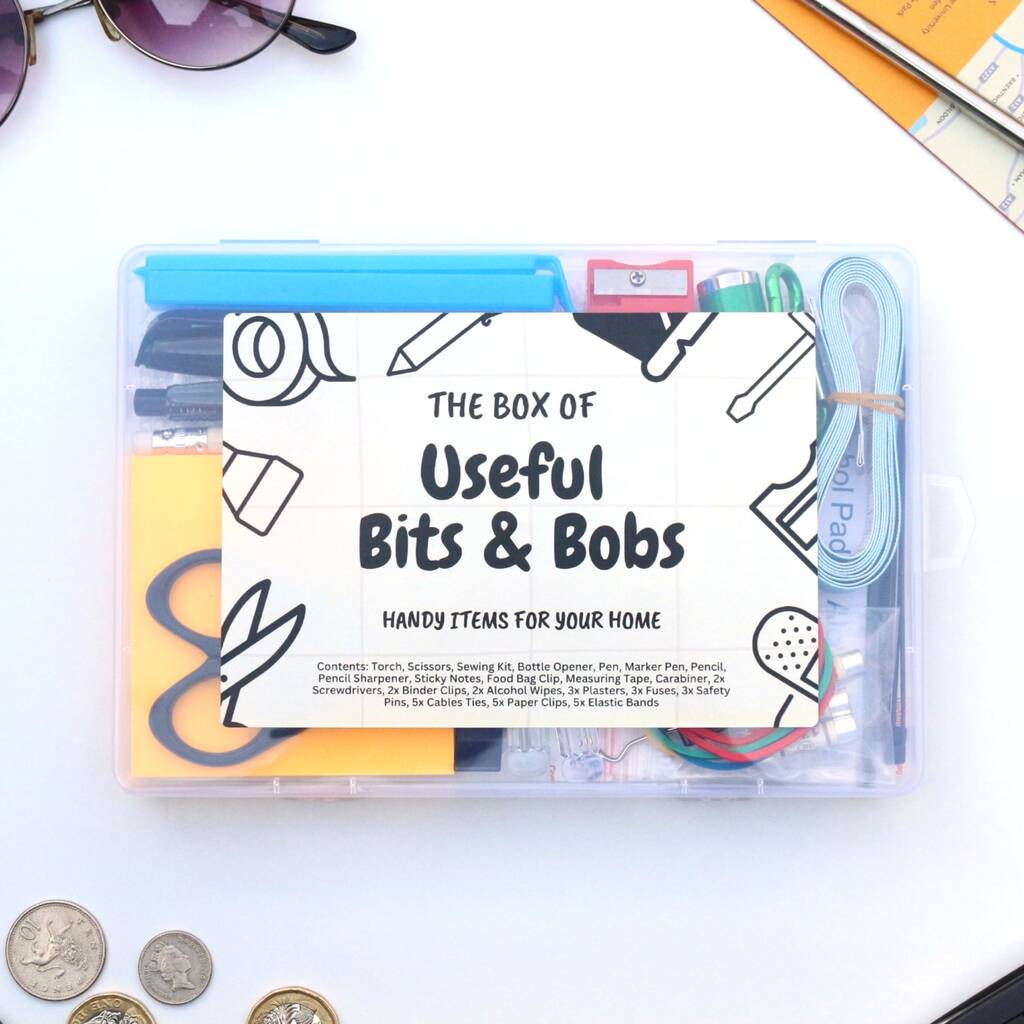
- Store them smartly. A clear plastic container with sections lets you see what you have at a glance, making it easier to match a piece to a project.
- Label the stash. Use a simple tag system – “Cardboard”, “Plastic”, “Wooden” – so you won’t waste time hunting for the right material later.
- Measure before cutting. A quick ruler check can prevent a mis‑cut that renders a promising piece useless.
- Combine materials. Pair a cardboard divider with a thin foam pad for extra protection, or use a plastic lid as a base for a cardboard sleeve.
Remember, the goal isn’t to become a full‑time carpenter overnight. Even a single well‑placed cardboard divider can transform a chaotic drawer into a tidy sanctuary. The same goes for a humble plastic lid that saves a birthday gift from looking bland.
Next time you toss the remnants of a delivery into the trash, take a moment to consider their hidden potential. With a bit of imagination and a few simple cuts, those bits of boxes can become the building blocks of a more organised, creative, and sustainable everyday life.