How to Pick the Right Chemical Plant Equipment
Choosing equipment for a chemical plant isn’t just a checklist exercise; it’s a balancing act between safety, efficiency, cost, and future scalability. Whether you’re upgrading an aging facility or designing a brand‑new line, the right hardware can make the difference between smooth operations and costly downtime.
Understanding the Core Functions
Before you dive into catalogs, clarify what each piece of machinery actually does. In most plants you’ll encounter three overarching roles:
- Reaction control: Vessels where raw materials become the desired product.
- Heat management: Exchangers and cooling towers that keep temperatures in the sweet spot.
- Material handling: Pumps, compressors, and conveyors that move fluids and gases through the process.
Recognizing where your bottlenecks lie—whether it’s a sluggish stirrer or an undersized pump—helps you prioritize the equipment that will deliver the biggest performance jump.
Major Equipment Categories
Reactors and Vessels
Reactors come in many flavors: batch, continuous, tubular, and stirred‑tank. The choice hinges on reaction kinetics, residence time, and the need for precise temperature control. Look for materials of construction that resist corrosion from your specific chemicals—stainless steel 316L for mild environments, Hastelloy for aggressive acids, or lined carbon steel for cost‑sensitive applications.
Heat Exchangers
Shell‑and‑tube, plate‑type, and air‑cooled exchangers dominate the market. Plate exchangers offer compact size and easy cleaning, but they can be vulnerable to fouling when dealing with particulate‑laden streams. Shell‑and‑tube designs handle higher pressures and are more forgiving when you need to service them in the field.
Pumps and Compressors
Centifugal pumps dominate liquid transfer, while positive displacement pumps excel with viscous or shear‑sensitive fluids. For gases, reciprocating or screw compressors are common. Pay attention to net positive suction head (NPSH) requirements; an undersized pump can cavitate and cause premature failure.
Control and Safety Systems
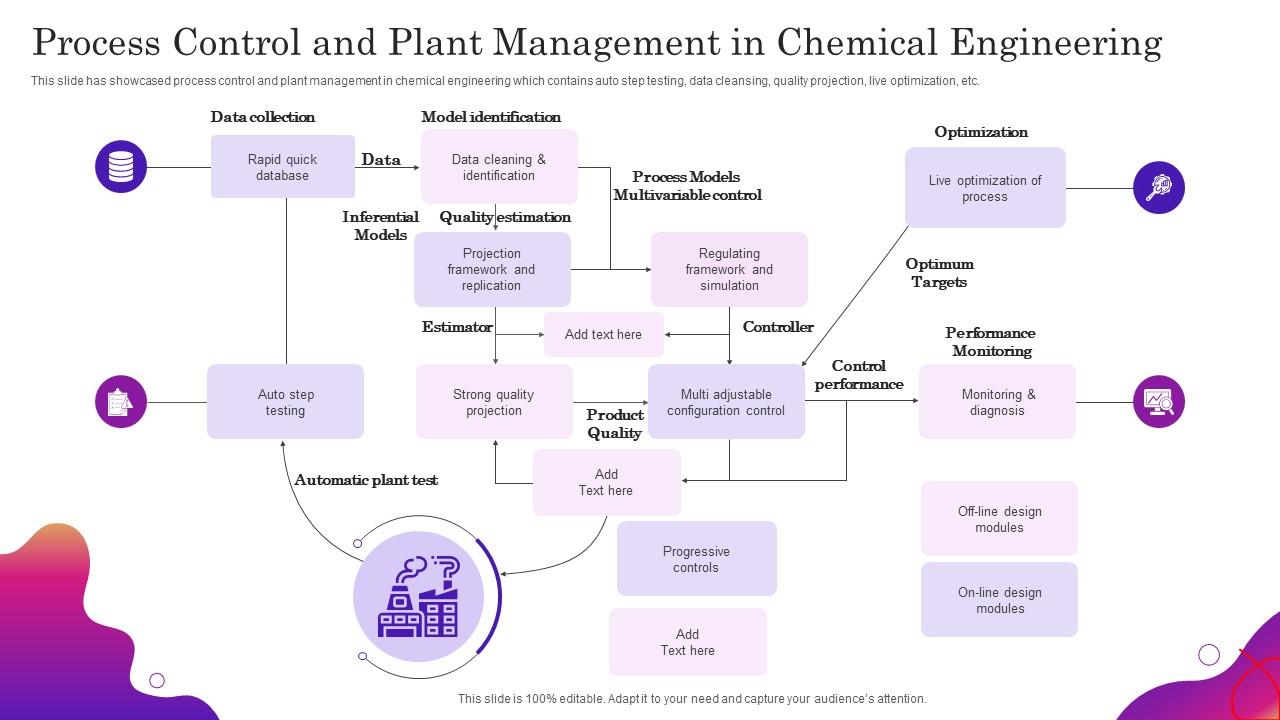
Distributed Control Systems (DCS) or PLC‑based setups handle real‑time monitoring, alarms, and interlocks. Modern units integrate predictive analytics—think vibration analysis or temperature trend forecasting—so you can catch problems before they cascade.
Key Selection Criteria
- Process compatibility: Verify temperature, pressure, and material limits match your operating envelope.
- Energy efficiency: Look for high‑efficiency motors, variable‑frequency drives, and waste‑heat recovery options.
- Footprint and modularity: In tight plants, a compact, skid‑mounted unit can save weeks of civil work.
- Lifecycle cost: Initial price is only part of the story; consider maintenance, spare parts availability, and expected overhaul intervals.
- Regulatory compliance: Ensure the equipment meets local safety standards (e.g., ASME, PED, IEC).
Sometimes a seemingly perfect spec sheet hides hidden costs—custom fittings, special certifications, or long lead times. A quick conversation with the vendor’s service team can reveal those surprises early.
Maintenance Best Practices
Even the best‑designed equipment will degrade without proper care. Here are a few practical habits that keep plants humming:
- Implement a predictive maintenance program that leverages sensor data for vibration, temperature, and flow.
- Schedule regular cleaning cycles, especially for heat exchangers prone to fouling.
- Keep a stocked inventory of critical spares—bearing kits, seals, and gasket sets often have long procurement times.
- Document every shutdown, even routine ones; trends over months can flag emerging issues.
And remember: a small, well‑executed maintenance window is far cheaper than an unplanned outage that scrambles the entire production schedule.
Emerging Trends to Keep an Eye On
The chemical processing landscape is shifting. Some developments that may influence your next equipment purchase include:
- Digital twins: Virtual replicas of plant sections let engineers test equipment changes without halting production.
- Energy‑saving drives: High‑efficiency variable‑frequency drives now come standard on many pumps, cutting electricity use by up to 30%.
- Modular construction: Prefabricated reactor modules can be bolted together on site, slashing construction time.
- Advanced alloys: New nickel‑based superalloys push corrosion resistance further, extending vessel life in harsh environments.
While none of these trends are mandatory today, they’re worth considering when you plan long‑term expansions or upgrades.
Putting It All Together
When you sit down with your engineering, procurement, and safety teams, use the checklist below to keep the conversation focused:
- Define the exact process parameters (temperature, pressure, fluid properties).
- Prioritize equipment based on bottleneck impact.
- Match material of construction to chemical aggressiveness.
- Assess total cost of ownership, not just purchase price.
- Verify vendor support and spare‑part availability.
By following these steps, you’ll move from a vague “we need new gear” to a clear, data‑backed decision that respects both budget constraints and operational reliability.