How to Reveal Virginia Police Blotter and Incident Report Secrets
Ever wondered what really goes on behind the polished pages of a police blotter? In Virginia, those daily logs and incident reports hold more than just timestamps—they’re a window into community safety, law‑enforcement priorities, and sometimes, surprising patterns that even locals miss. Below, we peel back the curtain and show you how to navigate the system, what to look for, and where the most useful nuggets tend to hide.
What Exactly Is a Police Blotter?
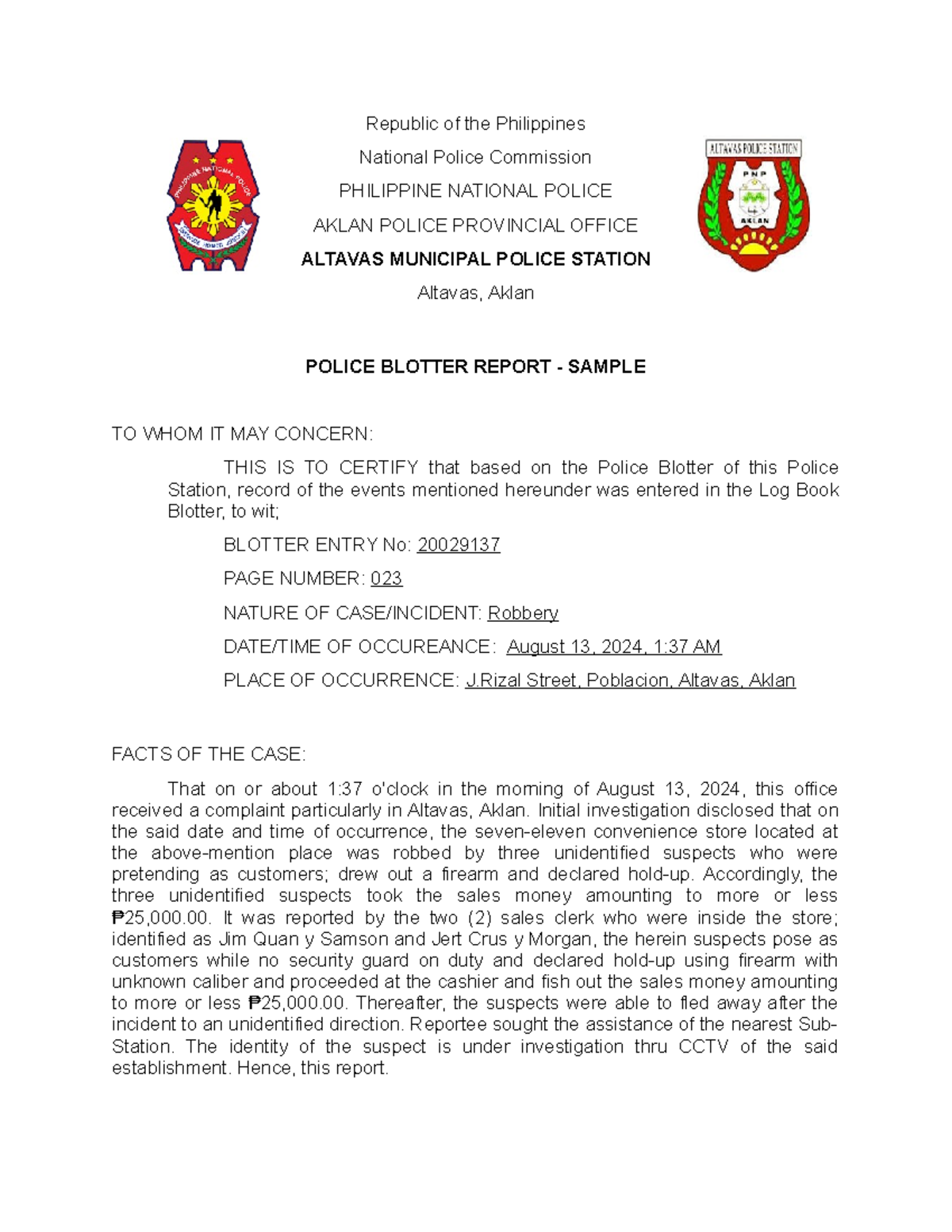
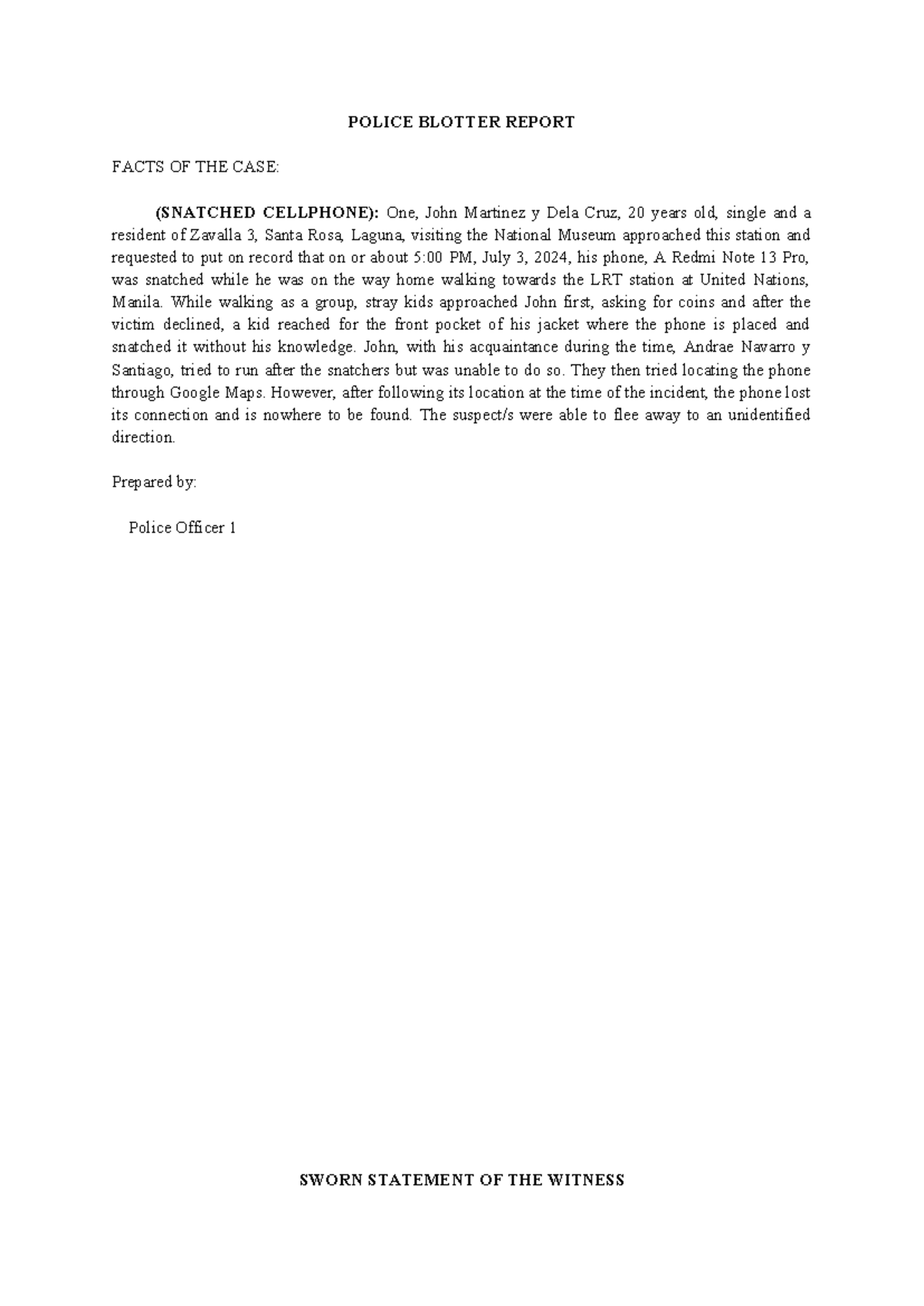
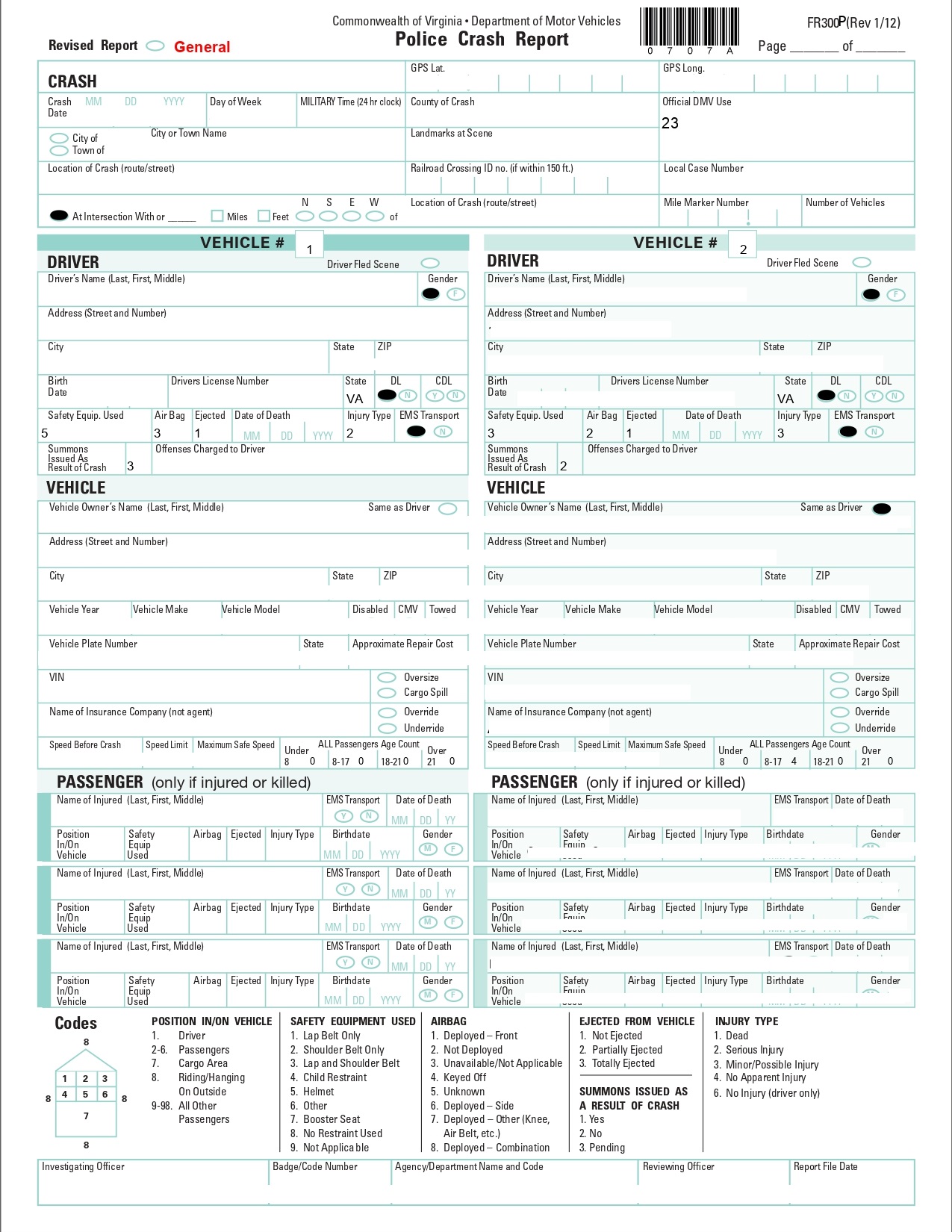
A police blotter is essentially a diary kept by a department, recording every call for service, arrest, traffic stop, and notable incident. In Virginia, each jurisdiction—whether a city, county, or town—maintains its own blotter, often posted online for public viewing. The records are chronological, but the depth of detail can vary widely.
Key Elements to Spot
- Time stamps – Note the hour and minute; spikes can reveal rush‑hour trends.
- Location tags – Cross‑reference with local maps to see hotspots.
- Incident type – From “disorderly conduct” to “vehicular collision,” the wording hints at how the department categorizes crimes.
- Disposition – Whether a case was dismissed, resulted in an arrest, or led to a citation.
Getting Your Hands on the Reports
Virginia follows the Freedom of Information Act (FOIA) at the state level, meaning most public records—including incident reports—are accessible if you know where to look. Here’s a quick roadmap:
- Visit the official website of the relevant police department. Larger cities like Richmond or Virginia Beach often have a dedicated “Crime Statistics” or “Blotter” tab.
- Use the state’s Open Records portal for agencies that don’t post online.
- Submit a written request for older files—Virginia law typically requires a response within five business days.
Tip: When filing a request, be specific about dates and incident numbers. Vague inquiries can lead to delays or partial releases.
Reading Between the Lines
Once you have the data, the real work begins. Most people skim for “bad news,” but patterns emerge only when you dig a little deeper.
Spotting Seasonal Trends
Violent crimes, for instance, often rise in the summer months. Conversely, traffic‑related incidents may peak during school dismissal hours. Plotting incidents on a simple spreadsheet can make these trends pop out instantly.
Understanding Coding Language
Police departments use shorthand—“BOLO” (be on the lookout), “UCR” (Uniform Crime Reporting), or “PC” (probable cause). If a report lists “PC established,” it means the officer had enough evidence to move forward. Getting familiar with these acronyms saves you time and prevents misinterpretation.
Why Some Records Remain Hidden
Not every entry makes it to the public blotter. Certain reports are exempt due to ongoing investigations, privacy concerns, or the presence of minors. Virginia’s FOIA outlines nine exemptions; the most common are:
- Active criminal investigations – To protect the integrity of the case.
- Personal privacy – Particularly in domestic disputes or medical‑related incidents.
- Law‑enforcement techniques – Information that could compromise tactics.
In practice, you might see a placeholder like “Details withheld” instead of a full description.
Practical Uses for the Community
Neighborhood watch groups love blotters. By mapping repeat locations, they can coordinate patrols or alert residents ahead of time. Real estate agents also reference crime trends to inform potential buyers, while local journalists often turn these logs into investigative pieces that spark policy changes.
DIY Safety Mapping
Here’s a simple method you can try:
- Download the last six months of blotter entries (CSV format is common).
- Import the data into a free tool like Google My Maps or QGIS.
- Color‑code pins by incident type—red for violent crimes, orange for traffic, blue for non‑violent offenses.
- Identify clusters and share the map with your HOA or local council.
Common Misconceptions to Dispel
Many assume a high number of calls equals a dangerous area. Not always. A busy downtown district may log dozens of minor “public disturbance” calls simply because of foot traffic. Conversely, a quiet suburb could have fewer logs but a higher proportion of serious offenses. Context matters.
Incident Reports vs. Arrest Records
An incident report documents what happened; an arrest record shows who was taken into custody. The two don’t always align—someone might be cited without arrest, or an arrest could stem from an incident logged elsewhere. Mixing them up leads to skewed conclusions.
Where to Find Expert Guidance
If you’re feeling overwhelmed, several resources can help:
- Virginia Association of Chiefs of Police (VACP) – Offers webinars on interpreting blotter data.
- Local university criminology departments – Often conduct public workshops on crime mapping.
- Community policing liaison officers – They’re the bridge between the force and citizens, happy to clarify ambiguous entries.
Reaching out to these contacts can provide not just answers, but also a sense of how your neighborhood fits into the broader safety picture.
Final Thought
Virginia’s police blotters and incident reports are more than bureaucratic paperwork; they’re a living record of community dynamics. By learning the shortcuts, reading the fine print, and applying a bit of analytical curiosity, you can turn raw data into actionable insight—whether that means advocating for safer streets, informing a property purchase, or simply staying a step ahead of the next local news headline.