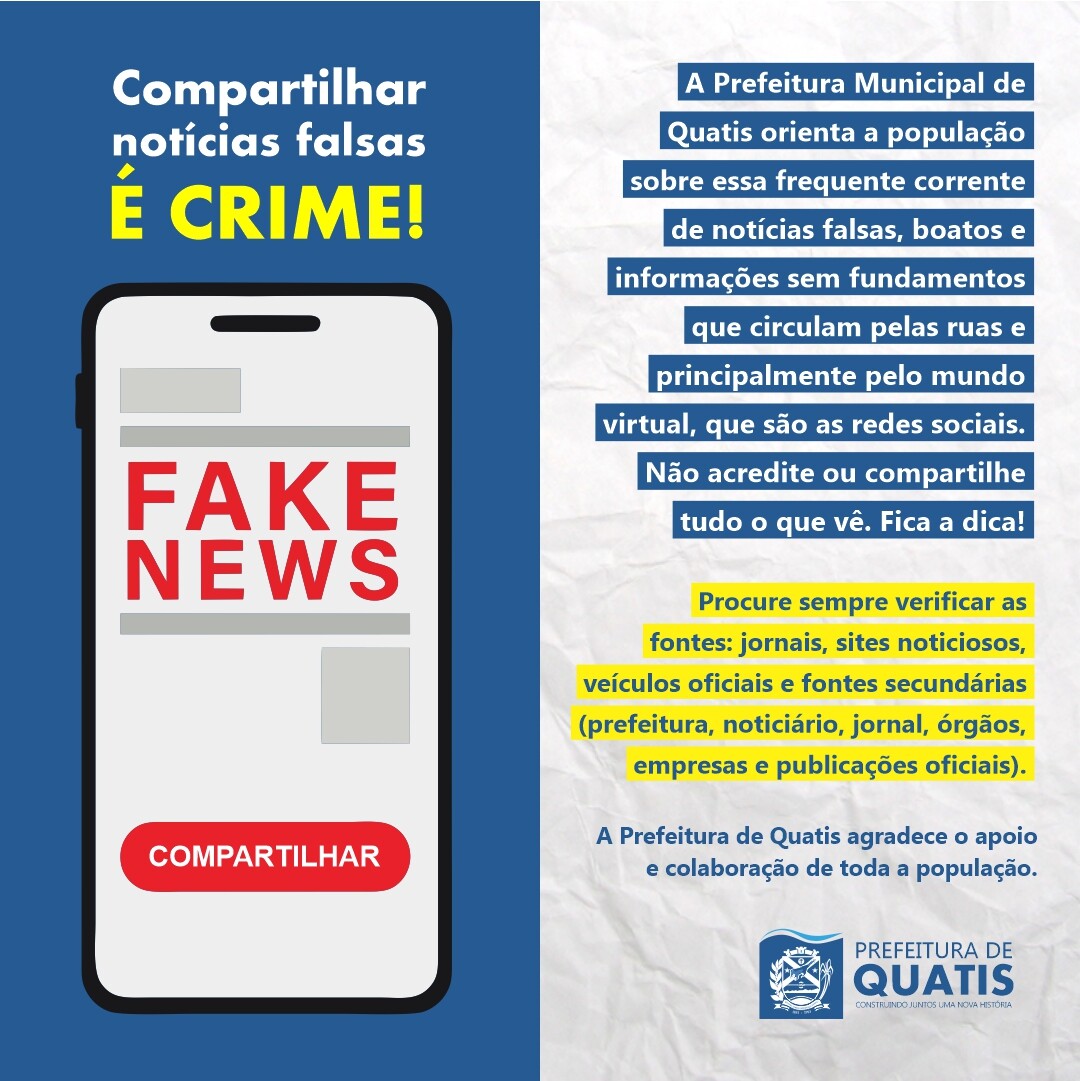
How to Spot Fake Crime News and Separate Fact From Fiction
Every time you scroll through a headline about a robbery, a serial killer, or a courtroom drama, you’re hit with a gut‑level reaction. That is exactly what makes false crime stories so potent: they play on fear, curiosity, and the human love of drama. The good news? You don’t need a forensic lab to tell a hoax from a hard‑won fact. A few simple habits and a critical eye can keep you from spreading misinformation and, more importantly, from being misled.
Why Crime Stories Get Distorted
Crime sells. News outlets, social‑media algorithms, and even casual sharers all benefit when a lurid headline grabs attention. This incentive creates a perfect storm for sensationalism:
- Speed over accuracy: In the race to be first, journalists may publish before verifying details.
- Echo chambers: Platforms amplify stories that generate strong reactions, regardless of truth.
- Visual hooks: Grainy mugshots, dramatic crime‑scene photos, or sensational video clips can convince viewers that a story is genuine.
Understanding these pressures helps you see why a story might be exaggerated—or outright fabricated.
Quick Checklist Before You Share
When a crime headline lands in your feed, run through this short mental checklist. It takes less than a minute, but it can save you from spreading falsehoods.
- Source credibility: Is the article from a recognized news organization, a local paper, or an anonymous blog?
- Author identity: Does the byline belong to a known reporter? Anonymous pieces are a red flag.
- Published date: Timeliness matters. Some stories are recycled months later as “new” events.
- Cross‑verification: Search for the same story on at least two reputable outlets.
- Evidence quality: Are there official police statements, court documents, or verifiable video footage?
- Language cues: Sensational adjectives (“shocking,” “horrific”) and all‑caps headlines often indicate bias.
Digging Deeper: Tools and Techniques
1. Use Fact‑Checking Websites
Sites such as Snopes, FactCheck.org, or local equivalents maintain searchable databases of debunked stories. A quick lookup can confirm whether a particular crime report has already been investigated.
2. Reverse‑Image Search
Images travel fast, especially when they’re striking. Paste a photo into Google Images or TinEye; you’ll see where else it’s appeared—and whether it’s been taken out of context.
3. Check Official Records
Many police departments publish press releases or incident logs online. If a high‑profile crime truly occurred, there will usually be a record on a government site.
4. Analyze the URL
Suspicious sites often use odd domain extensions (.xyz, .info) or names that mimic reputable outlets with a small typo (“The New Yrok Times”). A quick glance at the URL can reveal a lot.
Common Red Flags in Fake Crime Reporting
Recognizing patterns makes identification easier. Here are some tell‑tale signs you’ll see again and again:
- Stories lacking specific names, dates, or locations.
- Quotes that sound fabricated or overly dramatic—often attributed to “eyewitnesses” without names.
- Exaggerated claims of “massive arrests” or “nationwide manhunt” without follow‑up details.
- Links that lead to pay‑walls or require registration before you can read the full story.
- Heavy reliance on “viral videos” that are unverified or taken from unrelated events.
When In Doubt, Ask the Experts
If a story seems plausible but you can’t find confirmation, consider reaching out:
- Local journalists: Reporters covering crime beats often know whether a case is real.
- Law‑enforcement public affairs offices: They can confirm or deny the existence of an investigation.
- Academic criminologists: University experts sometimes comment on high‑profile cases.
A short email asking, “Can you confirm whether this incident occurred?” rarely goes unanswered.
Why It Matters
Beyond the personal embarrassment of sharing a hoax, fake crime news can have real‑world consequences:
- It may sway public opinion on policy issues, like gun control or policing reforms.
- Victims and their families can suffer additional trauma when false narratives circulate.
- Law‑enforcement resources can be diverted to address rumors rather than actual threats.
By taking a moment to verify, you contribute to a healthier information ecosystem.
Practical Tips for Everyday Browsing
Here are some habits you can weave into your daily routine:
- Bookmark a few reputable fact‑checking sites for quick access.
- Enable “safe search” filters that flag potentially misleading headlines.
- Limit reliance on headline‑only reading; scroll for the full article before forming an opinion.
- When sharing, add a brief note such as “I couldn’t verify this, proceed with caution.”
These small steps add up, turning a casual scroller into a vigilant gatekeeper.