How to Stay Safe and Informed During Today’s Tsunami Warning
When a tsunami warning flashes across your phone or the news, the first reaction is often a rush of adrenaline mixed with a dash of uncertainty. Knowing exactly what to do can turn that nervous energy into purposeful action. Below is a practical guide that walks you through the steps you need to take right now, whether you’re at the beach, at home, or on the road.
What Triggers a Tsunami Warning?
A tsunami warning is issued when a significant underwater disturbance—usually an earthquake, volcanic eruption, or landslide—has the potential to generate a series of large sea waves. Agencies such as the Pacific Tsunami Warning Center or local meteorological services monitor seismic activity 24/7 and broadcast alerts the moment thresholds are crossed.
Immediate Steps to Take
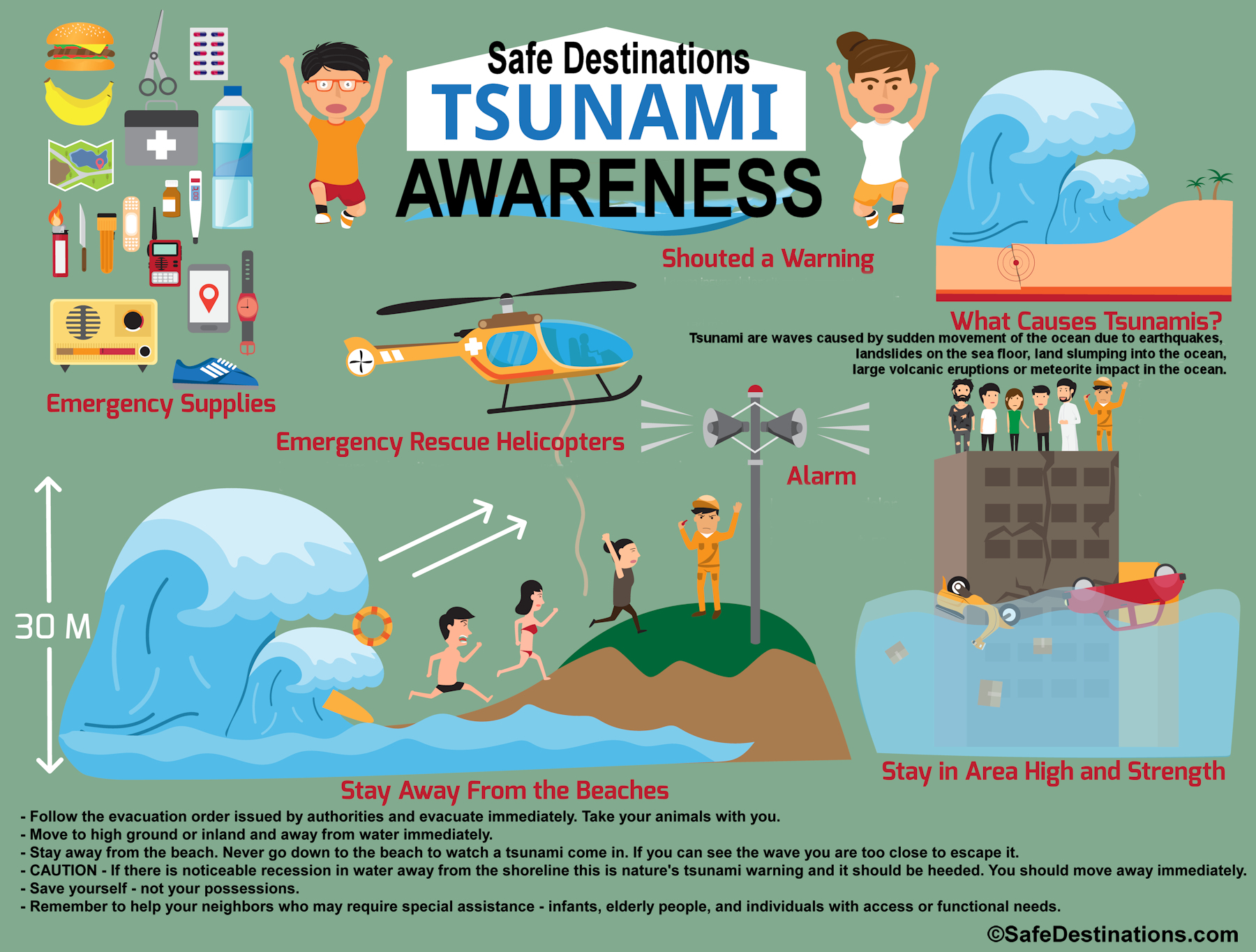
- Listen First: Keep a battery‑powered radio, a NOAA Weather Radio, or a reliable smartphone alert app turned on. Official warnings will specify the expected arrival window.
- Don’t Wait for the Sea to Rise: The water can recede dramatically before the wave hits, creating a false sense of calm.
- Move Inland Quickly: Aim for higher ground—ideally at least 100 feet above sea level or 2 miles inland. If you’re in a multi‑story building, go to the top floor.
Preparing an Emergency Kit
If you live in a coastal zone, a compact kit can be a lifesaver. Include:
- Water (at least one liter per person per day)
- Non‑perishable food
- Flashlight and spare batteries
- First‑aid supplies
- Copy of important documents (ID, insurance)
- Portable charger for your phone
Understanding Local Evacuation Routes
Every community that faces tsunami risk has designated evacuation routes marked with signage. Take a few minutes today to locate the nearest river crossing, hill road, or school gym that doubles as a shelter. If you’re unsure, a quick call to the local emergency management office can clarify the safest path.
When You’re Already on the Coast
Being at the beach when a warning is issued is especially unsettling. Follow these quick actions:
- head straight for the highest point you can see—dunes, cliffs, or parking structures;
- avoid low‑lying bridges and roads that may flood;
- stay away from windows if you’re inside a beachfront building—glass can shatter from the pressure wave.
How to Communicate with Others
Rapid, clear communication can prevent panic. Use text messages rather than calls to reduce network overload. Share your location and safety status with family members using a pre‑agreed code word—for example, “Coastal clear” means you’ve reached higher ground and are safe.
What to Expect When the Wave Arrives
The incoming water can roar like a freight train, and the force may sweep everything in its path. If you’re caught in the open, try to:
- climb onto sturdy objects—large trees, concrete walls—if they’re within reach;
- stay low and protect your head if you can’t climb higher;
- keep breathing shallow to avoid inhaling water and debris.
After the Wave Passes
The danger isn’t over the moment the water recedes. Flooded streets may hide downed power lines, contaminated water, or weakened structures. Follow these precautionary steps before returning home:
- listen for the “all clear” announcement from authorities;
- avoid wading through water—use a stick to test depth and current;
- inspect your home for structural damage before re‑entering.
Staying Updated Over the Next 24 Hours
Even after the initial wave, aftershocks can trigger additional surges. Keep your alerts on, check official websites regularly, and be ready to move again if a secondary warning is issued.
Key Takeaways
- Act instantly—listen, move, and stay higher.
- Know your local evacuation routes and have a basic kit ready.
- Communicate efficiently and trust official sources over rumors.
- Remain vigilant for secondary waves and post‑event hazards.