How to Stop Condensation on Your Storm Windows
When you glance at your storm windows on a chilly morning and see a veil of water droplets, it’s more than just an eyesore. That moisture can signal airflow problems, trapped humidity, or even a weakening seal that, over time, could affect the window’s performance. Fortunately, most of these issues are fixable without calling in a specialist.
Why Condensation Forms in the First Place
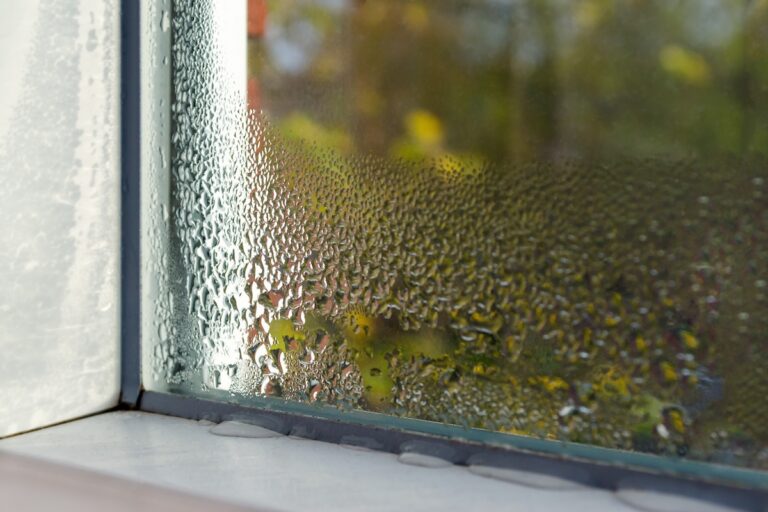
The simple physics behind it is that warm, moist indoor air meets a cold surface – the glass of your storm window. When the temperature of the glass drops below the dew point, water vapor condenses into visible droplets. Several factors can tip the balance:
- Temperature differences: Inadequate insulation or drafts let cold air crawl around the frame.
- Humidity levels: Cooking, showering, or even indoor plants can raise indoor moisture.
- Seal integrity: A worn or improperly installed seal allows outside air to sneak in.
Step‑by‑Step Checks Before You Reach for Tools
1. Verify the Fit of the Window
Pull the storm panel gently outward. Does it move easily, or does it feel stuck? A panel that’s too tight can trap air, while one that’s loose lets drafts in. Adjust the mounting brackets if necessary – a few millimeters can make a world of difference.
2. Inspect the Sealant
Look along the perimeter for cracks, gaps, or hardened caulk. Even a tiny opening acts like a doorway for cold air. If the seal looks brittle, it’s time for a fresh bead of silicone or a high‑quality acrylic sealant.
3. Check for Blocked Drain Channels
Many storm windows incorporate tiny weep holes to let condensation escape. Use a flashlight to locate them, usually at the bottom edge. If they’re clogged with dust or debris, a thin wire or a soft brush will clear the path.
Practical Fixes You Can Do Today
- Improve ventilation: Run an exhaust fan in the kitchen or bathroom for a short burst after showers or cooking.
- Use a dehumidifier: In particularly humid seasons, a small unit can keep indoor moisture at a manageable level.
- Apply weatherstripping: Self‑adhesive foam tape around the interior frame adds a snugger seal without a major renovation.
- Upgrade the glass: If condensation is persistent, consider swapping the inner pane for a double‑glazed unit that resists temperature swings.
When to Call a Professional
If you’ve tightened the brackets, resealed the edges, and cleared the weep holes, yet the glass still fogs up, the issue may be deeper.
- Distorted or cracked glass that no longer sits flush.
- Persistent fog between the panes – a sign the inner seal has failed.
- Structural damage to the window frame, especially with wood that has begun to rot.
In those cases, a qualified installer can replace the storm window or repair the underlying frame, ensuring a long‑term solution.
Quick Tips to Keep Condensation at Bay
- Maintain indoor humidity between 30‑50 %.
- Open interior blinds during sunny days to let solar heat warm the glass.
- Turn down the thermostat a few degrees at night and use heavy curtains to trap warmth.
- Regularly wipe the interior surface with a dry microfiber cloth – this removes moisture before it can settle.
Condensation on storm windows isn’t a mystery; it’s a signal that something in the building envelope needs attention. By following these checks, simple repairs, and maintenance habits, you can keep those panes clear, your home comfortable, and your energy bills in check.