How to Summarize Key Points Step‑by‑Step with Clear Examples
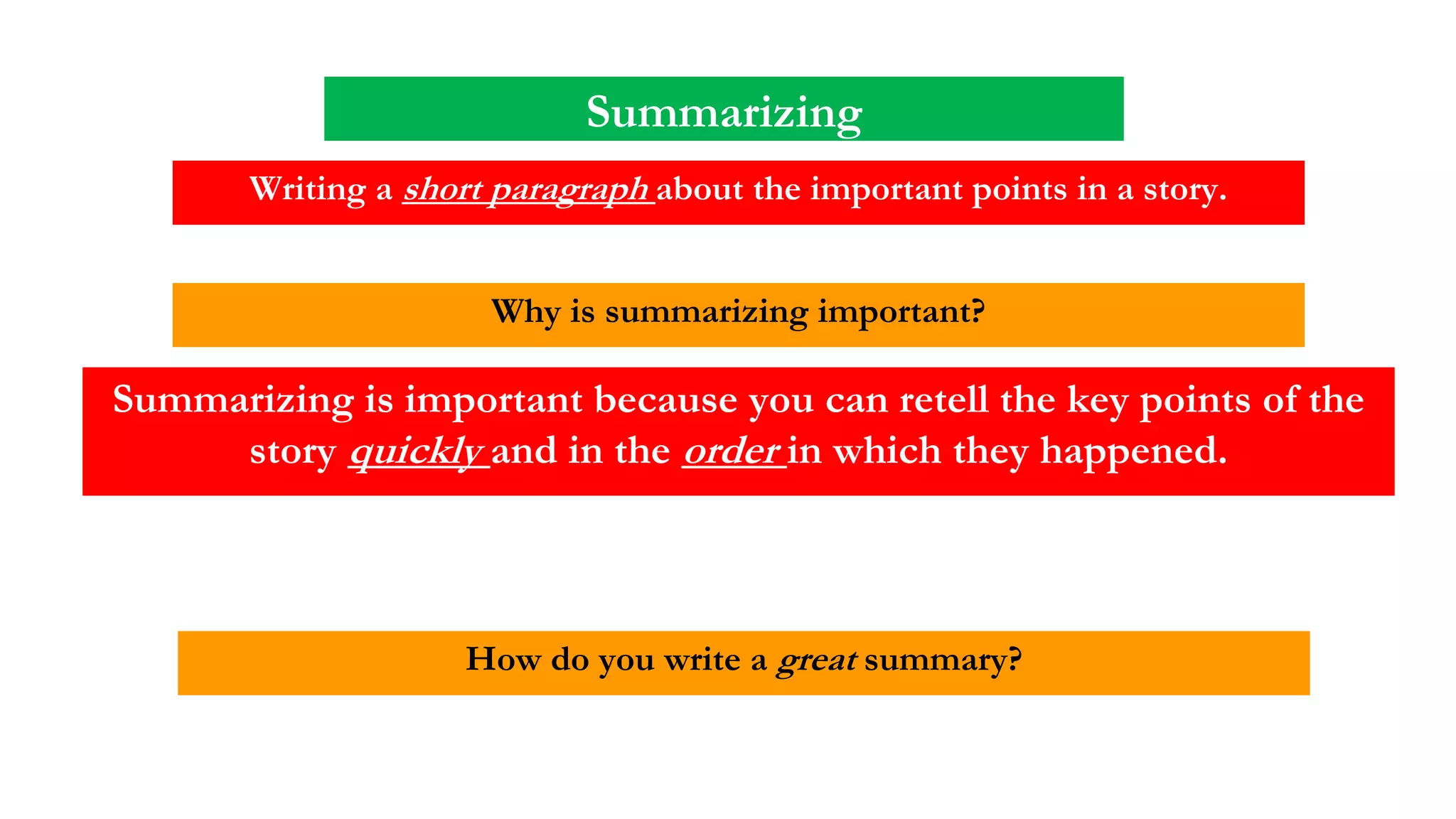
Ever sat through a meeting or finished a dense article and felt the main ideas slip through your fingers? Pulling out the essence—those bite‑size nuggets that actually stick—doesn’t have to be a guessing game. Below is a practical walk‑through, peppered with real‑world snapshots, that shows how to turn a wall of information into crisp, memorable points.
Why Summarizing Matters
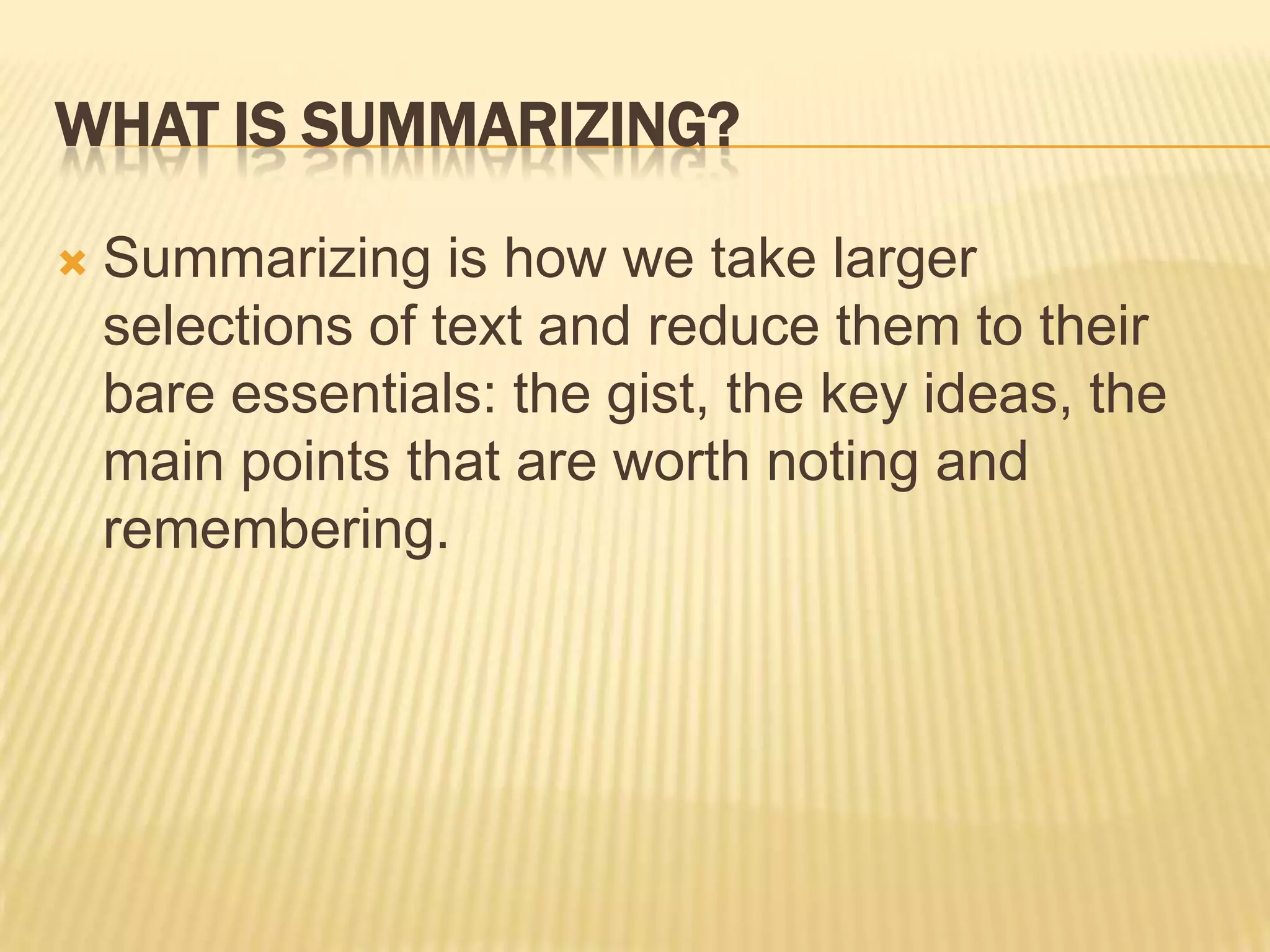
Summaries are the bridge between raw data and actionable insight. Whether you’re drafting minutes, prepping a presentation, or simply reviewing a textbook, a good summary:
- Highlights the core message without drowning in detail.
- Saves time for yourself and your audience.
- Serves as a reference that’s easy to scan later.
Step 1: Skim for Structure
Before you dive into the content, take a quick glance. Look for headings, bolded terms, or bullet lists. These visual cues often signal the author’s intended hierarchy.
Example: In a 12‑page report on renewable energy, the executive summary, section titles like “Market Trends” and “Policy Recommendations,” and the final conclusions are all clues to the document’s backbone.
Step 2: Identify the Main Idea
Ask yourself: What is the single most important takeaway? This isn’t about listing facts; it’s about capturing the author’s purpose.
Case study: A news article on a new vaccine rollout might include statistics, side‑effect profiles, and distribution logistics. The main idea, however, is that the vaccine is expected to cut hospitalizations by 40 % within the first six months.
Step 3: Pull Out Supporting Details
Once the headline idea is clear, cherry‑pick 2‑4 pieces of evidence that reinforce it. Keep them succinct—think of each as a supporting pillar.
- Key figure: “40 % reduction in hospitalizations.”
- Critical quote: “Experts say this is a game‑changer for public health.”
- Brief context: “The rollout begins in three pilot cities next week.”
Step 4: Re‑Phrase in Your Own Words
Paraphrasing forces you to process the information, making the summary more authentic and less prone to plagiarism. Aim for simple language; avoid jargon unless your audience expects it.
Before: “The longitudinal study elucidates a statistically significant correlation between nocturnal melatonin secretion and cognitive performance metrics.”
After: “Long‑term research shows that more melatonin at night improves thinking skills.”
Step 5: Condense to One Sentence (Optional)
If you need an ultra‑short version—say, for a slide title—compress everything into a single, punchy line.
Example: “New vaccine rollout could slash hospitalizations by 40 % within six months.”
Common Pitfalls to Avoid
Adding Unnecessary Details
It’s tempting to sprinkle in interesting facts, but they can drown the main point. Resist the urge to include every statistic.
Copy‑Pasting Verbatim
Direct quotes belong in quotation marks and should be limited. Over‑quoting turns a summary back into a transcript.
Over‑Simplifying
While brevity is key, stripping away essential nuance can mislead. Ensure the summary still reflects the original’s tone and intent.
Real‑World Applications
- Meeting minutes: After a project kickoff, write a three‑bullet list—goal, key decisions, next steps.
- Study notes: For each textbook chapter, jot down the central thesis plus two supporting arguments.
- Content marketing: Craft a meta description by summarizing the article’s hook and benefit in 150 characters.
Quick Reference Checklist
- Skim for headings and visual cues.
- Pinpoint the core message.
- Select 2‑4 supporting facts.
- Paraphrase in plain language.
- (Optional) Trim to a single, compelling sentence.
With this roadmap, turning dense material into clear, memorable points becomes almost automatic. The next time you’re faced with a stack of notes or a lengthy report, give the steps a try—you’ll notice the difference almost immediately.