How to Stop Motorcycle Battery Overcharge and Its Causes
Ever noticed your bike’s starter struggling just after a short ride? Sometimes the culprit isn’t a weak battery at all, but a battery that’s being fed more juice than it can handle. Overcharging can quietly sap a battery’s life, lead to corrosion, and even cause a nasty spill. Understanding why it happens and how to stop it can save you a lot of hassle—and a few bucks.
What Causes a Motorcycle Battery to Overcharge?
Most modern bikes use a regulator/rectifier (RR) to keep the charging voltage in check. When that system goes off‑track, voltage can climb well above the safe 14.4‑volts range for a typical 12‑V lead‑acid battery.
- Faulty regulator/rectifier: A worn diode or internal short can let the alternator’s AC output surge straight to the battery.
- Defective alternator: A stuck voltage regulator inside the alternator can push excessive current.
- Incorrect charger settings: Using a generic charger not meant for motorcycles may apply a higher voltage than the battery tolerates.
- Loose or corroded wiring: Poor connections can create resistance spikes, confusing the RR into thinking more voltage is needed.
- Battery type mismatch: Swapping a lead‑acid cell for a lithium‑ion one without changing the charging profile can cause over‑voltage.
Even a brief surge—say, a few minutes after a long highway run—can start to degrade the plates inside the battery. It’s a slow process, but the damage adds up.
How to Spot an Overcharging Battery
Early signs are subtle, which is why regular checks are worth the few minutes they take.
- Battery case feels unusually warm, even after the bike has been off for a while.
- Excessive electrolyte loss or a foamy layer on top of the liquid.
- Frequent electrolyte spillage when you top up the cells.
- Sudden drops in voltage when the engine is idling, then a rapid rise once revved.
- Foul, rotten‑egg smell—a hint that the acid is breaking down.
If you notice any of these symptoms, it’s time to dig a little deeper before the battery quits completely.
Practical Steps to Prevent Overcharging
Preventing a problem is often cheaper than fixing one. Here are some everyday habits that keep the voltage where it belongs.
- Inspect the regulator/rectifier regularly: Look for cracked housings, burnt marks, or loose terminals. Replace it at the first sign of trouble.
- Use a charger designed for motorcycles: Many modern chargers have “smart” modes that adapt to the battery’s chemistry and stop when full.
- Check wiring connections: Tighten any loose bolts, clean corrosion with a proper brush, and apply dielectric grease to keep moisture out.
- Monitor charging voltage: A simple multimeter hooked to the battery terminals while the engine runs should read between 13.8 and 14.4 V. Anything higher warrants a closer look.
- Match the battery to the bike: If you upgrade to a different chemistry, make sure the RR and charger are compatible.
- Avoid prolonged idling: Letting the engine run at low revs for extended periods can cause the alternator to over‑produce voltage.
When to Call a Professional
Some issues are best left to a technician with the right tools and experience. Consider professional help if:
- You consistently measure voltage above 14.6 V despite checking connections.
- The regulator/rectifier shows signs of internal damage (burnt smell, melted plastic).
- The battery repeatedly fails a load test after being “recharged.”
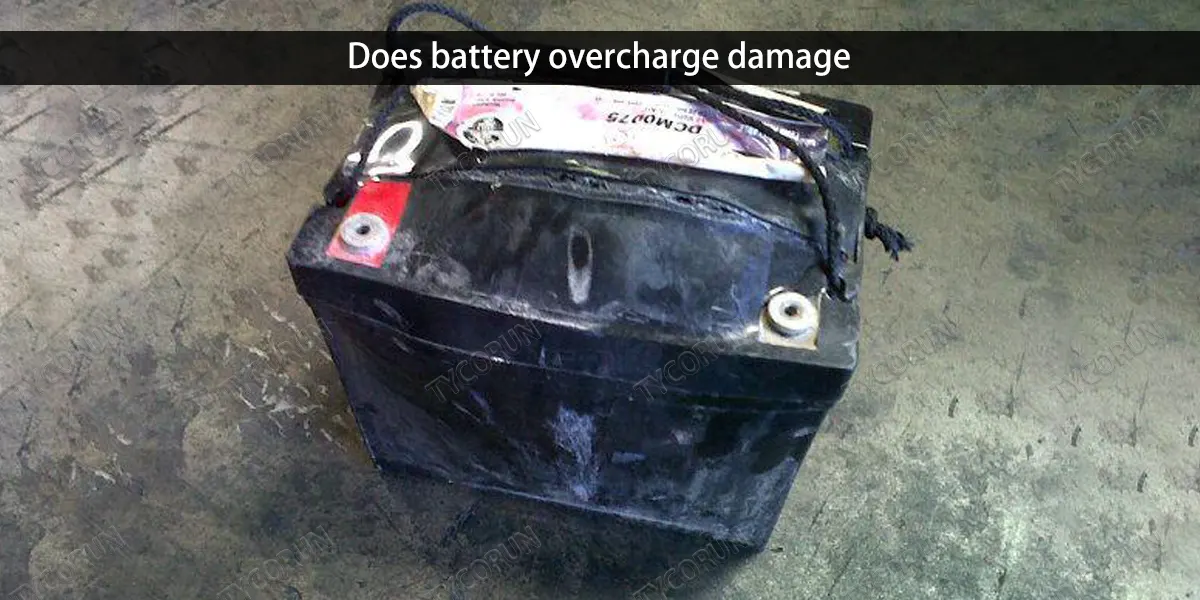
- Corrosion or swelling of the battery case is evident.
A qualified mechanic can test the charging system under load, replace faulty components, and safely dispose of a compromised battery.
Quick Checklist for Your Next Service
- Measure charging voltage at idle and at 3,000 rpm.
- Visually inspect the regulator/rectifier and alternator.
- Ensure all battery terminals are clean and tight.
- Confirm the charger’s voltage and amperage match the battery’s specifications.
- Record any abnormal smells or excessive heat.
Keeping this list handy makes it easier to catch an overcharge before it becomes a costly repair.