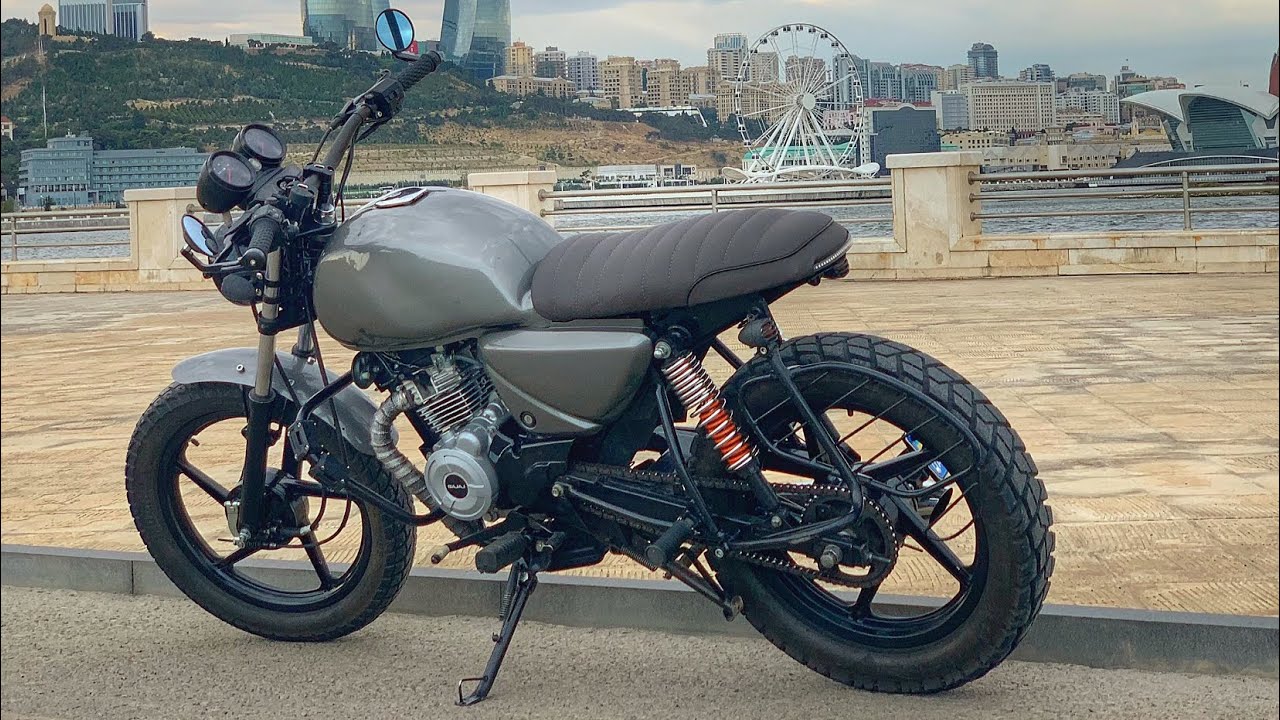
How to Turn a Bajaj Boxer 150 into a Cafe Racer
Ever dreamed of cruising the city streets on a bike that looks as cool as it sounds? The Bajaj Boxer 150, with its sturdy chassis and modest engine, makes a surprisingly good canvas for a cafe‑racer makeover. Below is a step‑by‑step guide that blends practical tweaks with a dash of personal style, so you can roll out a machine that turns heads without breaking the bank.
Why Choose the Boxer 150 for a Cafe Racer?
The Boxer 150 isn’t a high‑performance superbike, but that’s part of its charm. Its low seat height, simple frame, and reliable four‑stroke engine give you a solid base to work from. Plus, the bike’s relatively low cost leaves room in the budget for creative upgrades rather than expensive OEM parts.
Planning Your Build
Before you start unscrewing bolts, sketch a rough layout of how you want the bike to look. Consider these three pillars:
- Appearance: Minimalist tail, round headlamp, retro fuel tank.
- Ergonomics: Lower handlebars, forward‑leaning riding position.
- Performance: Slight power boost, better handling, but keep reliability top of mind.
Jot down a list of must‑have parts and a separate “nice‑to‑have” list. This helps you stay on track when the temptation to add another chrome piece pops up.
Essential Tools
- Metric socket set (10 mm‑19 mm)
- Torque wrench
- Angle grinder with a sanding disc
- Wire brush and metal polish
- Heat gun for paint work
Step 1: Stripping Down to the Frame
Start by removing the stock bodywork. The plastic fairings, side panels, and the stock headlamp can be taken off with a few Allen keys. Keep all screws and brackets in labeled bags—trust me, you’ll thank yourself when it’s time to re‑assemble.
While the bike is bare, give the frame a quick inspection. Look for any rust spots or cracks. A little sandpaper and primer can take care of surface rust, but if you find structural damage, it’s wiser to pause the project.
Step 2: The New Fuel Tank
The heart of a cafe racer’s silhouette is the slender, often chrome‑finished fuel tank. You have two main routes:
- Swap: Find a compatible 150‑cc racing tank on the aftermarket. Brands like Motovation and Jupiter offer pre‑finished options that bolt right onto the Boxer’s mounting points.
- Refinish: Keep the original tank, sand it down, apply a primer, and finish with matte or glossy paint. Adding vintage-style fuel caps can instantly elevate the look.
Don’t forget to reroute the fuel line if the new tank sits slightly lower or higher than the stock one.
Step 3: Handlebars and Controls
A cafe racer’s stance is defined by low, clip‑on handlebars. Choose a Riser Bar set (usually 8‑10 mm rise) and a drag‑style rear set. This combination drops the riding position, giving you that classic “lean‑into‑the‑road” feel.
When installing, pay attention to the clutch and brake lever adjustments. You’ll likely need longer levers to maintain comfortable reach after the bars are lowered.
Step 4: Seat and Rear Sub‑Frame
The stock seat is often too bulky for the sleek look. A custom “solo” seat can be built from a single piece of foam wrapped in leather or vinyl. Many builders shape it with a wooden template, then cover it with a stretchable fabric to achieve that snug, contoured finish.
For the rear sub‑frame, replace the stock triangle with a café‑style single‑piece made from mild steel. It reduces weight and gives the bike that unmistakable stretched‑out silhouette. Welding skills are handy here, but several shops can fabricate it to your specs at a reasonable price.
Step 5: Exhaust Upgrade
The stock muffler is functional but not exactly eye‑catching. A slip‑on pipe with a polished stainless steel finish not only looks the part but can shave a few horsepower off the modest 150 cc engine. Make sure the new exhaust complies with local noise regulations—most slip‑ons are designed to stay within legal limits.
Step 6: Lighting and Electronics
Swap the bulky stock headlamp for a round, retro‑style bulb. LED units are popular because they brighten the road and consume less power. Pair them with a small round “nacelle” to keep the front clean.
Consider adding a miniature digital dash that displays speed, fuel level, and RPM. It slides under the tank and preserves the minimalist look.
Step 7: Paint and Finishing Touches
Now for the fun part—color. Classic cafe racers favor muted tones: matte black, British racing green, or a simple two‑tone with a contrasting fuel tank. If you’re feeling bold, a subtle pinstripe along the fuel tank can add a vintage flourish.
Apply a clear coat for protection, then polish any chrome parts (mirrors, footpegs, exhaust) to a high shine. A quick dust‑off with a microfiber cloth makes the bike look showroom‑ready.
Budgeting Tips
- Source used parts: Check local classifieds for discarded bike frames or handlebars—often a treasure trove.
- DIY wherever possible: Fabricating the seat or sub‑frame yourself can cut costs dramatically.
- Prioritize safety: Invest in good quality brakes and a reliable set of tires before splurging on aesthetics.
Final Thoughts
Transforming a Bajaj Boxer 150 into a cafe racer isn’t about turning it into a race‑track machine; it’s about giving an everyday bike a personality that reflects your own style. With the right mix of mechanical know‑how, creative vision, and a pinch of patience, you’ll end up with a bike that feels as good to ride as it looks to stare at.