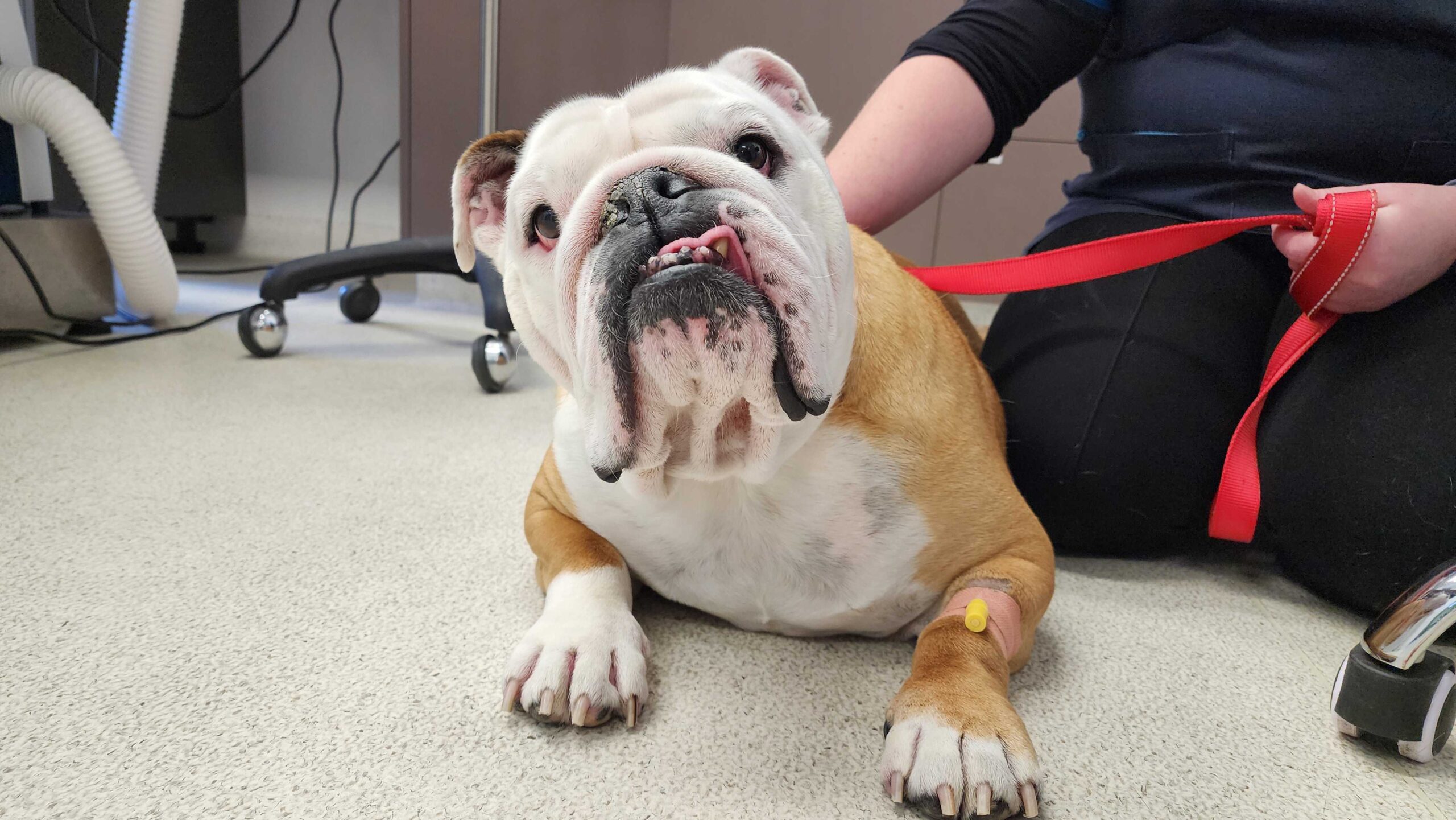
How to Understand and Prepare for Cryptorchidism Surgery in Dogs
Finding out that your dog has an undescended testicle can be unsettling, especially when the word “cryptorchidism” pops up in a vet’s report. It’s a medical term, sure, but the underlying concept is straightforward: one or both testicles haven’t made the journey down into the scrotum. The good news is that a relatively simple operation can resolve the issue, and knowing what to expect helps you feel confident about the whole process.
What Exactly Is Cryptorchidism?
In a typical male dog, the testicles develop inside the abdomen before migrating through the inguinal canal to settle in the scrotum before birth. Cryptorchidism occurs when this migration stops prematurely. The retained testicle may sit somewhere in the abdomen or linger in the inguinal canal.
While many dogs live with the condition without obvious problems, there are a few reasons veterinarians usually recommend removal:
- Higher risk of testicular cancer, especially in retained testicles.
- Potential for hormonal imbalances that can affect behavior.
- Increased chance of an inguinal hernia forming.
Diagnosing the Condition
Most owners first notice the issue during a routine exam when the veterinarian can’t palpate a testicle in the scrotum. From there, a few diagnostic steps typically follow:
- Physical examination: Gentle manipulation of the inguinal area may reveal a partially descended testicle.
- Ultrasound: Provides a clear picture of any abdominal testicle.
- X‑ray (rarely needed): Occasionally used if the testicle is suspected to be deep within the abdominal cavity.
These tools help the vet pinpoint the exact location, which determines the surgical approach.
Choosing the Right Surgical Technique
There are two primary ways to remove an undescended testicle, and the choice depends largely on where the testicle resides:
1. Inguinal Cryptorchidectomy
If the testicle is in the inguinal canal, surgeons make a small incision near the groin. This approach generally results in a shorter recovery.
2. Abdominal (Laparoscopic) Cryptorchidectomy
When the testicle is deeper in the abdomen, a laparoscopic (keyhole) technique is often preferred. It offers excellent visibility, minimal tissue trauma, and a quicker return to normal activity.
Both methods are performed under general anesthesia, and most veterinary hospitals have the equipment and expertise to handle either scenario.
What to Expect on the Day of Surgery
The day of the operation can feel a bit like a marathon, but it’s really just a series of well‑coordinated steps:
- Pre‑operative blood work: Checks liver and kidney function, ensuring the dog can tolerate anesthesia.
- Fasting: Typically 8–12 hours without food, but water is usually allowed.
- Anesthesia induction: A gentle sedative followed by a full anesthetic cocktail.
- Procedure: Depending on location, the vet either makes a small groin cut or inserts a laparoscopic camera and instruments.
- Closing up: Sutures are placed, often dissolvable, so there’s no need for removal.
Most dogs are ready to go home the same day, though a brief observation period is standard to monitor vital signs.
Recovery Tips for a Smooth Healing Process
Recovery is usually uneventful, but a few practical measures can make it easier for both you and your pet:
- Limit activity: Keep walks short and avoid running or jumping for 10–14 days.
- Monitor the incision: Look for swelling, redness, or any discharge. A little bruising is normal.
- Use an e‑collar if needed: Prevents the dog from licking or chewing at the stitches.
- Follow pain medication instructions: Even if your dog seems fine, a short course of analgesics keeps discomfort at bay.
- Hydration and appetite: Offer water first; a light meal can follow once the dog is fully awake.
Potential Complications (and How Rare They Are)
Any surgery carries some risk, but complications specific to cryptorchidectomy are uncommon when performed by an experienced surgeon. The most likely issues include:
- Infection at the incision site – usually managed with a short course of antibiotics.
- Bleeding – mitigated by careful intra‑operative control.
- Adhesions (scar tissue) – can cause mild discomfort but rarely require further intervention.
If you notice persistent limping, a large swelling, or a foul odor from the wound, contact your vet promptly.
Long‑Term Outlook After Surgery
Once the undescended testicle is removed, the primary concerns—cancer risk and hormonal imbalance—are essentially eliminated. Most owners report that their dog returns to normal behavior within a few weeks. If the dog was intact before surgery, consider whether you’d like to neuter the remaining testicle; many vets recommend it to avoid future reproductive issues.
Frequently Asked Questions
Can a cryptorchid dog breed?
Yes, but only the descended testicle can produce viable sperm. However, the trait is hereditary, so most breeders avoid using cryptorchid dogs for breeding.
Is the surgery painful?
Modern anesthesia and analgesia protocols keep discomfort to a minimum. Post‑operative pain is typically mild and well‑controlled with medication.
Will my dog need a follow‑up visit?
Most vets schedule a suture check or a brief exam about 7–10 days after surgery to ensure the incision is healing properly.
Discovering cryptorchidism can feel like a curveball, but with clear information and a competent veterinary team, the journey from diagnosis to recovery is far less daunting than it first appears. Armed with these insights, you can approach the surgery with confidence, knowing you’re doing what’s best for your four‑legged companion.