How to Unlock Nuclear Power: A Step‑by‑Step Guide
When people hear “nuclear power,” they often picture massive turbines, glowing coolant ponds, or headlines about accidents. Yet the reality is far richer—and the potential to harness that energy responsibly is growing every day. Unlocking nuclear power means navigating technology, safety, policy, and public perception in a coordinated way. Below is a practical roadmap for governments, investors, and curious citizens who want to see clean, reliable electricity from the atom become a mainstream option.
Understanding the Basics
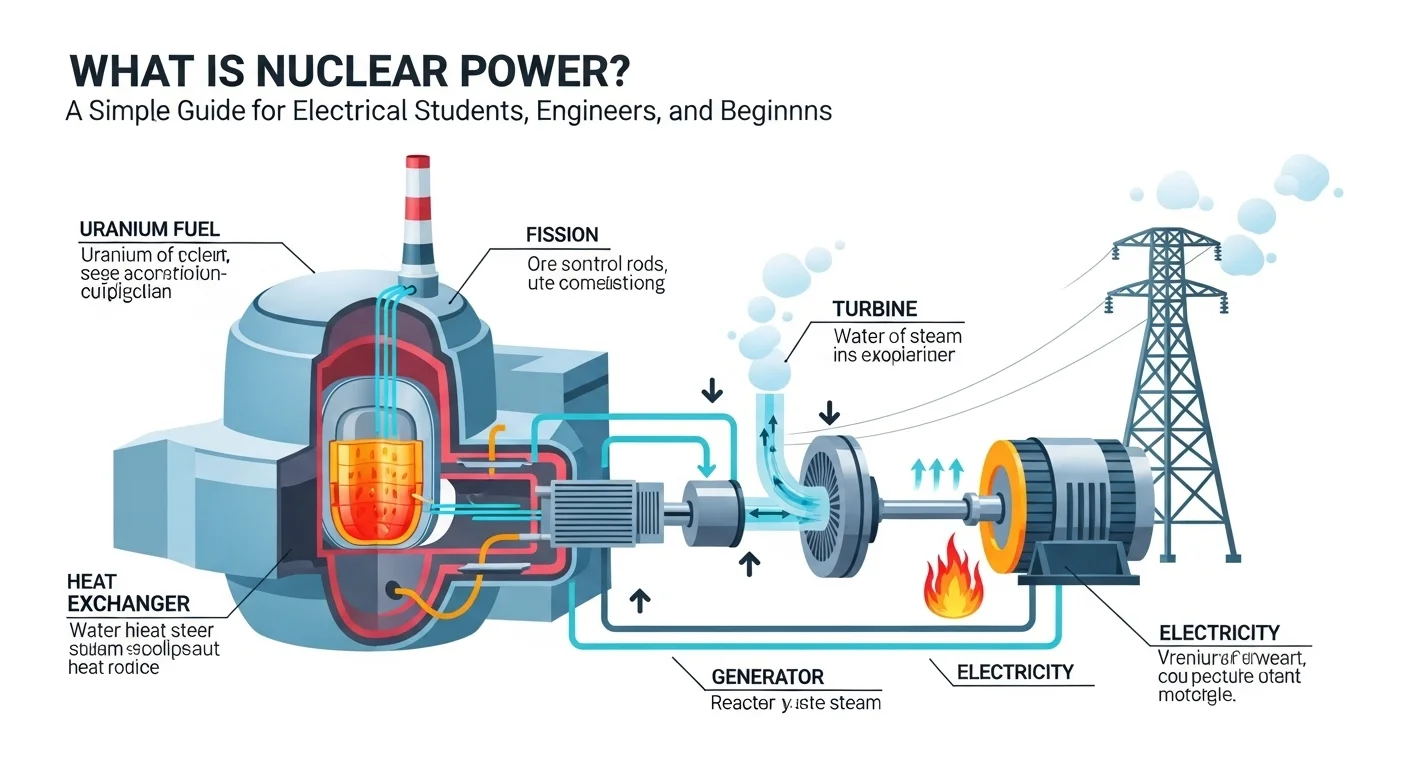
At its core, nuclear power converts the heat released by atomic fission—or, in experimental stages, fusion—into electricity. In most commercial plants today, uranium‑235 atoms split when struck by neutrons, releasing energy that boils water, drives turbines, and lights up the grid. The process produces virtually no carbon dioxide, making it an attractive partner for climate goals, especially when paired with renewables that are intermittent.
However, the same reactions also generate radioactive waste and require robust safeguards. The challenge, then, isn’t just building reactors; it’s creating a system where benefits outweigh risks, and where that system can be replicated at scale.
Technology Paths
Three technological avenues dominate the conversation about unlocking nuclear power.
Light Water Reactors (LWRs)
LWRs are the workhorses of today’s fleet. They use ordinary water as both coolant and neutron moderator. Their design is well‑understood, and most licensing frameworks are built around them. Modern upgrades—such as accident‑tolerant fuels—aim to boost efficiency and reduce the likelihood of core damage.
Small Modular Reactors (SMRs)
SMRs shrink the classic plant down to a module that can be factory‑built and shipped to a site. Because they generate under 300 MW each, they fit better with regional grids and can be paired with industrial parks or remote communities. Their smaller size also simplifies safety systems: many designs rely on passive cooling that works without external power.
Advanced Fusion Concepts
Fusion remains experimental, but projects like ITER and private ventures such as Commonwealth Fusion Systems are closing the gap between laboratory plasma and a power‑producing plant. If successful, fusion could deliver virtually limitless energy with minimal long‑term waste—an ultimate “unlock” for the nuclear sector.
Overcoming Safety Concerns
Public anxiety often centers on accidents and waste. Addressing those concerns requires both engineering and communication.
- Passive safety. Modern reactors incorporate gravity‑driven cooling, natural circulation, and materials that resist overheating without human intervention.
- Robust containment. Multi‑layered concrete and steel structures are designed to withstand extreme events, from earthquakes to aircraft impacts.
- Waste management. High‑level waste is typically vitrified—encased in glass—and stored in deep geological repositories. Countries like Finland are already operating such facilities, showing that long‑term solutions are viable.
When safety systems are transparent and regularly exercised, the likelihood of a catastrophic event drops dramatically, and public confidence rises.
Navigating Regulation and Licensing
Every nuclear project must pass a rigorous licensing process that can take a decade or more. Streamlining doesn’t mean cutting corners; it means modernizing the framework to reflect new technologies.
Key steps include:
- Creating a risk‑informed, performance‑based licensing model that evaluates safety outcomes rather than prescribing specific designs.
- Allowing “design certification” for reactor families, so individual plants can focus on site‑specific reviews.
- Coordinating with international bodies such as the IAEA to adopt best practices and avoid duplication of effort.
Building Public Trust
Even the safest reactor won’t be built without community buy‑in. Trust grows through consistent, two‑way dialogue.
- Education campaigns that explain how radiation works, why waste is managed, and how modern reactors differ from older models.
- Local benefits such as job creation, tax revenue, and direct investment in community infrastructure.
- Independent oversight by universities or NGOs that can audit safety reports and share findings publicly.
When residents see tangible advantages and transparent processes, opposition often softens, paving the way for project approvals.
Financing and Market Dynamics
High upfront capital costs remain the biggest financial hurdle. Yet several mechanisms are emerging to make nuclear projects more attractive.
- Government guarantees. Loan guarantees or production tax credits reduce investor risk, similar to incentives used for wind and solar.
- Public‑private partnerships. Shared ownership spreads costs and aligns the interests of regulators and developers.
- Cost‑per‑kilowatt‑hour benchmarks. By comparing nuclear’s levelized cost of electricity (LCOE) with that of renewables, policymakers can decide where nuclear fits in a diversified energy mix.
Practical Steps for Stakeholders
Whether you’re a policy maker, an energy company, or an engaged citizen, the path to unlocking nuclear power can be broken into concrete actions.
- Assess local energy needs. Identify gaps where baseload power would improve reliability—often in industrial zones or regions with limited transmission.
- Choose the right technology. For dense urban areas, SMRs may be ideal; for large baseload, upgraded LWRs could be the answer.
- Engage regulators early. Initiate pre‑application discussions to understand site‑specific requirements and streamline the licensing timeline.
- Develop a waste‑strategy roadmap. Partner with national waste management agencies to outline transportation, storage, and eventual disposal plans.
- Launch a community outreach program. Host town halls, create informational portals, and involve local schools in STEM activities related to nuclear science.
- Secure financing. Explore blended finance models that combine government incentives with private equity.
- Monitor and adapt. After construction, continuously collect performance data and adjust operations to maintain safety and efficiency.
Frequently Asked Questions
Is nuclear power really carbon‑free? While the fission process itself emits no CO₂, the full lifecycle—including mining, fuel fabrication, construction, and decommissioning—does produce some emissions. Overall, nuclear’s carbon intensity is comparable to wind and much lower than natural gas.
How long does it take to build a new nuclear plant? Traditional large reactors can require 8–12 years from site selection to commercial operation. SMRs aim to cut that to 3–5 years thanks to modular construction and streamlined licensing.
What happens to the radioactive waste? Most high‑level waste is vitrified and placed in secure interim storage before moving to a deep geological repository. Low‑ and intermediate‑level waste is often disposed of in near‑surface facilities.
Can nuclear power coexist with renewables? Absolutely. Nuclear provides steady baseload power, which can offset the intermittency of solar and wind, enabling a more resilient and low‑carbon grid.