How to Use California’s Free CDCR Inmate Locator by Name
Finding someone in the California Department of Corrections and Rehabilitation (CDCR) can feel like searching for a needle in a haystack—especially if you only have a name to go on. Fortunately, the state offers a no‑cost online tool that lets you look up inmates using just that piece of information. Below is a practical walk‑through of the locator, plus tips for interpreting the results and next steps if you need more details.
What the CDCR Inmate Locator Actually Is
The CDCR Inmate Locator is a publicly‑accessible database maintained by the California state government. It pulls data from the department’s custody system and presents it in a searchable format. Key points to keep in mind:
- Free of charge: No subscription or hidden fees.
- Updated regularly: Most records refresh daily, though transfers or releases can lag by a day or two.
- Limited scope: It only covers individuals currently under CDCR supervision (prisons, community correctional facilities, and certain parolees). Federal inmates, jail detainees, or those held by other states won’t appear.
Step‑by‑Step Guide to Searching by Name
1. Open the Official Locator Page
Start by visiting the CDCR website and clicking the “Inmate Locator” link, usually found under the “Public Information” or “Resources” menu. The URL typically looks like www.cdcr.ca.gov/locate-inmate, but a quick search for “CDCR inmate locator” will get you there fast.
2. Choose the “Name Search” Option
Once on the page, you’ll see two primary search fields: one for name and another for CDCR number. Click the tab or radio button that lets you enter a name.
3. Enter the Inmate’s Details
Type the last name first, followed by the first name. The system is forgiving—partial names often work, and you can include a middle initial if you have it. Example: Garcia, Maria L.
Tip: If you’re unsure about spelling, try variations (e.g., “Smith” vs. “Smyth”). The locator will return any close matches.
4. Submit the Search
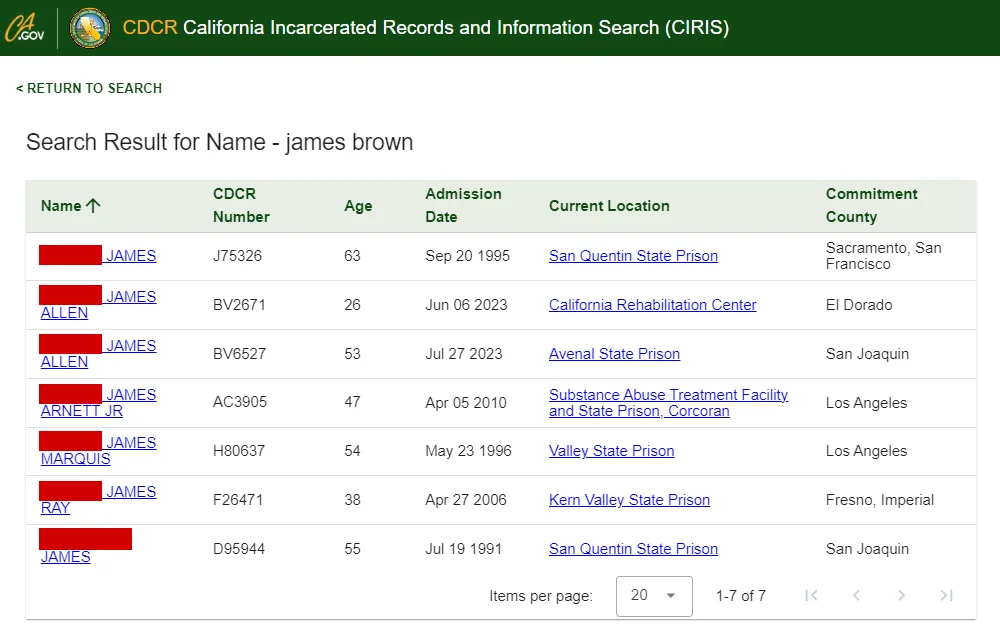
Hit the “Search” button. Within seconds, a table will appear with any matching records. Each row typically lists:
- Inmate’s full name
- CDCR number (a unique identifier)
- Current facility
- Projected release date
- Safety classification
5. Dive Deeper into a Specific Record
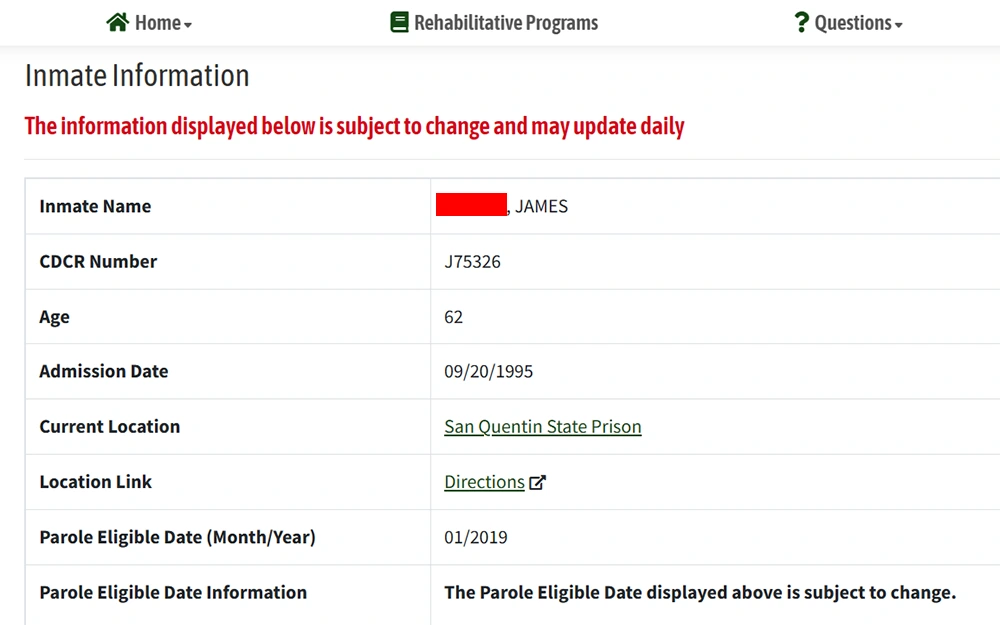
Click the inmate’s name or CDCR number to open a detailed profile. Here you’ll find additional data such as:
- Admission date
- Offense description
- Parole eligibility
- Visitation rules
- Contact information for the facility
Understanding the Information You’ll See
Not every field is crystal clear at first glance. Here are the most common ambiguities and what they usually mean:
- “Projected Release Date”: Often an estimate based on sentencing guidelines; it can shift if the inmate earns credits or faces disciplinary setbacks.
- “Safety Classification”: Ranging from “General Population” to “Maximum Security.” This influences visitation hours and mail procedures.
- “Parole Eligible”: If listed as “No,” the inmate may be serving a life term or a sentence without parole eligibility.
What to Do If the Search Returns No Results
Several reasons might explain an empty outcome:
- The person is incarcerated in a county jail, not a CDCR facility.
- They have been released recently and the database hasn’t updated yet.
- The name was entered incorrectly or with a typo.
- The individual is under federal custody.
In those cases, consider checking the county sheriff’s website for local jail rosters, or use the Federal Bureau of Prisons inmate locator for federal inmates.
Helpful Extras: Getting More Than Just a Name Match
If you need to confirm identity beyond a name, the CDCR number is the gold standard. Once you have it, you can:
- Call the facility directly and reference the CDCR number for faster assistance.
- Send mail using the proper format: Inmate Name, CDCR #XXXXX, Facility Address, CA.
- Check parole hearing dates through the California Board of Parole Hearings website.
Common Pitfalls to Avoid
Even seasoned users stumble over a few recurring issues:
- Ignoring case sensitivity: The locator isn’t picky about upper or lower case, but some older browsers might glitch. Refresh the page if nothing shows up.
- Assuming the search is exhaustive: It only covers CDCR‑managed institutions. A quick Google “county jail roster” can fill gaps.
- Overlooking privacy notices: Certain details (like exact location within a facility) are deliberately omitted for security reasons.
When to Reach Out for Direct Assistance
Sometimes the online tool just won’t cut it—especially if you’re dealing with a recent transfer or an urgent need to contact the inmate. In those moments, call the CDCR’s public information line at 1‑800‑845‑SHOW (7469). Have the inmate’s full name and any known CDCR number ready, and a representative can confirm status or point you to the right facility.
Wrapping Up: A Quick Recap
- Visit the official CDCR inmate locator page.
- Select “Name Search” and input the inmate’s name.
- Review the returned list and click for full details.
- Use the CDCR number for mail, calls, or further inquiries.
- If nothing appears, broaden your search to county or federal databases.
With these steps in mind, navigating California’s free inmate locator becomes a straightforward—if occasionally fiddly—process. Whether you’re reaching out to a family member, confirming a legal detail, or simply satisfying curiosity, the tool offers a transparent window into the state’s correctional system.