How to Verify Art with a Certificate of Authenticity
When a piece catches your eye, the excitement can quickly turn into doubt: is this truly what the seller claims? A Certificate of Authenticity (COA) is often presented as the answer, but not every COA is created equal. Below we unpack what makes a COA reliable, how to read it, and the steps you can take to protect yourself before you sign a cheque.
What Exactly Is a Certificate of Authenticity?
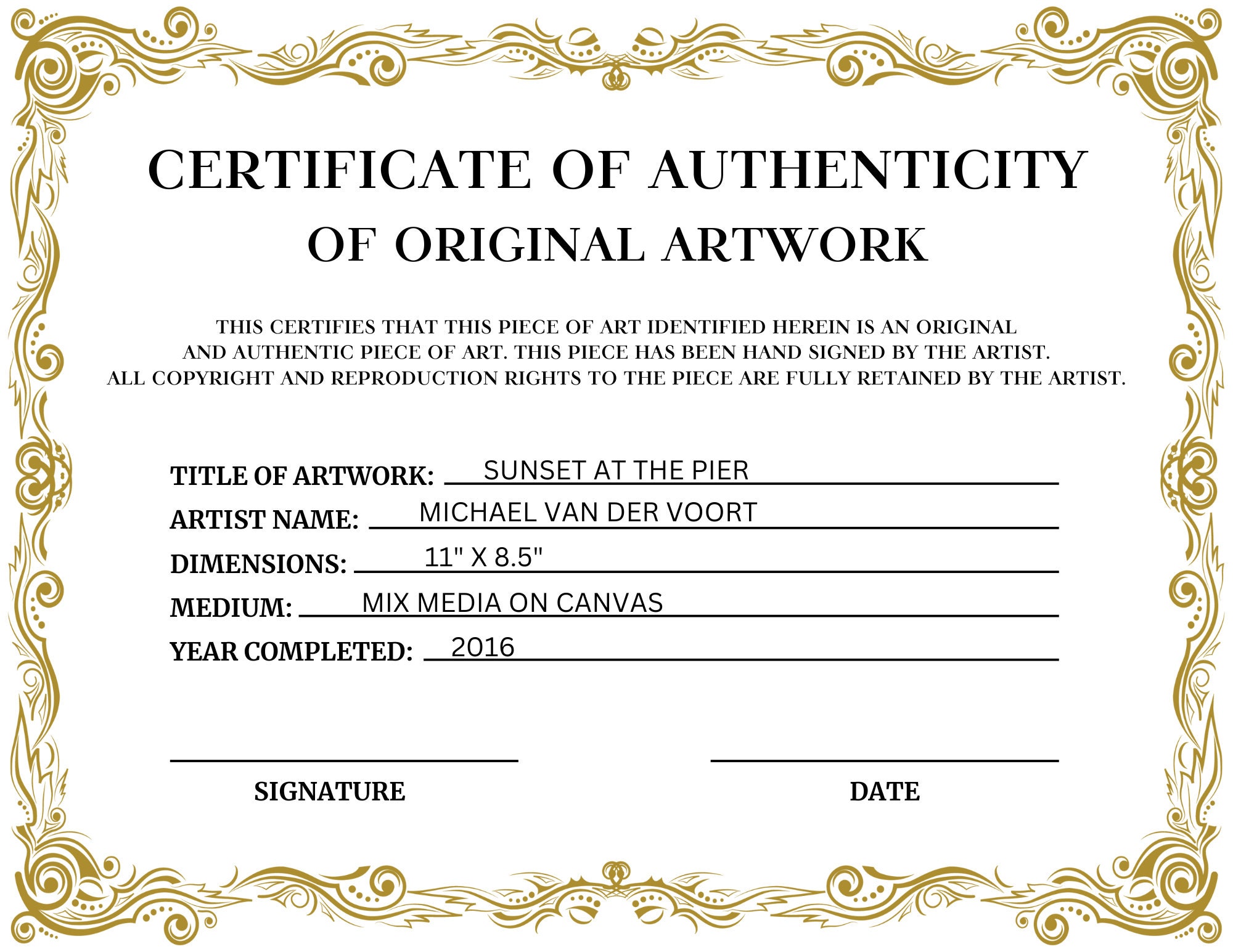
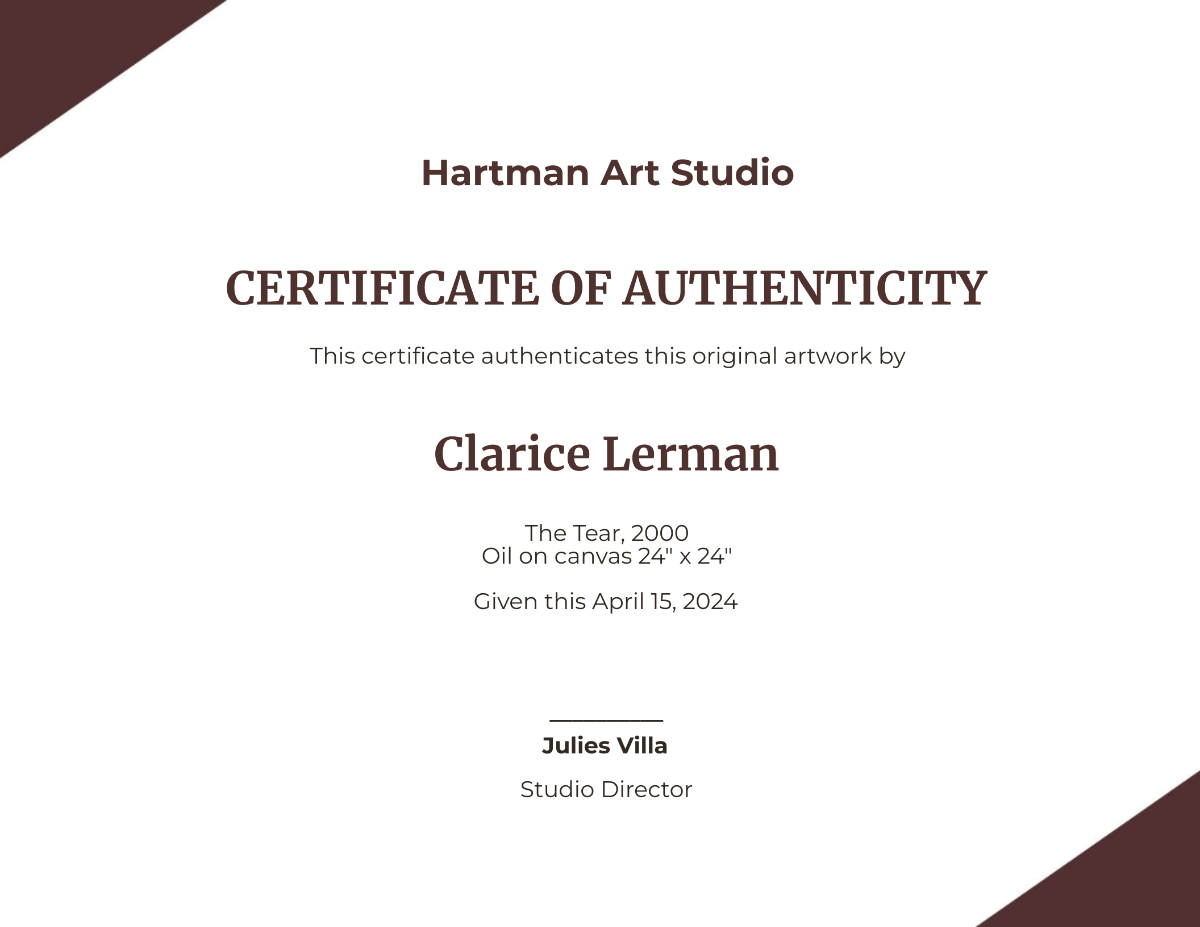
A COA is a document that affirms a work of art was created by the artist named on the piece. It typically includes:
- Artist’s full name and, in some cases, a signature or mark
- Title, medium, dimensions, and date of creation
- Edition number (for prints or multiples)
- Details about the issuing authority—gallery, studio, or a recognized authentication board
- Unique identifier such as a serial number, barcode, or QR code
When issued by a reputable source, a COA adds a layer of provenance, helping collectors trace the work’s history.
Who Should Issue the COA?
Not every dealer can produce a trustworthy COA. Look for these credible issuers:
- Artist or Artist’s Estate—directly signed documents are the gold standard.
- Established Galleries—long‑standing institutions often keep detailed records.
- Professional Authentication Boards—organizations like the International Studio & Museum Association (ISMA) or the Art Authentication Consortium.
- Reputable Auction Houses—they usually attach a COA after a thorough vetting process.
If the COA comes from an unknown website or a private individual with no track record, treat it with caution.
Key Elements to Inspect on a COA
Take a few minutes to examine the document itself. Here’s what to look for:
- Paper Quality—authentic COAs often use heavyweight, acid‑free stock.
- Print Technique—laser‑printed text with crisp edges is typical; blurry or pixelated fonts can be a red flag.
- Signature—compare the artist’s signature on the COA with known examples. Hand‑signed COAs feel different from digitally reproduced signatures.
- Serial Numbers—trace the number through the issuing body’s database, if available.
- Contact Information—a legitimate COA will list a phone number, email, or website you can verify.
Red Flags That Signal a Problematic COA
Even a well‑looking COA can be forged. Keep an eye out for these warning signs:
- Misspelled artist names or inconsistent formatting.
- Absence of a date or vague language like “circa” without justification.
- Generic phrasing such as “This work is authentic” without specifics.
- Overly glossy or laminated certificates that seem more like marketing material.
- Requests for immediate payment before you can verify the COA.
Cross‑Checking the Provenance
Authenticity isn’t secured by the COA alone. A solid chain of ownership—known as provenance—bolsters confidence. Ask the seller for:
- Previous sales invoices or auction records.
- Exhibition catalogues that list the work.
- Correspondence from the artist or their studio.
When you can line up at least two independent sources, the risk drops dramatically.
When to Bring in an Expert
If the purchase is high‑value or the COA raises doubts, it’s wise to consult a professional. Art appraisers, conservators, or specialists at reputable auction houses can:
- Conduct material analysis (e.g., pigment testing) that matches the artist’s known palette.
- Compare the work’s style and technique to authenticated pieces.
- Verify the COA against internal databases.
Their fee may seem steep, but it’s often a fraction of what you’d lose from a bad purchase.
Digital Certificates and Blockchain
Technology is reshaping authentication. Some platforms now issue digital COAs stored on blockchain—a tamper‑proof ledger. Benefits include:
- Instant verification through a QR code or wallet app.
- Permanent record that travels with the artwork, regardless of physical moves.
- Reduced risk of paper forgery.
However, the system is still emerging. Verify that the blockchain provider is recognized in the art community before relying solely on it.
Practical Checklist Before You Buy
Keep this short list handy when you’re in a gallery or viewing a work online:
- Is the COA signed by the artist, a recognized gallery, or an authentication board?
- Does the paper and print quality feel professional?
- Are all details—title, dimensions, medium, edition—accurately listed?
- Can you trace the serial number or QR code back to the issuer?
- Do you have supporting provenance documents?
- Have you consulted an independent expert if anything feels off?
Final Thoughts
Certificates of Authenticity can be powerful tools, but they’re not foolproof. By scrutinizing the document, confirming the issuer’s reputation, and cross‑checking the artwork’s history, you turn a potentially risky purchase into a confident investment. In the end, the extra diligence you invest now saves both money and heartache later.