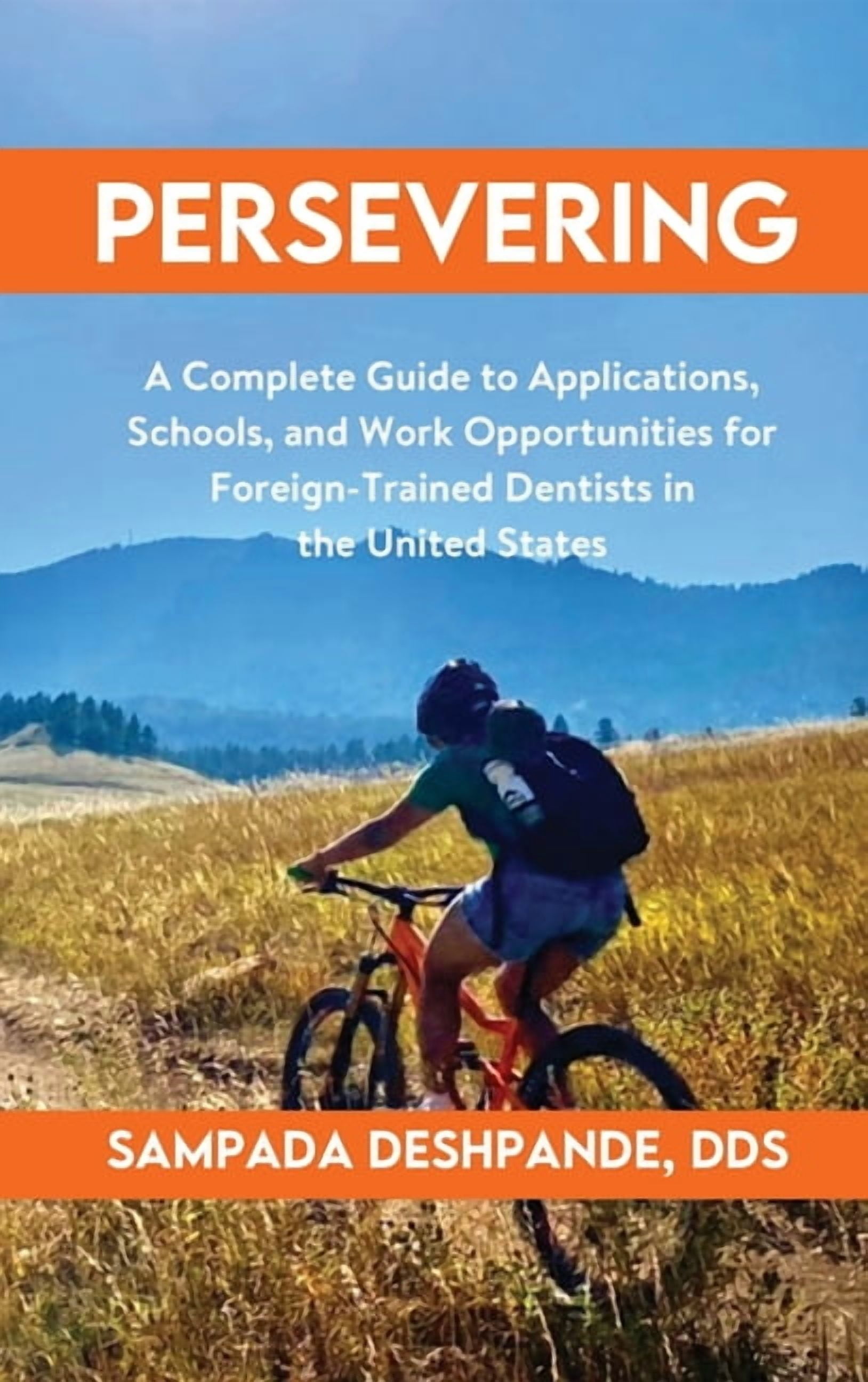
How to Work as a Foreign Dentist in Norway: A Complete Guide
Dreaming of swapping your clinic chair for a view of fjords and midnight sun? Moving to Norway as a dentist is doable, but the path isn’t exactly a straight line. Below you’ll find the steps, pitfalls, and handy tips that most newcomers discover only after they’ve arrived.
What Makes Norway Attractive for Dental Professionals?
Beyond the scenic landscapes, the Norwegian healthcare system offers:
- Competitive salaries that often outpace many Western European counterparts.
- Strong emphasis on work‑life balance, with generous vacation time.
- Continuous professional development funded by the state.
That said, the process of getting your name on the national register can feel bureaucratic, especially if you’re used to a different regulatory climate.
Key Requirements Before You Pack Your Bag
Recognised Dental Degree
Norway accepts dental qualifications from EU/EEA countries automatically. If you graduated outside that zone, you’ll need a formal assessment by the Norwegian Directorate of Health. Expect to submit:
- Original diploma and transcripts (officially translated into Norwegian or English).
- Proof of clinical training—usually a detailed log of procedures performed.
- Documentation of any specializations, if applicable.
Language Proficiency
Patient communication is non‑negotiable. Most employers require at least a B2 level in Norwegian according to the Common European Framework of Reference for Languages (CEFR). Many candidates take the Norskprøve exam; passing it demonstrates both oral and written competence.
Licence Application Process
The official route involves three stages:
- Pre‑approval: Submit your credentials to the Directorate. They’ll issue a provisional certificate if everything checks out.
- Clinical assessment: Depending on your background, you might be asked to complete a short practical exam or a supervised internship lasting 3–6 months.
- Final registration: Once the assessment is cleared, you receive a licence to practice and can register with the Norwegian Dental Association.
Timing varies, but budgeting six months to a year for the whole process is realistic.
Finding a Job – Where to Look
Unlike some countries where private clinics dominate, Norway’s public dental service (Folkehelse) employs a large share of dentists. Consider these avenues:
- Public sector: Check the Statsbygg portal for municipal openings.
- Private practices: Websites like Finn.no and industry newsletters list vacancies.
- Temporary agencies: Some firms specialize in placing foreign health professionals on short‑term contracts.
Networking still matters. Attend dental conferences in Oslo or Helsinki—these gatherings often double as recruitment fairs.
Cost of Living and Salary Expectations
Norwegian salaries for dentists average NOK 900 000–1 200 000 per year before tax. After taxes, you’ll net roughly 55‑60 % of that amount, which still translates to a comfortable lifestyle in most towns.
Living costs, however, are steep:
- Rent for a one‑bedroom apartment in Oslo: NOK 13 000–18 000 per month.
- Groceries and transport add another NOK 5 000–7 000.
Choosing a smaller city like Tromsø or Ålesund can shave rent by a third, without compromising professional opportunities.
Practical Tips for a Smoother Transition
- Start learning Norwegian early. Even a basic grasp eases everyday tasks and shows future employers you’re serious.
- Gather all documents now. Digital copies, notarised translations, and contact details for your alma mater will save you weeks of back‑and‑forth.
- Consider a dual‑track approach. While awaiting licence approval, you can work in a related field—like dental research or teaching—to stay connected to the profession.
- Know your rights. Norway has strong labor laws; familiarize yourself with contracts, pension schemes, and mandatory vacation.
Common Hurdles and How to Overcome Them
Language delays. If you’re stuck at B1, enroll in an intensive summer course; many municipalities offer free language classes for health workers.
Credential mismatches. Some curricula lack the exact modules Norway expects. In those cases, a short supplementary course (often a few weeks) can fill the gap.
Waiting periods. The bureaucracy can be slow. Keep a backup plan—perhaps a temporary stint in a neighboring Scandinavian country—so you’re not left idle.
Is It Worth It?
For many dentists, the answer is a resounding yes. The blend of high standards, solid remuneration, and an enviable quality of life makes Norway a compelling destination. Yet, the journey requires patience, language effort, and meticulous paperwork.
If you’re ready to trade a cramped office for open horizons, start gathering those translations today and book a Norwegian language class. The fjords await, and so does a rewarding dental career.

:sharpen(level=0):output(format=jpeg)/up/dt/2022/01/Irregular-dental-visits-and-deteriorating-periodontal-health-in-Denmark.jpg)