How Toyota’s Hydrogen Fuel‑Cell Car Is Shaping the Future
Why Hydrogen Matters in the Automotive World
When you hear “hydrogen” most people picture a laboratory or a rocket launch, not a daily driver. Yet the element’s high energy density and its only by‑product—water vapor—make it a surprisingly attractive fuel for cars. Unlike battery electric vehicles, a fuel‑cell sedan can refuel in under five minutes and travel as far as a conventional gasoline model. That combination of speed and range is what keeps manufacturers like Toyota exploring the technology seriously.
The Evolution of Toyota’s Fuel‑Cell Program
Toyota didn’t jump onto the hydrogen bandwagon overnight. The company’s first prototype appeared in the early 1990s, a modest proof‑of‑concept that quietly proved the basic chemistry could work under real‑world conditions. Fast‑forward three decades, and the automaker has iterated through several generations, each one addressing a specific shortfall of its predecessor.
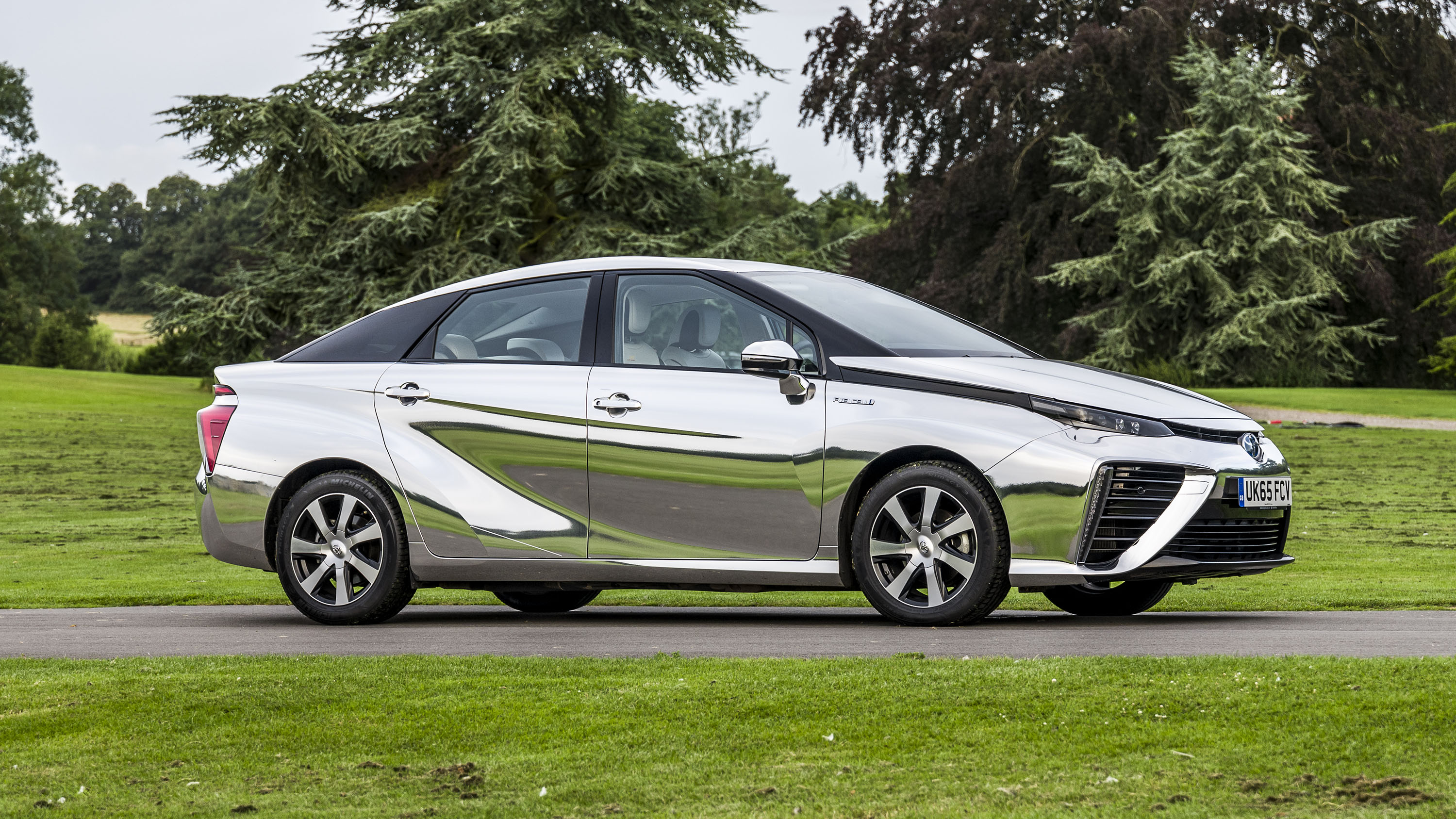
- Mirai‑I (2014): The world’s first mass‑produced hydrogen car, offering roughly 300 miles per tank.
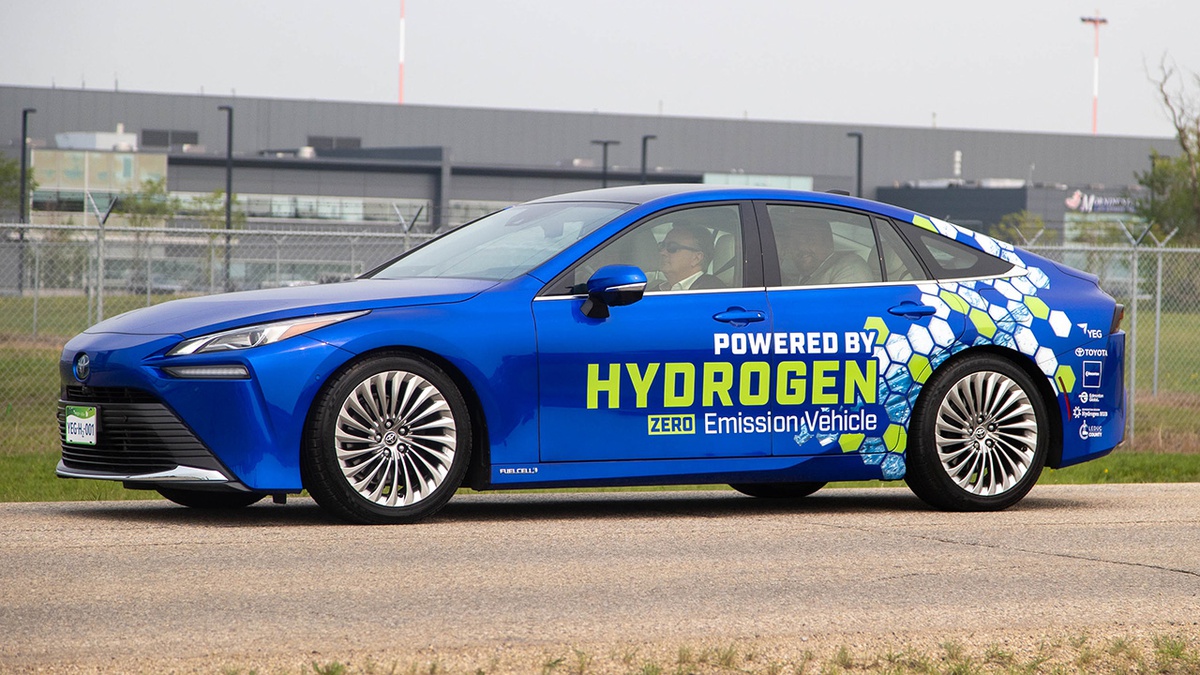
- Mirai‑II (2020): A refined powertrain that boosted range to about 400 miles and cut production costs.
- Next‑Gen Platform (in development): Expected to integrate a more compact stack, lighter materials, and a price point that finally nudges the vehicle into mainstream affordability.
What Sets the Mirai Apart?
The Mirai’s appeal isn’t just its eco‑friendly credentials. Inside the cabin you’ll find a quiet, almost electric-like driving experience, while the power delivery feels immediate—no torque lag, no gear shifts. The car also packs a suite of safety features that, in some markets, double as hydrogen‑specific sensors to detect leaks long before they become a concern.
Infrastructure: The Real‑World Hurdle
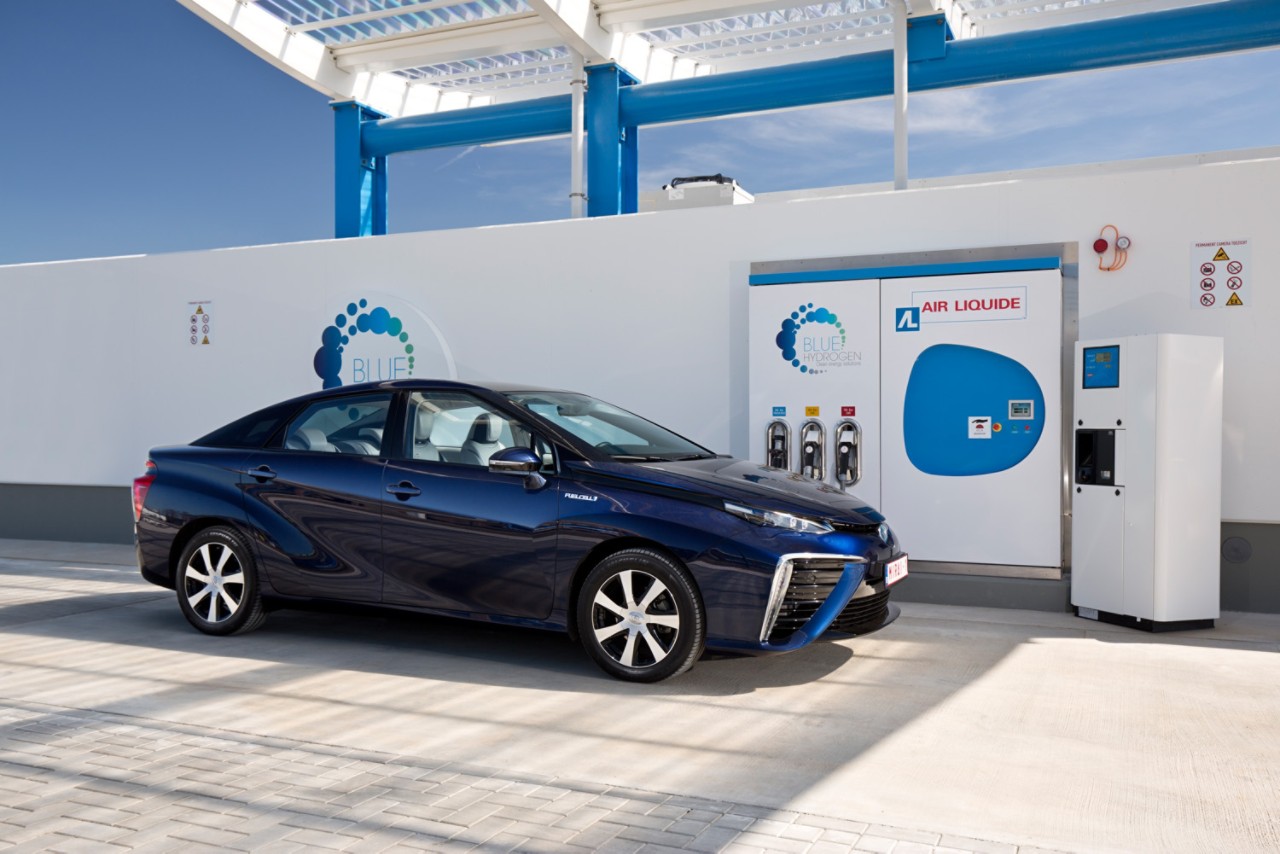
Even the sleekest fuel‑cell vehicle can’t thrive without a network of refueling stations. In Japan, where Toyota’s home base lies, hydrogen pumps are sprouting alongside major highways, supported by government subsidies and a coordinated push from several automakers. The United States lags behind; California boasts the majority of American stations, yet the distances between them remain daunting for long trips.
That said, the rollout is accelerating. Industry forecasts suggest over 500 stations could be operating worldwide by 2027, a figure that, while modest compared to electric chargers, signals a growing confidence in the technology.
Cost Considerations: From Premium to Practical?
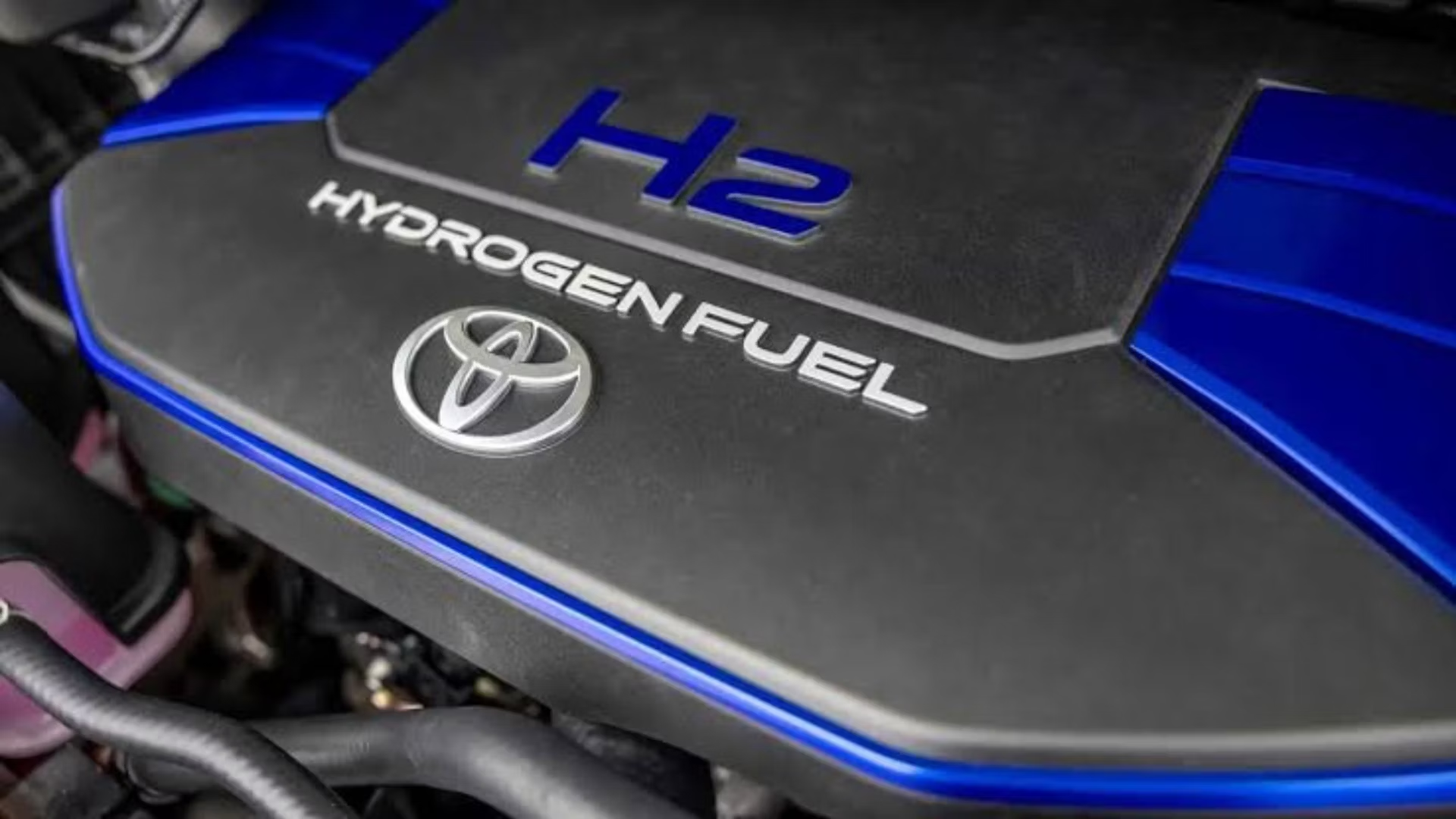
Historically, the Mirai’s price tag hovered near $60,000, a sum that placed it squarely in the luxury segment. Part of the expense stems from the precious metals—platinum and palladium—used as catalysts in the fuel cell. Researchers are making strides in reducing that reliance, exploring cheaper alternatives without sacrificing efficiency.
When you factor in fuel costs, the picture shifts. Hydrogen, when produced from renewable sources, can rival or undercut gasoline on a per‑mile basis. Add tax incentives that many governments are offering for zero‑emission vehicles, and the total cost of ownership begins to look less like a novelty and more like a viable option for the average commuter.
Environmental Impact: Beyond Zero Tailpipe Emissions
It’s easy to claim “zero emissions” and stop there, but the broader picture matters. The sustainability of a hydrogen car hinges on how the gas is produced. Currently, most hydrogen comes from natural gas—a process that releases carbon. However, green hydrogen—generated via electrolysis powered by wind or solar—holds the promise of a truly clean fuel cycle.
Toyota has pledged to source a growing share of its hydrogen from renewable projects, aligning its strategy with the broader goal of decarbonizing the whole energy chain, not just the vehicle.
Consumer Perception: Skepticism Meets Curiosity
When Toyota first announced the Mirai, the response was mixed. Early adopters praised the smooth ride and futuristic feel, while skeptics pointed out the scarcity of pumps and the high upfront price. Over time, as real‑world owners share mileage reports and maintenance experiences, the narrative is softening. People are beginning to view hydrogen as a complement—not a competitor—to battery electric cars, especially for those who need longer range or quicker refueling.
What the Future Holds for Toyota’s Hydrogen Vision
Looking ahead, several trends could tip the scales in hydrogen’s favor:
- Hybrid Powertrains: Combining a small battery with a fuel cell could deliver the best of both worlds—instant torque from the battery and extended range from hydrogen.
- Commercial Fleets: Delivery vans and buses, which run many miles daily, are ideal candidates for fuel‑cell tech, and Toyota is already testing prototypes in several cities.
- Global Partnerships: Joint ventures with energy firms are accelerating the build‑out of hydrogen production facilities, especially those powered by renewables.
Is the Mirai the Endgame?
Probably not. The Mirai serves as a stepping stone, a tangible proof that hydrogen can power a consumer vehicle safely and comfortably. As Toyota refines the stack, shrinks the packaging, and drives down costs, we may soon see a broader lineup—sedans, SUVs, even pickup trucks—running on the same clean chemistry.
Bottom Line
Hydrogen isn’t a magic bullet, but it’s shaping up to be a credible piece of the puzzle in the quest for zero‑emission transportation. Toyota’s relentless tweaking of its fuel‑cell technology, combined with a slowly expanding refueling network, suggests the “future is here” isn’t a headline grab—it’s a slow, deliberate rollout. If the trends continue, you might find yourself pulling up to a station, filling the tank in minutes, and driving off with nothing more than a faint scent of water vapor trailing behind.