Iconic NYC Street Photography: Capturing The City’s Soul
There is a specific kind of electricity that only exists on the streets of New York City. It’s not just the lights or the noise, though those are enough to overwhelm anyone new to the concrete jungle. It’s the rhythm. The chaotic, beautiful, often exhausting dance of millions of people moving with purpose. When a photographer captures this moment, they aren’t just taking a picture of a landmark. They are freezing a slice of the city’s soul.
Street photography in New York is a genre unto itself. It is raw, unfiltered, and occasionally uncomfortable. It strips away the polished postcard images of the skyline and reveals the humanity underneath. From the golden era of black-and-white journalism to the vibrant, saturated digital shots of today, the best NYC street photography tells a story about connection, isolation, and the relentless forward motion of urban life.
The Shadows Of The Golden Age
If you pull up a history of street photography, New York is the undisputed heavyweight champion. The mid-20th century gave us giants like Garry Winogrand, Henri Cartier-Bresson, and Weegee. These photographers didn’t wait for permission. They slipped into the folds of the city and watched.
Garry Winogrand is perhaps the most essential figure here. He believed the camera was a tool for exploring life, not just documenting it. His images are crowded, dynamic, and strangely composed. He captured tourists looking at each other, not the monuments. He found humor in the awkwardness of public space. When you look at his work, you don’t feel like an observer. You feel like you’re standing right there, trying to navigate the crowds on 5th Avenue.
Then there is the grit of the 1970s. This was the era of Weegee, who dragged his camera to crime scenes before the police could set up cordon tape. His photos are stark, high-contrast, and unsettling. They capture the darker underbelly of the city, the violence and the decay that coexisted with the glamour. It’s a reminder that New York has always been a city of extremes.
The Geometry Of Human Interaction
What makes New York street photography so compelling is the interplay between the human subject and the massive architecture surrounding them. The city is a grid of steel, glass, and brick. It is imposing. Yet, within that rigidity, human behavior is fluid and unpredictable.
Iconic images often feature this contrast. Think of a single figure in a bright red coat walking past a somber gray building. Or the way shadows slice across a sidewalk at noon, dividing the pavement into bars of light and dark. Photographers like Saul Leiter mastered this. He used reflections in windows to create double exposures of reality, making the city feel dreamsque and layered.
There is a intimacy in these shots, too. You see lovers arguing in subway stations. You see businessmen eating a quick sandwich in a park. You see the quiet dignity of elderly residents in Brooklyn. These moments are fleeting, lasting only a fraction of a second. But when caught, they become universal. They remind us that despite the scale of the city, it is still made of individual stories.
Natural Light And Urban Chaos
Lighting in New York is unique. The canyons of skyscrapers create steep angles of light that can be blindingly bright or plungingly dark. Street photographers here learn quickly to work with what they have. Flash photography fell out of favor in the mid-20th century, largely due to advances in film speed and lens technology, but the reliance on natural light remains.
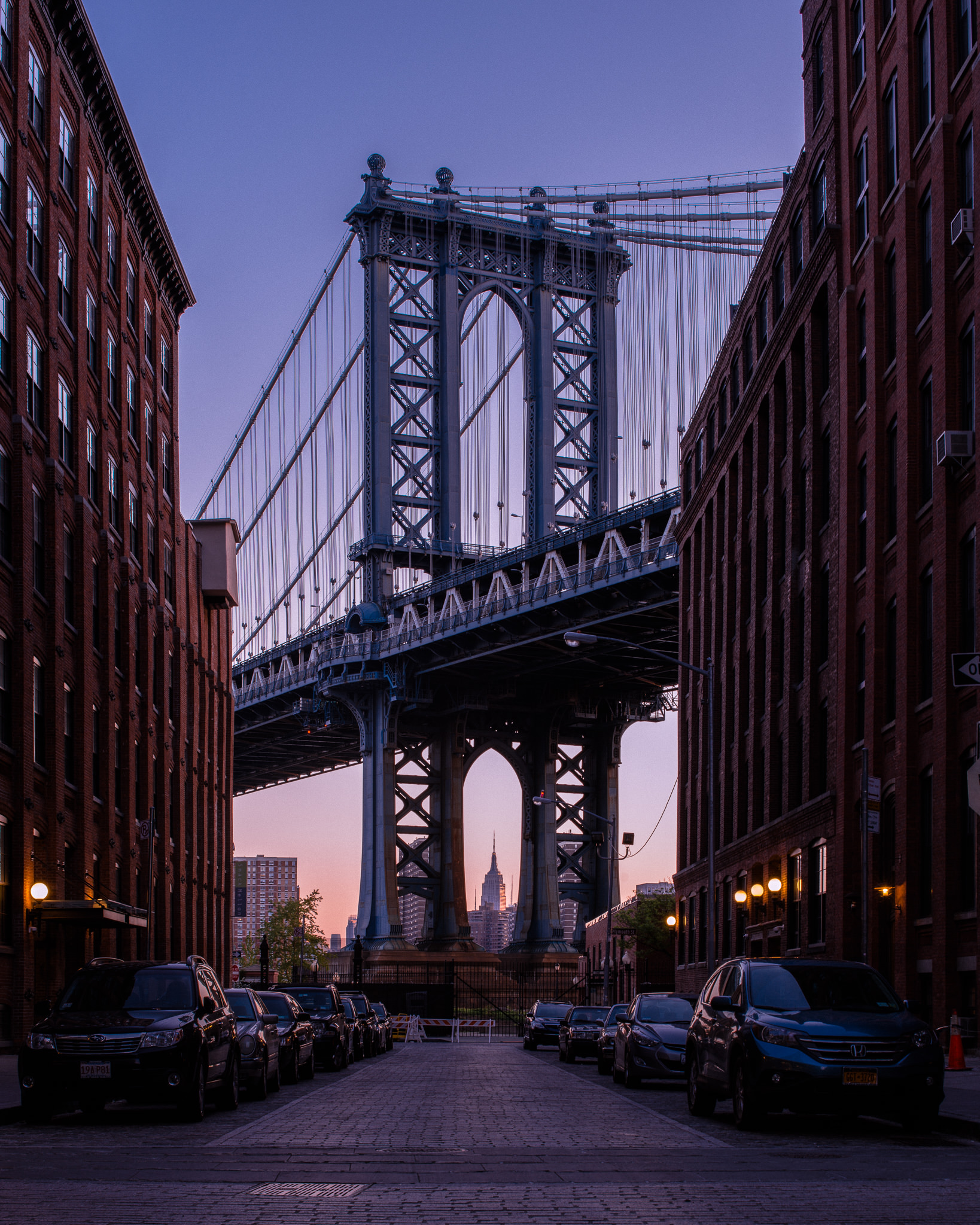
This creates a certain mood. The twilight hours, often called the "blue hour," are particularly magical. The streetlights buzz on, casting an amber glow against the deep blue of the sky. It’s a time when the city feels both dangerous and incredibly romantic. Many of the most iconic images from the last few decades were taken in this lighting.
Rain on asphalt, steam rising from grates in winter, the reflection of neon signs in puddles—these textures add depth to the visual narrative. They transform a mundane alleyway into a scene from a film noir. The chaos of the city is tamed by the photographer’s eye, organized into a composition that feels inevitable.
Modern Perspectives And Ethical Lines
Today, the landscape of street photography is different. Smartphones have democratized the practice. Everyone is a photographer now. This has changed the dynamic. Subjects are more aware of cameras. The candid moment is harder to come by.
Yet, this has also led to a more diverse range of voices. Historically, the canon of street photography was dominated by white, male perspectives. Today, photographers from all backgrounds are bringing their own viewpoints to the streets of New York. They highlight marginalized communities, explore different neighborhoods like Queens and the Bronx, and challenge traditional notions of what is "iconic."
There is also an ongoing debate about consent. Can you take someone’s photo in public without asking? Legally, in most cases, the answer is yes. Ethically, it’s more complex. Many contemporary photographers choose to engage with their subjects, creating portraits rather than stealthy snapshots. This adds a layer of connection and mutual respect that the earlier "hide behind the camera" approach lacked.
Conclusion
The soul of New York is not in its skyline. It is in the faces of the people who inhabit it. Iconic street photography captures this truth. It shows us the joy, the struggle, the boredom, and the wonder of city life. It is a record of who we are, right now, in this moment, as we rush past each other on the sidewalk. When you look at these images, you don’t just see a city. You see humanity in its most unguarded form.
Frequently Asked Questions
Who took the most famous New York street photos?
Garry Winogrand, Henry Cartier-Bresson, and Weegee are often cited as the most influential. Winogrand, in particular, is known for documenting the social fabric of NYC in the mid-20th century with a chaotic, energetic style that defined the genre.
Is it legal to take street photography in New York?
Yes, generally speaking. New York State law allows photography in public spaces without consent. However, certain federal courthouses or private properties may have restrictions. It is always respectful to ask if someone objects to having their photo taken, though you are not legally required to do so in most public areas.
What camera settings work best for street photography?
There is no single "best" setting, but many street photographers prefer a prime lens (like a 35mm or 50mm) to encourage closer engagement. A fast shutter speed (1/250th or faster) helps freeze motion in busy crowds. Aperture priority or manual mode allows for quick adjustments as lighting conditions change rapidly in urban environments.
How do modern photographers capture the "soul" of the city?
Modern photographers often focus on storytelling and context rather than just aesthetic composition. They may spend months in a specific neighborhood to build rapport and capture nuanced details. Using natural light and focusing on candid interactions between people and their environment helps convey the authentic atmosphere of the city.