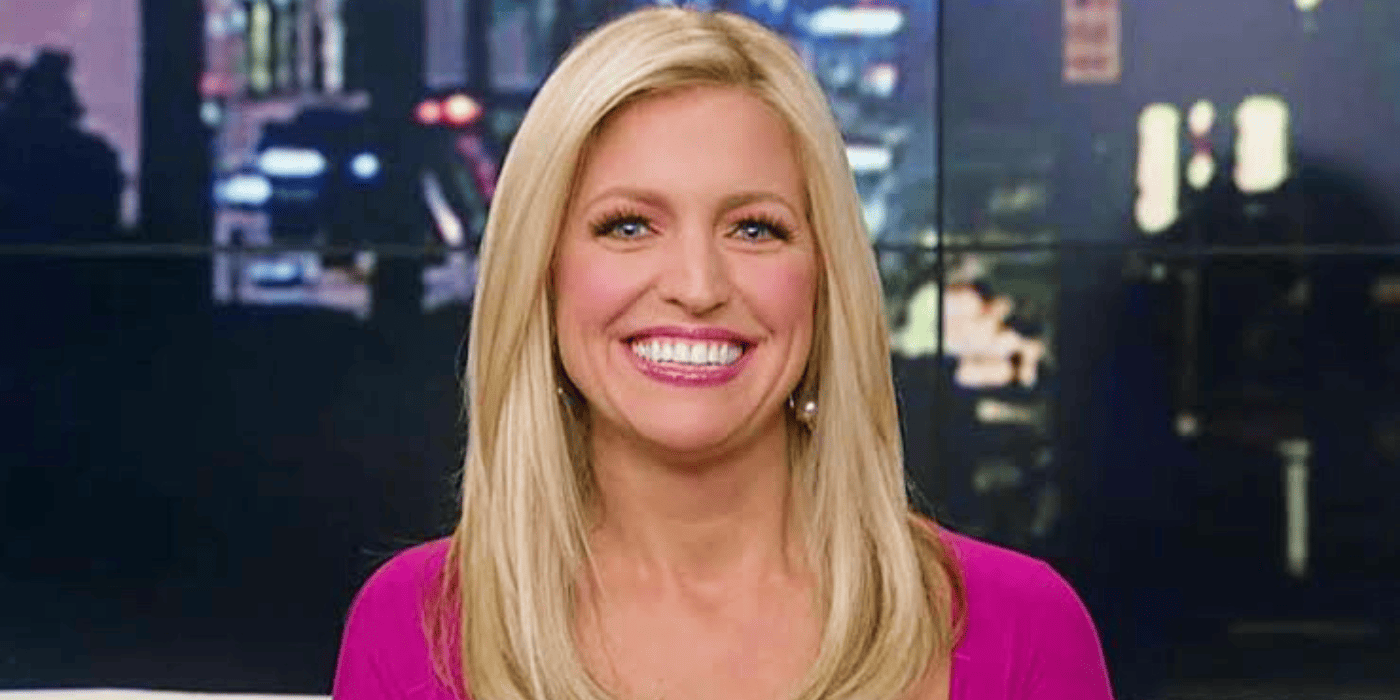
Iconic TV News Anchors Who Define Modern Broadcast
When you turn on the evening news, there’s a good chance you recognize the face behind the desk before you even hear the first headline. Those anchors become more than just presenters; they turn into cultural touchstones, shaping how we perceive the world each night. From the steady baritone of a 1970s legend to the energetic, multitasking style of today’s digital native, the evolution of TV news personalities mirrors the medium’s own journey.
The Trailblazers Who Set the Standard
Walter Cronkite, often called “the most trusted man in America,” didn’t just read the news—he made the news. His calm, authoritative delivery during the Kennedy assassination and the Moon landing helped cement the anchor’s role as a reassuring figure in moments of national crisis. Cronkite’s influence lingered long after he left the CBS desk, establishing the bar for credibility and gravitas.
Across the Atlantic, Sir Alastair Burnet pioneered the British approach. With a crisp English accent and a knack for weaving context into bullet‑point facts, he turned the nightly news into a narrative experience. Burnet’s style reminded viewers that news could be both informative and accessible, a balance many modern anchors still chase.
Prime‑Time Powerhouses of the 1990s and 2000s
In the era of 24‑hour news cycles, personalities like Peter Jennings and Dan Rather became household names. Jennings, with his measured cadence, managed to make complex international affairs feel immediate, while Rather’s gritty, investigative style embodied the growing appetite for in‑depth reporting. Both anchors proved that charisma could coexist with hard‑news rigor.
Meanwhile, female anchors began breaking through the glass ceiling. Diane Sawyer’s soft‑spoken confidence and Barbara Walters’ unmistakable interview prowess demonstrated that newsrooms were no longer a male‑only arena. Their presence opened doors for countless women who now dominate primetime slots across the globe.
The Digital Age: New Voices, New Formats
- Anderson Cooper – The CNN veteran blends traditional reporting with a personal, on‑the‑ground style. His willingness to appear on social media while covering hurricanes shows how anchors now juggle multiple platforms.
- Rachel Maddow – Though technically a commentator, Maddow’s deep‑dive approach to political stories has turned her prime‑time show into a must‑watch for viewers seeking context beyond the headlines.
- Katherine Wolfe – As a rising star on a major streaming news outlet, Wolfe exemplifies the move toward a more conversational tone, often addressing the camera directly as if speaking to a friend.
These modern figures illustrate a shift from the detached, formal demeanor of yesteryear to a more personable, interactive presence. Viewers expect anchors not only to inform but also to engage—answering questions on Twitter, joining livestream Q&As, and even sharing behind‑the‑scenes glimpses on Instagram.
What Sets a Great Anchor Apart?
Credibility remains the cornerstone, but several subtler qualities now matter just as much. A clear, resonant voice still commands attention, yet the ability to convey empathy—especially during tragedies—creates a bond that transcends the screen. Additionally, anchors who can simplify complex data without sounding patronizing often enjoy higher viewer loyalty.
Another emerging skill is adaptability. In a world where a breaking story can explode on a smartphone before the newsroom even gets the first tip, anchors who can think on their feet, switch between live footage and pre‑recorded packages, and keep composure under unpredictable circumstances are highly prized.
Regional Flavors: How Culture Shapes the Anchor
In Japan, NHK’s anchors are known for their meticulous preparation and subdued delivery, reflecting societal values of respect and precision. In Brazil, Rede Globo’s news personalities blend warmth with theatrical flair, mirroring the country’s vibrant media landscape. These regional nuances show that while the core responsibilities—delivering news accurately—are universal, the performance style often nods to local expectations.
The Future of TV News Personalities
Artificial intelligence and deepfake technology are already prompting newsrooms to reconsider authenticity. Some stations experiment with AI‑generated voiceovers for routine updates, freeing human anchors to focus on investigative work and storytelling. Yet, the human touch remains irreplaceable when a nation mourns or celebrates together.
Looking ahead, we may see anchors evolve into hybrid roles—part journalist, part influencer, part data analyst. As audiences increasingly demand interactivity, the anchor’s desk could become a command center, with real‑time polls, augmented‑reality graphics, and multilingual subtitles displayed alongside the presenter.
One thing is certain: no matter how the medium morphs, the anchor’s ability to earn trust and convey truth will remain the beating heart of broadcast news.