Inside Indonesian College Life: Challenges and Dreams
Why the campus experience matters
For many young Indonesians, university isn’t just a stepping‑stone to a career; it’s a crucible where identity, ambition, and social ties are forged. The transition from high school to a bustling campus can feel like stepping onto a different planet, especially when you consider the sheer diversity of the archipelago – students from Java, Sumatra, Bali, and beyond converge in lecture halls that buzz with dozens of languages and accents.
That cultural mosaic makes university life both exhilarating and bewildering. It’s where a student from a remote village might share a dorm room with someone from a metropolitan family, and where a fresh‑off‑the‑boat graduate can suddenly hear the hum of a startup pitch alongside a traditional “gotong‑royong” community project.
Academic pressures that keep the lights on
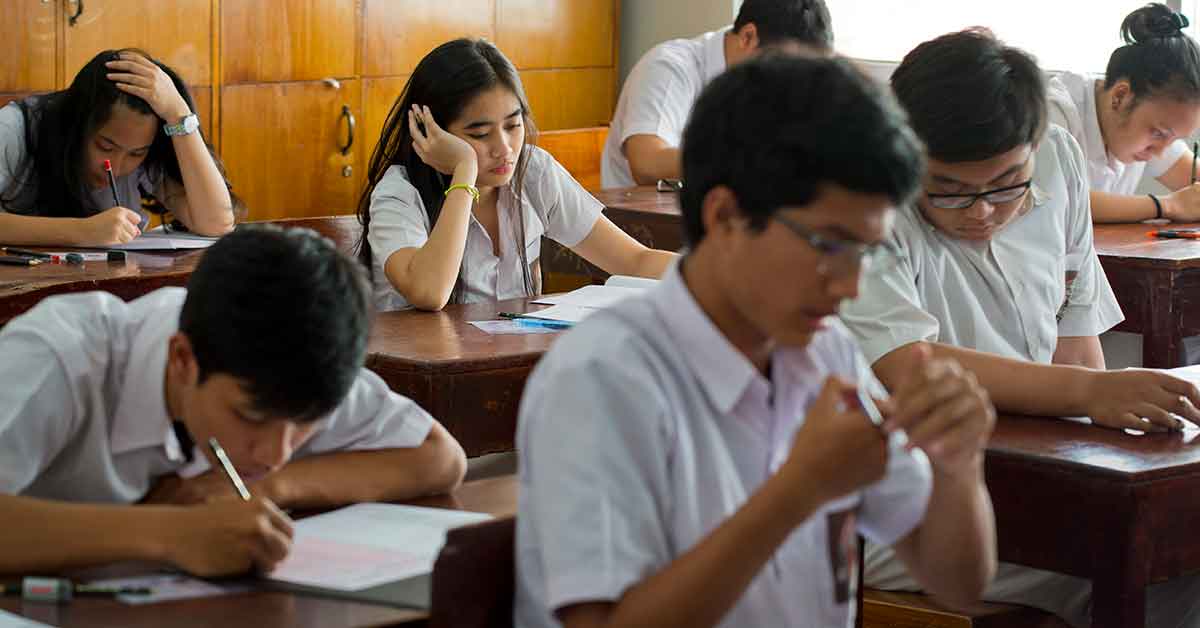
Indonesia’s higher‑education system still leans heavily on rote memorization, a legacy of colonial curricula. Lecturers often emphasize mid‑term and final exams, and a single low grade can jeopardize scholarship eligibility. Add to that the national “UTBK” (University Selection Test) anxiety that lingers long after admission, and you have a recipe for sleepless nights.
Many students supplement their coursework with private tutoring or “les privat,” especially in competitive majors like engineering, medicine, and computer science. The cost of these extra lessons can strain family budgets, prompting some to pick up part‑time jobs to keep afloat.
Balancing coursework and work
- Freelance gigs: Graphic design, tutoring, and content creation are popular among tech‑savvy students.
- Campus jobs: Library assistants, lab technicians, or event staff provide flexible hours but modest pay.
- Family obligations: In many households, students still help with chores or small family businesses, especially in rural‑origin families.
Juggling these responsibilities often means studying in the early morning or late at night, a habit that can erode mental health over time.
Financial hurdles and the quest for independence
Tuition fees vary wildly. Public universities, while cheaper, still require registration, lab fees, and occasional “sumbangan” (voluntary contributions) that can add up. Private institutions can be double or triple the cost, pushing families to take out loans or rely on scholarships that are fiercely competitive.
Living expenses compound the challenge. In Jakarta or Bandung, a modest “kos” (boarding house) can cost anywhere from IDR 1.5 million to 3 million per month. Those who move away from home also face daily travel costs, which, in a country with notorious traffic jams, can eat up both time and money.
Social life: navigating new relationships
Campus clubs and “ukm” (student activity units) serve as the main social engine. Whether it’s a gamelan ensemble, a debate society, or a startup incubator, these groups offer a sense of belonging and a break from academic grind. Yet, the pressure to join multiple groups can lead to overcommitment.
Romantic relationships also surface, often complicated by differing cultural expectations. For many, dating a fellow student is the first experience of negotiating love, family approval, and future career plans all at once.
Digital life: a double‑edged sword
Smartphones are practically glued to students’ hands. Social media platforms like Instagram, TikTok, and the local favorite, “Kaskus,” provide outlets for self‑expression and networking. However, the constant stream of curated success stories can fuel comparison anxiety, especially when peers post about internships abroad or glossy graduation photos.
On the flip side, digital tools have democratized learning. Massive Open Online Courses (MOOCs), YouTube tutorials, and peer‑to‑peer study groups on WhatsApp bridge gaps left by under‑resourced lecture halls. Many students credit these resources with helping them master complex subjects without spending extra on private tutors.
Future aspirations: dreaming beyond the degree
When asked about post‑graduation plans, the answers are as varied as Indonesia’s islands. A sizable chunk still aims for “the stable job” – positions in government agencies, state‑owned enterprises, or large corporations that promise a steady paycheck and benefits.
Yet, a growing wave of entrepreneurship is bubbling up. Startups focused on e‑commerce, agritech, and renewable energy attract students eager to solve local problems with innovative tech. Programs like “Kampus Merdeka” (Independent Campus) encourage students to spend a semester interning or building a venture, turning ideas into real‑world prototypes.
Key aspirations at a glance
- Professional stability: Secure employment in established firms or the civil service.
- Entrepreneurial impact: Launching a startup that addresses community challenges.
- Further education: Pursuing master’s or PhD programs, often overseas, to gain specialized expertise.
- Social contribution: Engaging in NGOs or community projects to give back to hometowns.
What supports are emerging
Recognizing these pressures, universities are rolling out mental‑health counseling, financial aid workshops, and career‑center services. Private foundations have also stepped in, offering scholarships that cover tuition, living costs, and even internet bundles – a lifeline for students in remote provinces.
Alumni networks are becoming more active, connecting current students with mentors who can share insider tips on navigating both the job market and the often‑opaque world of internships.
Looking ahead: a hopeful, if complex, picture
Indonesian college students today stand at the crossroads of tradition and modernization. They wrestle with outdated academic models, financial constraints, and the pull of a hyper‑connected digital world, yet they also wield unprecedented tools to shape their futures.
If institutions keep listening, adapt curricula, and expand support systems, the next generation could turn today’s challenges into stepping stones toward a more innovative, inclusive Indonesia.