Is Pseudomonas in Your Urine a Cause for Concern?
What the test actually tells you
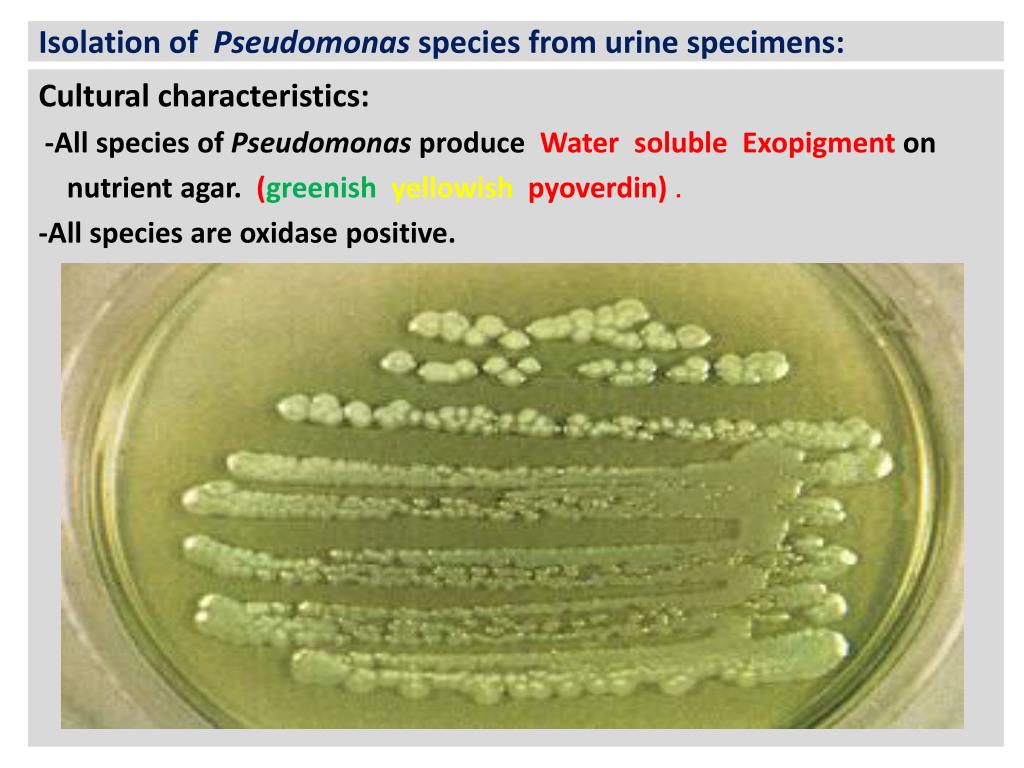
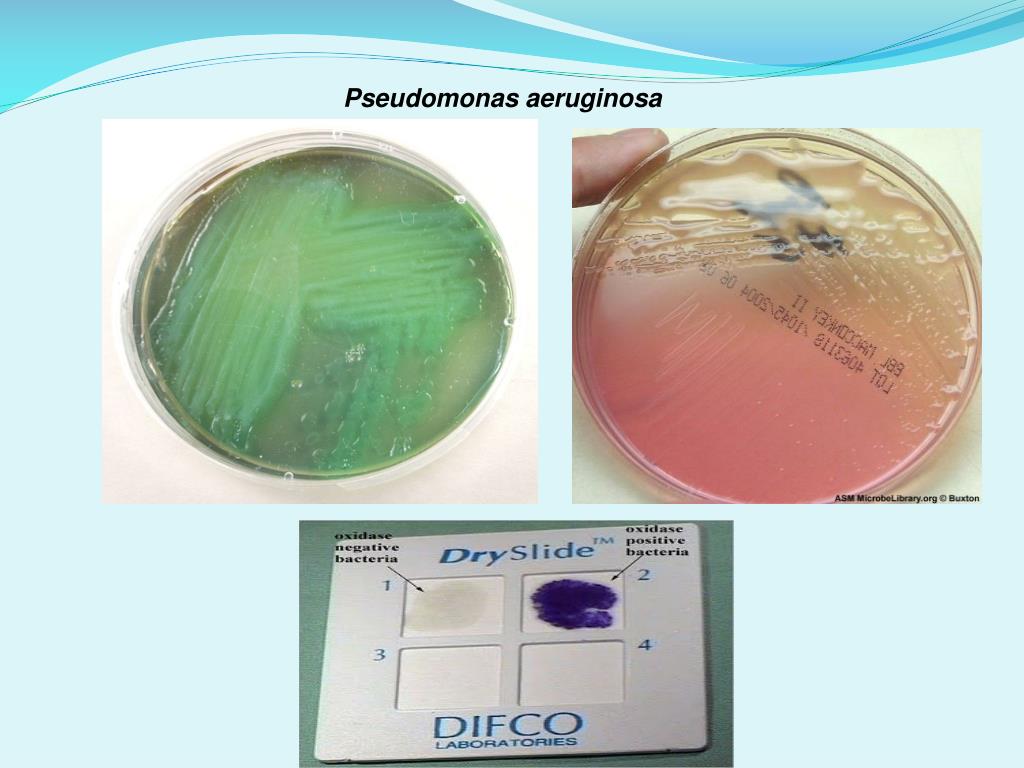
When a routine urine culture comes back with Pseudomonas aeruginosa, many patients feel a sudden knot in their stomach. The organism isn’t a household name, yet it appears regularly in hospital labs. In reality, a positive result simply means that the bacterium was present in the sample at a level the lab considers significant. It doesn’t instantly equate to a severe infection, but it does raise questions about where it came from and whether it might cause trouble.
How Pseudomonas ends up in the urinary tract
Unlike the more common culprits—E. coli or Enterococcus—Pseudomonas thrives in moist, sometimes harsh environments. It loves the plumbing in hospitals, catheters, and even the inner lining of some urinary devices. If you’ve recently had a catheter, a urological procedure, or a prolonged hospital stay, the odds of picking up this organism increase dramatically.
For community‑dwelling individuals, the picture is messier. Poor hygiene, uncontrolled diabetes, or a weakened immune system can create an opening for Pseudomonas to colonise the urethra. In such cases the bacterium may be a passenger rather than a driver of disease.
Distinguishing colonisation from infection
- Symptoms matter. Burning during urination, fever, flank pain or cloudy urine are red flags that the bacteria are actively fighting the host.
- Quantity counts. Labs usually report colony‑forming units per millilitre (CFU/mL). Counts above 105 CFU/mL in a clean‑catch sample typically signal infection; lower numbers often represent harmless colonisation.
- Risk profile. A healthy adult with no symptoms but a low‑level positive culture is unlikely to need treatment.
When the presence of Pseudomonas is dangerous
The danger lies in two main arenas: the bacterium’s intrinsic resistance to many antibiotics, and its ability to form biofilms—a slimy shield that protects it from both drugs and the immune system. In the urinary tract, especially around catheters, biofilms can seed persistent infections that recur despite standard therapy.
Patients with compromised immunity—think chemotherapy, organ transplants, or advanced HIV—are the ones most at risk for a rapid escalation from a mild cystitis to a kidney infection (pyelonephritis) or even sepsis. In those scenarios, the presence of Pseudomonas is not just a lab finding; it’s a warning sign that aggressive, targeted treatment is required.
Choosing the right antibiotic
Pseudomonas is notorious for its multi‑drug resistance. Empiric (first‑line) antibiotics that cover typical uropathogens often miss it entirely. If the lab reports susceptibility, agents such as ceftazidime, cefepime, ciprofloxacin, levofloxacin, or an aminoglycoside may be appropriate. However, susceptibility patterns differ by region, so local antibiograms are indispensable.
In the absence of clear susceptibility data, clinicians may start with a broad‑spectrum antipseudomonal beta‑lactam and then de‑escalate once results return. The key is to avoid prolonged use of powerful antibiotics without a definite need, as that fuels further resistance.
Non‑antibiotic strategies that matter
Removing the source of the bacterial habitat often does more than any pill can. If a catheter is still in place, replacing it under sterile conditions or, better yet, removing it entirely can clear the infection. Adequate hydration helps flush out lingering bacteria, and strict glycaemic control in diabetics reduces the sugar‑rich environment that Pseudomonas loves.
Some clinicians also explore bladder irrigation with antiseptic solutions, but evidence is mixed. The consensus remains: clean technique, timely catheter changes, and patient education are the most reliable defenses.
What to expect if you’re diagnosed
For most people, a positive Pseudomonas urine culture leads to a short course of oral fluoroquinolones—provided the isolate isn’t resistant. Symptoms usually improve within a few days, though the full regimen may last 7‑14 days to ensure eradication.
If you’re hospitalized, you might receive an IV antipseudomonal beta‑lactam. Monitoring kidney function is standard, as some of these drugs can be nephrotoxic, especially when combined with other meds.
Preventing future episodes
- Practice good perineal hygiene; wipe front to back.
- Stay well‑hydrated to maintain regular urine flow.
- Limit catheter use when possible, and ensure any indwelling devices are changed according to protocol.
- Control chronic conditions like diabetes aggressively.
- Report any recurring urinary symptoms to your healthcare provider promptly.
Bottom line
Pseudomonas in the urine is not a headline‑making emergency for every patient, but it is a flag that warrants attention. Whether it signals harmless colonisation or a brewing infection hinges on symptoms, bacterial load, and individual risk factors. Prompt, targeted treatment—paired with source control and preventive habits—usually keeps the organism from causing serious harm.