Key Issues In International Business: How To Turn Challenges Into Solutions
Expanding your business beyond borders feels like standing on the edge of a vast, uncharted ocean. On one hand, there is infinite potential for growth, new markets, and diversification. On the other, the waters are notoriously treacherous. You aren't just dealing with a different currency; you are navigating a labyrinth of legalities, cultural nuances, and logistical nightmares that can sink a company faster than stale product inventory.
Many entrepreneurs dive in with excitement but lack a buoyancy vest. They assume that what worked in their home country will translate seamlessly elsewhere. Spoiler alert: it rarely does. The gap between domestic success and international failure is usually bridged by how well a business anticipates the specific hurdles of global expansion.
The Cultural Iceberg
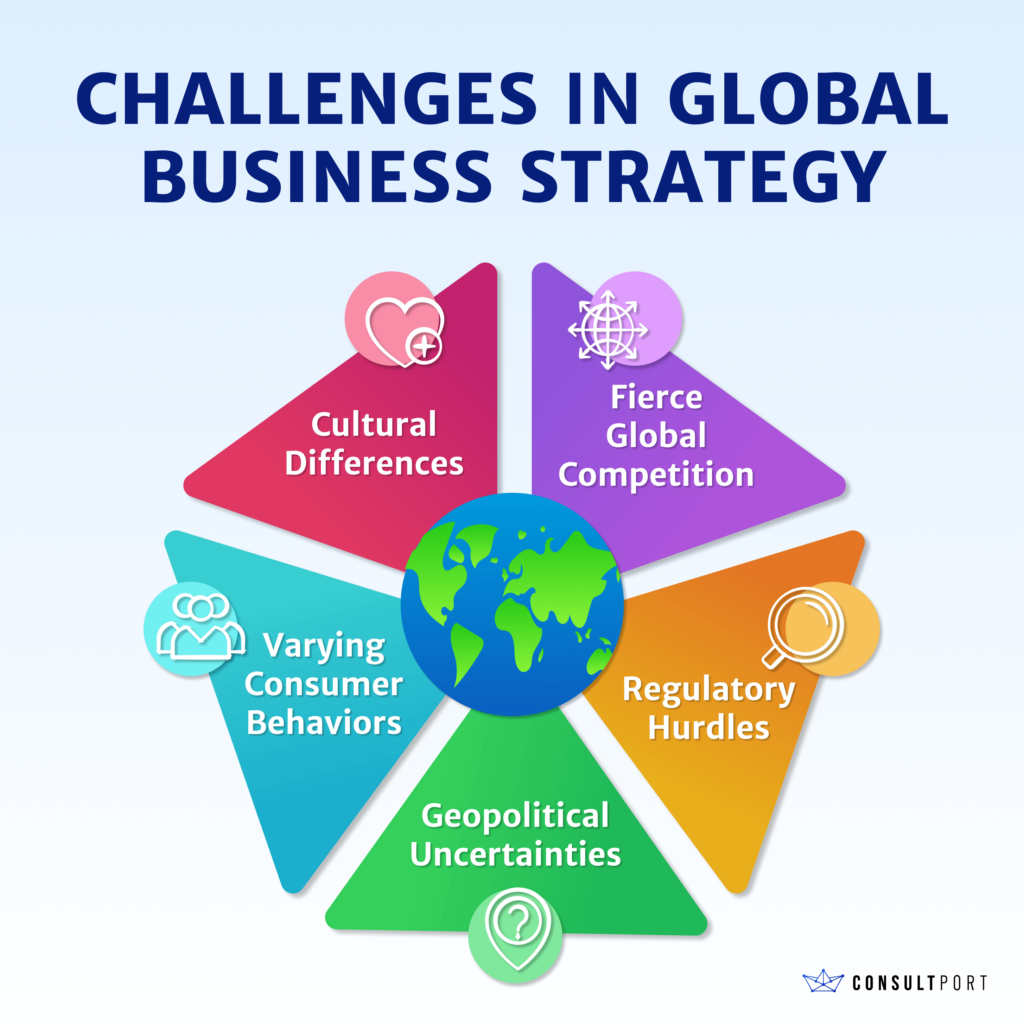
When we talk about culture in business, we often think of language or holidays. That’s just the tip, though. The real weight of culture lies beneath the surface—in communication styles, negotiation tactics, and perception of time. In some regions, a contract is a starting point for discussion. In others, it is the final word.
Misreading these signals is costly. Imagine spending months building a partnership only to realize your directness was perceived as aggression, or your silence was taken for disinterest rather than thoughtfulness. The solution isn't just hiring a translator. It requires deep cultural immersion and perhaps more importantly, local counsel. You need people on the ground who understand not just the language, but the rhythm of business in that specific locale.
One practical step is cross-cultural training for your team. But don’t rely on generic workshops. Tailor the education to the specific countries you are entering. Understand their hierarchy. Learn how they view conflict. These soft skills are actually hard currency when it comes to securing long-term relationships.
Navigating Legal and Regulatory Mazes
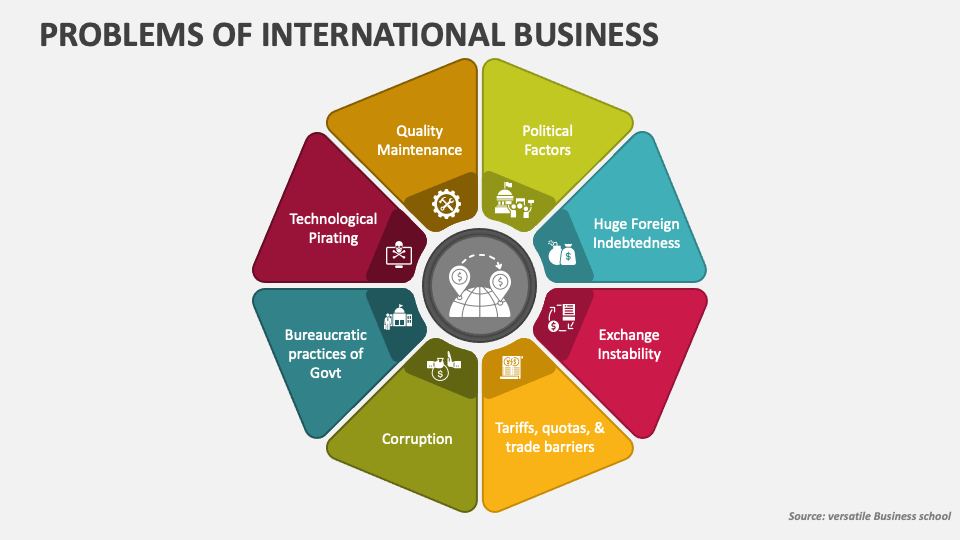
If culture is the iceberg, regulatory compliance is the minefield. Every country has its own set of rules regarding labor, taxes, intellectual property, and data privacy. The EU’s GDPR is a prime example of how data laws can ripple globally. Ignore it, and you face fines that could eclipse your annual revenue.
The complexity ramps up when you consider import/export tariffs, local hiring laws, and environmental standards. A product that is perfectly legal in one jurisdiction might be banned outright in another due to ingredient restrictions or safety certifications.
Strategies for Compliance
- Local Legal Partnerships: Don’t rely on international law firms alone. Partner with local attorneys who know the unwritten rules of the bureaucracy.
- Automated Compliance Tools: Use technology to track changing regulations across multiple jurisdictions. What changes today in tax code might affect your profit margins next quarter.
- Due Diligence: Before signing any deal, conduct thorough background checks on partners and suppliers. Corruption risks are real, and innocence is rarely an accepted defense in strict compliance audits.
The key here is proactive rather than reactive management. Waiting until you are served with a notice or detained at customs is too late. Build a compliance framework that is agile enough to adapt to new regulations as they emerge.
Logistical Headaches and Supply Chain Risks
Getting products from point A to point B sounds simple. In international business, it is an art form fraught with delays, damages, and unexpected costs. A hurricane in one part of the world can halt production in another. A strike at a major port can bottleneck your entire quarter’s sales.
Furthermore, the cost of shipping isn't static. Fuel prices, geopolitical tensions, and seasonal surges can cause rates to fluctuate wildly. If your pricing model doesn't account for this volatility, your margins will evaporate. Customers also expect transparency. If a package is lost or delayed, they want to know. If you are silent, you lose trust.
To mitigate this, diversify your supply chain. Relying on a single supplier or a single region is a risk most businesses can't afford. Develop relationships with multiple vendors in different geographic areas. This takes more upfront effort, but it provides a safety net when disruptions occur.
Additionally, invest in robust logistics software. Real-time tracking allows you to anticipate problems before they become customer service crises. If a shipment is delayed, you can proactively update the client, turning a potential negative into a demonstration of reliability.
Financial Volatility and Currency Risks
Let’s talk money. When you operate in multiple currencies, you are constantly exposed to exchange rate fluctuations. A strong dollar might make your exports expensive. A weak local currency might wipe out your profit from sales in that region. These swings can happen overnight, driven by political shifts, economic data, or speculative trading.
Banking fees also add up. Traditional wire transfers are slow and expensive. For small businesses, the administrative overhead of managing multiple bank accounts and reconciling currencies can be a management burden.
Hedging is a common strategy. Forward contracts allow you to lock in exchange rates for future transactions, providing certainty. However, hedging can be complex and costly if not managed correctly. Another option is using multi-currency payment platforms that offer competitive exchange rates and faster settlement times.
Finally, consider pricing strategies. Dynamic pricing can help adjust for currency movements, but it must be done carefully to avoid alienating customers. Transparency about fees and charges is also crucial. Hidden costs are a major reason for cart abandonment in cross-border e-commerce.
Adapting Marketing to Local Tastes
Your brand message might resonate in New York, but it could fall flat—or worse, offend—in Tokyo or São Paulo. Marketing is not a translate-and-go exercise. It requires localization. Colors, symbols, humor, and even gender roles can have vastly different meanings across cultures.
Social media platforms also vary. While Facebook and Instagram dominate the West, platforms like WeChat, Line, or VK might be essential in other regions. If you are not where your customers are, you do not exist to them.
The solution is a decentralized marketing approach. Empower local teams to create content that speaks to their audience’s specific interests and values. Use local influencers who have genuine trust with the community. Authenticity sells. Attempting to impose a rigid global brand identity often backfires because it feels invasive rather than relevant.
Tesla, for instance, adjusts its charging infrastructure messaging based on local energy grids and environmental concerns. Apple localizes its app store and customer support. These giants understand that global reach requires local relevance. Small businesses can do the same by focusing on community engagement rather than broad, generic advertising.
International business is challenging, yes. But these challenges are not insurmountable. They are simply filters that separate the prepared from the reckless. By respecting cultural differences, navigating legal complexities with expertise, securing your supply chain, managing financial risks, and localizing your marketing, you transform obstacles into competitive advantages. The global market is noisy, but those who listen—and adapt—will find their voice.