Master the English Alphabet: A Beginner's Guide
If you’re looking to learn English ABCs, you’ve come to the right place. The alphabet is the backbone of every word you’ll ever read, write, or speak in English, yet many beginners treat it as a mere memorization task. In reality, understanding the shape, sound, and rhythm of each letter opens the door to confident pronunciation and smoother reading.
Why the Alphabet Matters More Than You Think
Most language courses start with the letters because they are the building blocks of phonics. Each letter (or letter combination) corresponds to a specific sound, and those sounds blend to form words. When you grasp the ABCs early, you’ll find spelling patterns less intimidating and decoding unfamiliar words far quicker.
Moreover, the English alphabet carries cultural clues. Capital letters signal the start of sentences or proper nouns, while lower‑case forms often indicate more casual usage. Recognizing these visual cues helps you navigate everything from textbooks to text messages.
Step‑by‑Step Strategy to Memorize the Letters
Rather than cramming 26 symbols in one sitting, break the task into manageable chunks. Here’s a practical roadmap:
- Group by shape: Notice that C and G share a similar curve, while L and T are straight lines.
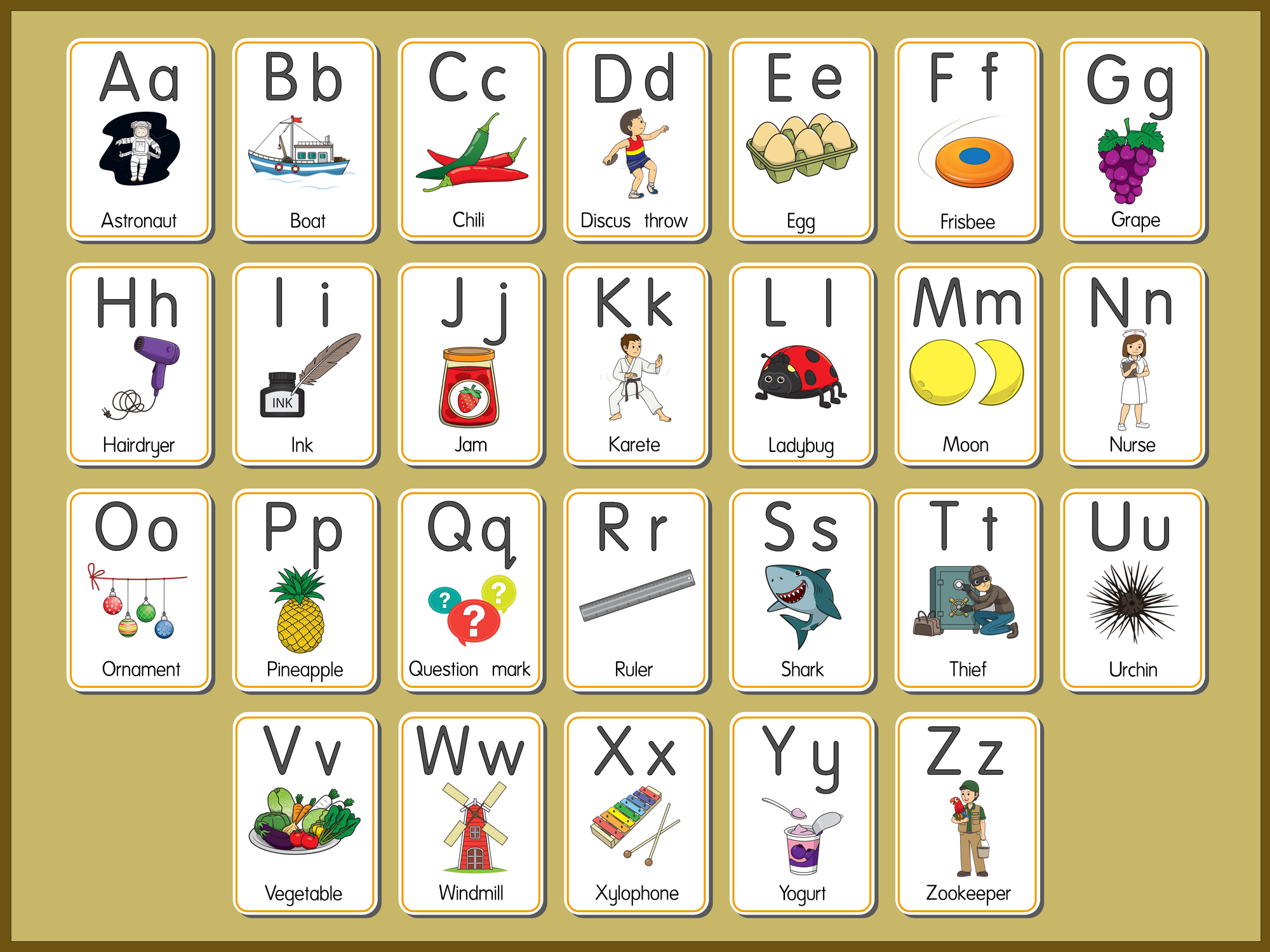
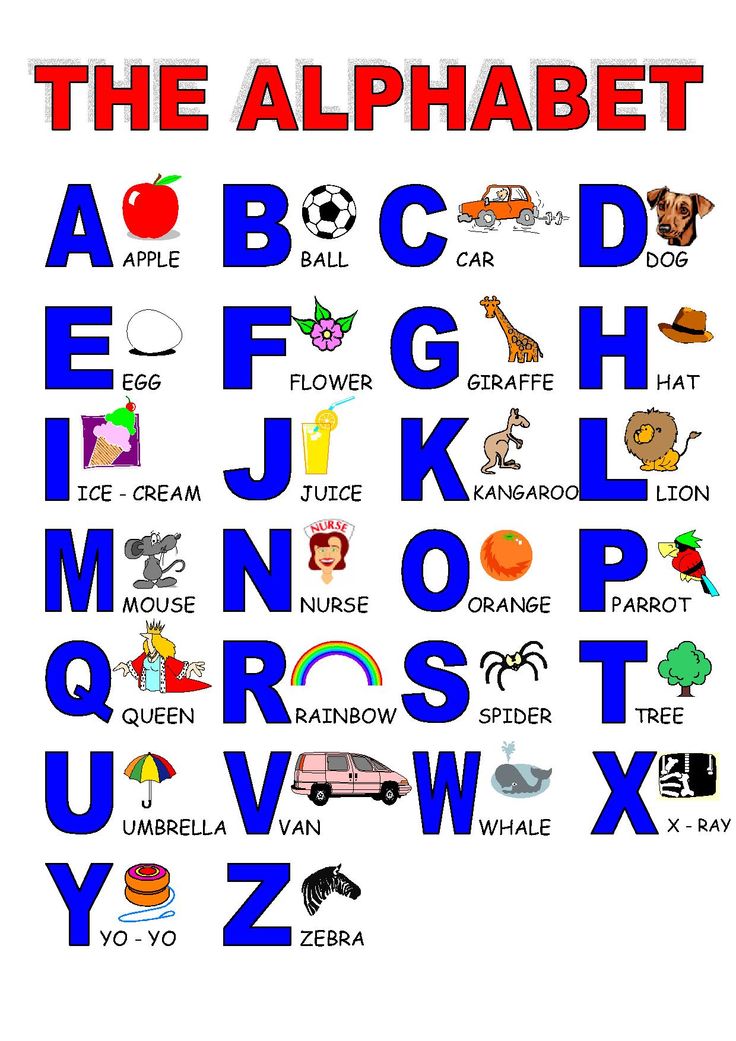
- Pair with familiar words: Associate A with “apple,” B with “ball,” and so on. The image‑word link reinforces memory.
- Sing a song: The classic “Alphabet Song” sets the letters to a simple melody, making recall almost automatic.
- Write, say, repeat: For each letter, write it in both cases, say its name aloud, then pronounce a sample word.
By rotating through these activities daily, the alphabet shifts from a static list to an active part of your language toolbox.
Pronunciation Tips for Each Letter
English can be tricky because many letters have multiple sounds. Below are the most common pronunciations to watch out for:
- A: /æ/ as in “cat,” but also /eɪ/ in “cake.”
- E: /ɛ/ in “bed,” yet /iː/ in “see.”
- G: hard /g/ in “go,” soft /dʒ/ in “giant.”
- Y: consonantal /j/ as in “yes,” vowel‑like /aɪ/ in “my.”
Practice each sound with a mirror: watch how your mouth moves for the “th” in TH versus the “t” in T. Small adjustments in tongue placement make a noticeable difference.
Common Pitfalls and How to Avoid Them
Beginners often stumble on a few recurring issues:
- Confusing similar shapes: M vs. N. Trace the letters slowly, feeling the extra diagonal stroke in “M.”
- Skipping lower‑case practice: Uppercase letters are easier to spot, but everyday reading relies on lower‑case. Write both forms side by side until they feel equally familiar.
- Assuming one sound per letter: Remember that “C” can sound like /k/ in “cat” or /s/ in “city.” Context matters.
When you notice an error, pause and isolate the troublesome letter. Say its name, watch its shape, then produce its sound before moving on.
Engaging Activities to Reinforce Learning
Learning is more effective when it feels like play. Try these quick exercises whenever you have a few spare minutes:
- Alphabet scavenger hunt: Look around your room and label objects that start with each letter.
- Letter swap: Write a short sentence, then replace every noun with a word that begins with the same initial letter.
- Flashcard challenge: Use physical cards or a phone app; flip quickly and shout the letter and its sound.
Even a five‑minute session each day builds neural pathways that turn the alphabet into second nature.
Resources You Can Trust
There’s a wealth of free tools online, but quality matters. Here are a few vetted options:
- Phonics Hero: Interactive games focused on letter sounds and blending.
- BBC Learning English – Alphabet: Short videos with clear pronunciation guides.
- Handwriting Practice PDFs: Printable sheets for both cursive and print styles.
Pair these digital aids with a physical notebook for a balanced approach.
FAQ
What’s the fastest way to remember the order of the English alphabet?
Most learners find the melody of the Alphabet Song unbeatable. Singing the tune repeatedly embeds the sequence in your memory far quicker than rote repetition.
Do I need to learn the alphabet before tackling basic vocabulary?
While you can start with simple words, knowing the ABCs speeds up spelling and pronunciation, reducing frustration as you expand your lexicon.
How long does it typically take to feel comfortable with the English ABCs?
For most beginners, consistent daily practice of 10‑15 minutes leads to confidence within a few weeks. Consistency beats marathon sessions.
Can I use the same techniques for other alphabets, like Spanish or French?
Absolutely. The core ideas—grouping by shape, pairing with familiar words, and using music—translate well across languages, though you’ll need to adjust for unique sounds and accent marks.