Mazda Vision Coupe: The Bold Leap into Intelligent Design
Mazda has never been a carmaker that chases trends blindly. While others jumped headfirst into autonomous driving or clumsy electric styling, the Japanese manufacturer took a step back. They wanted to refine the essence of driving. The Mazda Vision Coupe concept, unveiled recently, isn't just a prototype. It is a clear signal of where the brand is heading. It bridges the gap between the brand’s celebrated "Kodo" design language and a sustainable, interior-focused future. For enthusiasts worried that Mazda might lose its soul to electrification, this concept serves as a reassuring, yet radical, manifesto.
The Vision Coupe doesn’t look like a typical concept car. Many modern concepts feel like science fiction projections, laden with screens and alien geometries that never make it to production. This one feels grounded. It feels like a car you could actually buy, perhaps three or four years from now. It captures the spirit of the MX-5 and the CX-90 but pushes the envelope on aesthetics and ergonomics. If you love the idea of a car as an extension of the driver, this concept deserves a closer look.
A Design Philosophy: Kodo Evolution
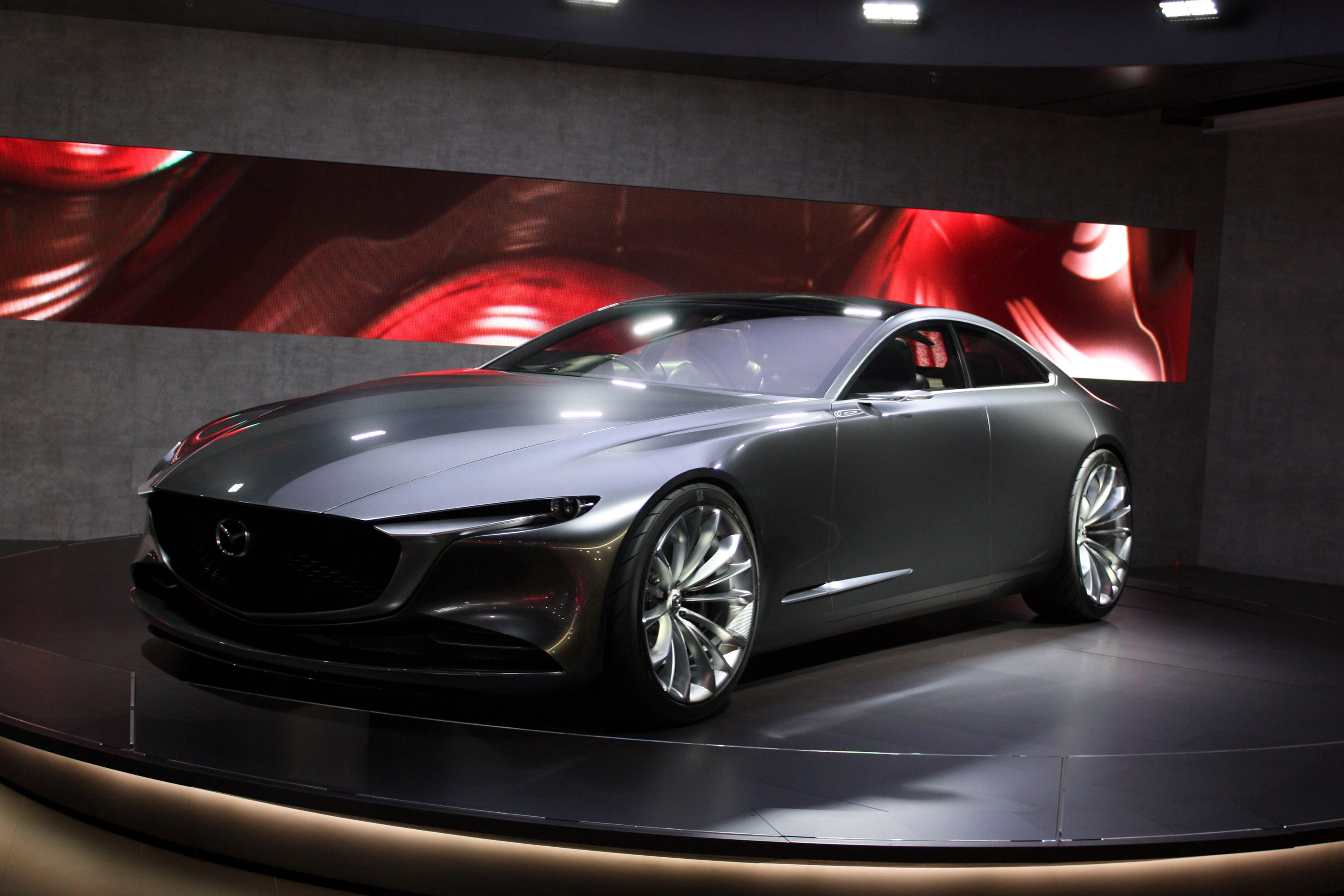
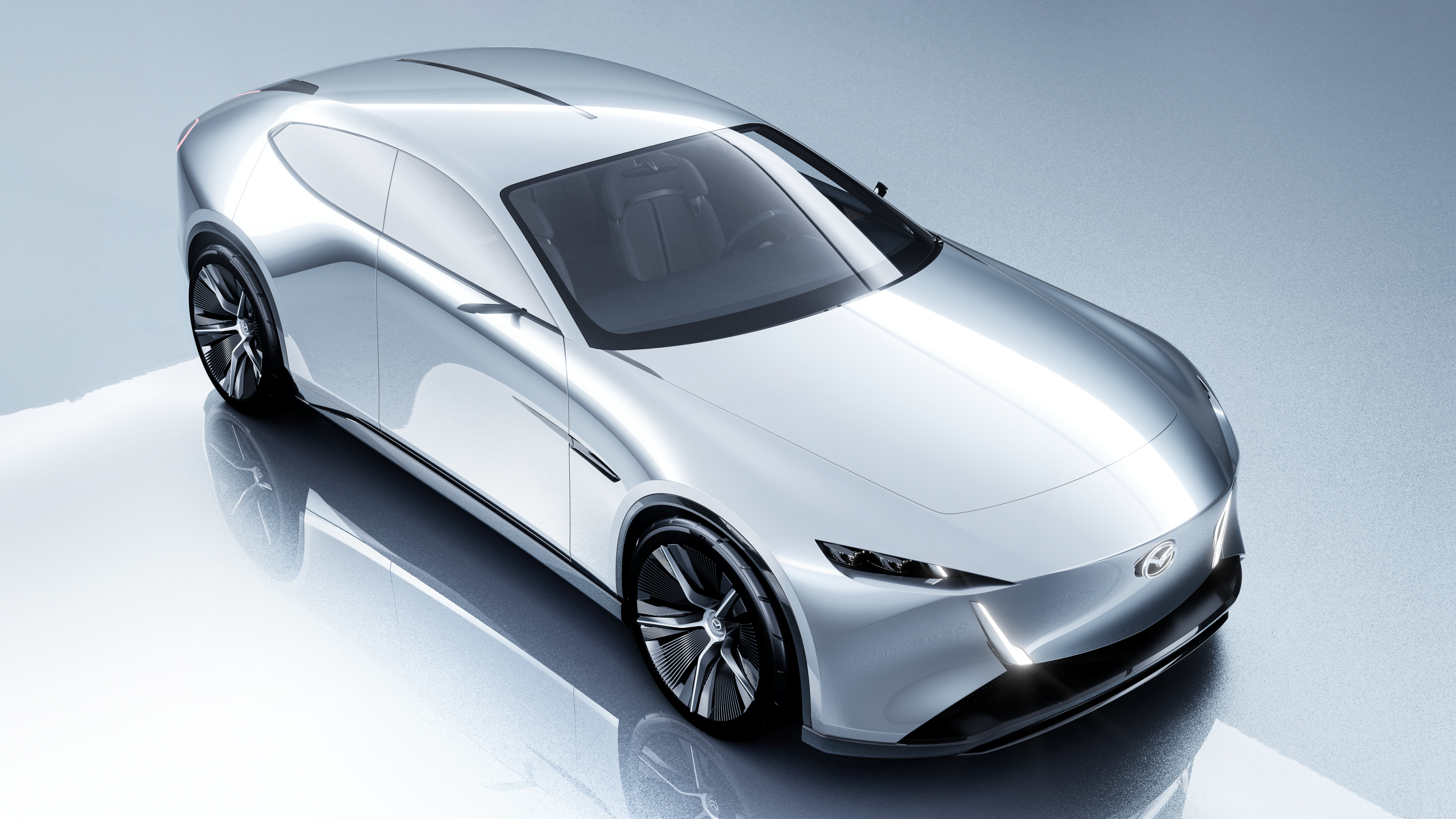
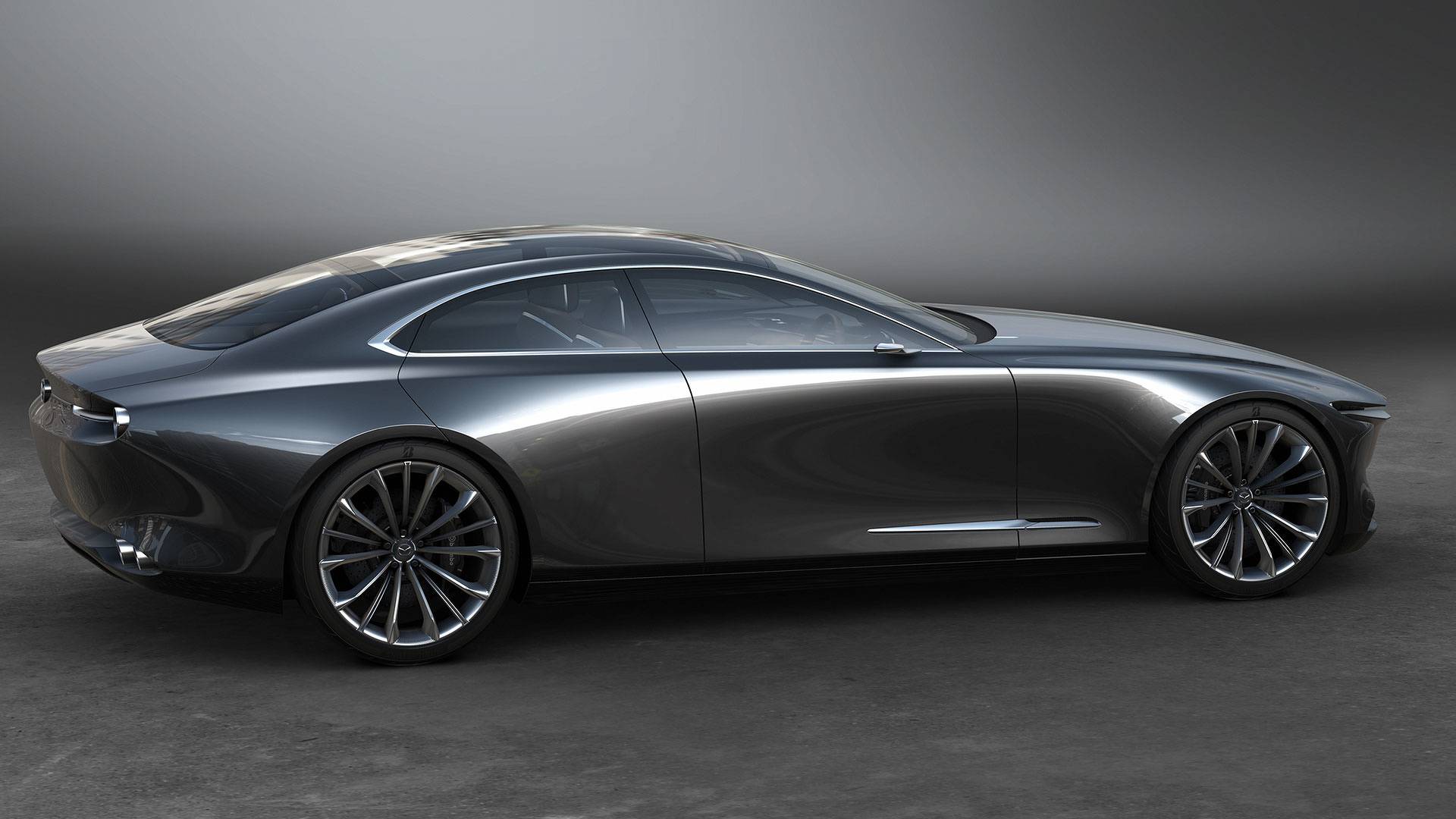
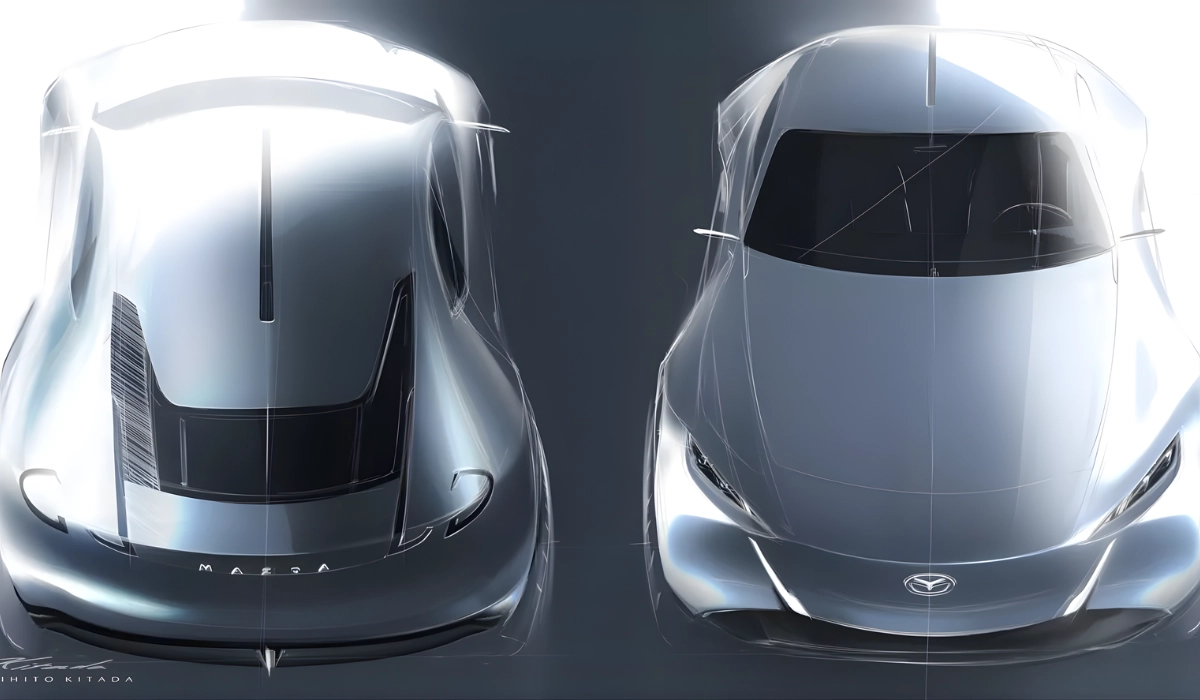
The exterior immediately announces its lineage but with a cleaner, sharper edge. The "Kodo" design language, which means "Soul of Motion," has been around for a while, but here it feels more mature. The cabin appears to float above the wheel arches, creating a sense of lightness despite the vehicle's substantial presence. The rear end is particularly striking, featuring a clean, horizontal line that tapers down to the ground. It’s aggressive without being ostentatious.
Notice the absence of sharp, angular creases that plague many modern SUVs. Instead, Mazda uses smooth, flowing surfaces that reflect light dynamically. This isn't just about looking good in photos. It’s about aerodynamics and visibility. The pillars are slender, maximizing the glass area and reducing blind spots. The headlights are slim and expressive, mimicking the vehicle’s eyes, which adds a layer of anthropomorphism that Mazda designers have always prized. It feels alive, even when parked.
Inside the Cabin: Focus on Connection
If the exterior is about motion, the interior is about connection. This is where the Vision Coupe truly breaks new ground. Mazda has moved away from the dashboard-as-screen paradigm that Tesla and others pushed. Instead, they emphasize a connection between the driver, the passenger, and the environment. The steering wheel is the command center, but it’s minimalist. Controls are tactile, physical, and placed intuitively.
One fascinating detail is the augmented reality (AR) head-up display. It doesn’t just show speed and navigation; it projects information into the driver’s field of view seamlessly. Imagine seeing navigation arrows painted on the road ahead or hazard warnings highlighted directly in your vision. It reduces cognitive load. You don’t look down; you look forward. This technology feels less like a gadget and more like a helpful co-pilot.
The materials used are another highlight. Mazda has long been praised for its interior quality, often rivaling luxury brands at a lower price point. The Vision Coupe uses sustainable, organic materials. Think recycled plastics that feel like soft-touch leather and wood accents sourced responsibly. It creates an atmosphere that is warm and inviting, rather than cold and tech-heavy. It’s a sanctuary from the digital noise outside.
Features That Matter: Less Is More
In an era of feature bloat, the Vision Coupe opts for restraint. You won't find a dozen unnecessary buttons or a tablet-sized screen dominating the center console. The infotainment system is present but integrated. It serves the driver, not the other way around. The focus is on "intelligent" features that anticipate needs rather than requiring constant input.
Key technological highlights include:- Augmented Reality HUD: Projects critical data onto the windshield for minimal distraction.
- Sustainable Material Usage: High-quality, eco-friendly textures that age well.
- Tactile Controls: Physical knobs and switches for essential functions like climate and audio.
- Lightweight Architecture: A skateboard platform that maximizes interior space while maintaining athletic proportions.
This approach suggests a future where cars are smart but not overbearing. The technology works in the background, enhancing the drive rather than defining it. It’s a refreshing change from the current trend of turning cars into living rooms with wheels.
The Future: Production Reality and Impact
Does a production model exist? Not yet, at least not in this exact form. Mazda has stated that the Vision Coupe represents a "next-generation" design direction. It’s likely that these design cues will appear on upcoming SKYACTIV EV models. The concept’s mission-driven design strategy emphasizes safety, connection, and sustainability.
The broader industry impact is significant. Mazda is proving that electrification doesn't mean sacrificing design or driving pleasure. While competitors are all about range anxiety and charging speeds, Mazda is focusing on the emotional connection. The Vision Coupe suggests that the future of Mazda cars will be quiet, efficient, and beautifully designed. It’s a bold stance in a market dominated by tech giants.
Final Thoughts on the Vision
The Mazda Vision Coupe is more than a concept car. It’s a statement. It tells us that Mazda intends to lead with design and human-centric technology rather than following the herd. Whether you are a long-time fan or a newcomer, this concept offers a glimpse of a future where cars remain engaging, beautiful, and meaningful. It’s not just about getting from point A to point B. It’s about enjoying the journey.
Frequently Asked Questions
Will the Mazda Vision Coupe go into production?
Not in its exact concept form. However, Mazda has confirmed that its design language and interior philosophy will heavily influence their next generation of vehicles, including upcoming electric models under the SKYACTIV EV banner.
What is the "Kodo" design language?
Kodo means "Soul of Motion" in Japanese. It is Mazda’s design philosophy that focuses on capturing the moment just before movement, using smooth, flowing lines and minimalist aesthetics to give vehicles a dynamic, alive appearance.
How does the Vision Coupe handle technology?
It prioritizes an augmented reality head-up display and tactile controls over large touchscreen interfaces. The goal is to reduce driver distraction and maintain a strong connection between the driver and the road.
Is the Vision Coupe electric?
The concept showcases a sustainable, lightweight architecture typical of Mazda’s future electric vehicles. While specific powertrain details vary by production model, the platform is designed to accommodate efficient, electrified propulsion systems.