Mini Cooper S: 2‑Door or 4‑Door – Which Suits You Best?
Understanding the Core Differences
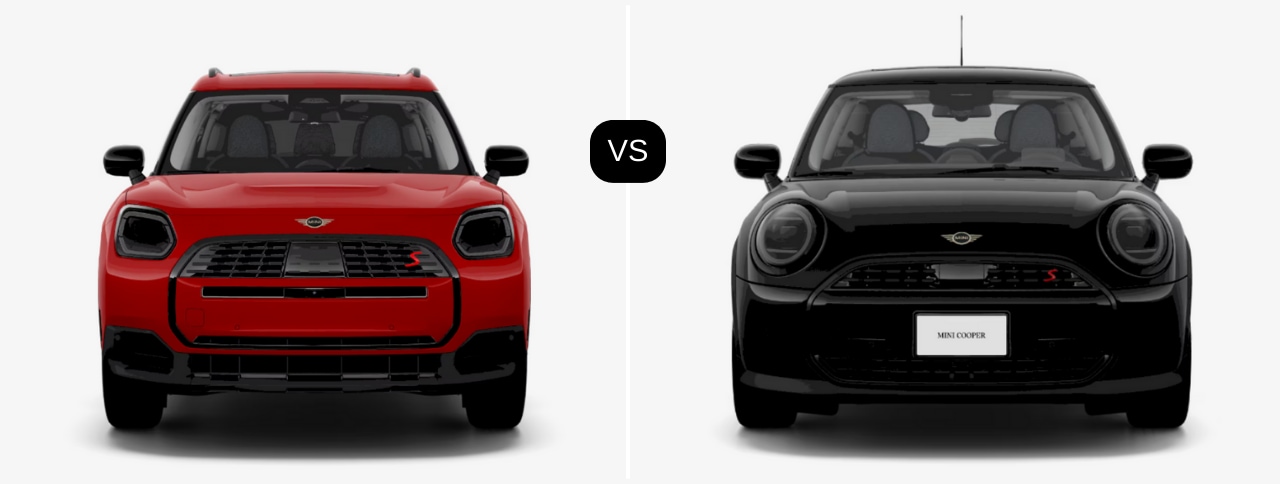
When you hear “Mini Cooper S 2‑door vs 4‑door,” the first thing that comes to mind is the trade‑off between pure sportiness and everyday practicality. Both models share the turbocharged 2.0‑liter engine, the iconic rounded silhouette, and the same chassis tuning, but their body styles diverge in ways that affect cabin space, handling nuances, and even resale appeal. Knowing where those divergences lie helps you decide which version aligns with your driving habits and lifestyle.
Performance and Driving Feel
The 2‑door hatch is often touted as the more “purer” Mini experience. Its shorter wheelbase—about 2.5 inches less than the 4‑door—means a tighter turning radius and a slightly more eager response to steering inputs. On twisty city streets or a weekend track day, that compactness translates into a feeling of being glued to the road.
The 4‑door, while carrying the same 228‑horsepower engine, adds a bit of length and weight. The extra rear doors and a marginally longer rear overhang soften the chassis just enough that the car feels a touch more stable at higher speeds. In everyday commuting, the difference is subtle; you’ll still hear that characteristic Mini turbo whine and enjoy brisk acceleration, but the 2‑door’s jittery edge is a little more pronounced.
Practicality and Everyday Use
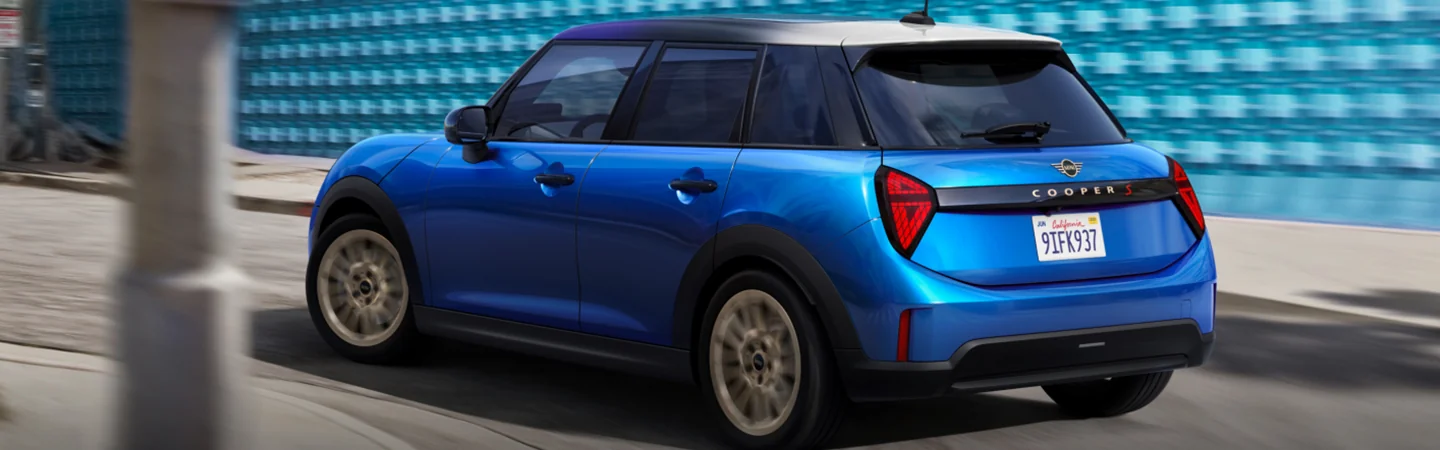
If you regularly haul groceries, sports gear, or occasionally need to seat a child, the 4‑door wins hands down. The rear doors open wider, granting easier ingress for passengers and making it less of a contortion act to load bulky items into the cargo area. The rear seat headroom also benefits from the elongated roofline, which can be a decisive factor for taller adults.
The 2‑door, by contrast, sacrifices rear‑seat convenience for a sleeker roofline. It’s still a functional hatchback—you can fold the rear seats down for a respectable cargo length—but squeezing in a car seat or reaching back for a suitcase requires a bit more choreography. For single drivers or couples without regular rear‑seat passengers, that compromise may feel negligible.
Styling and Personality
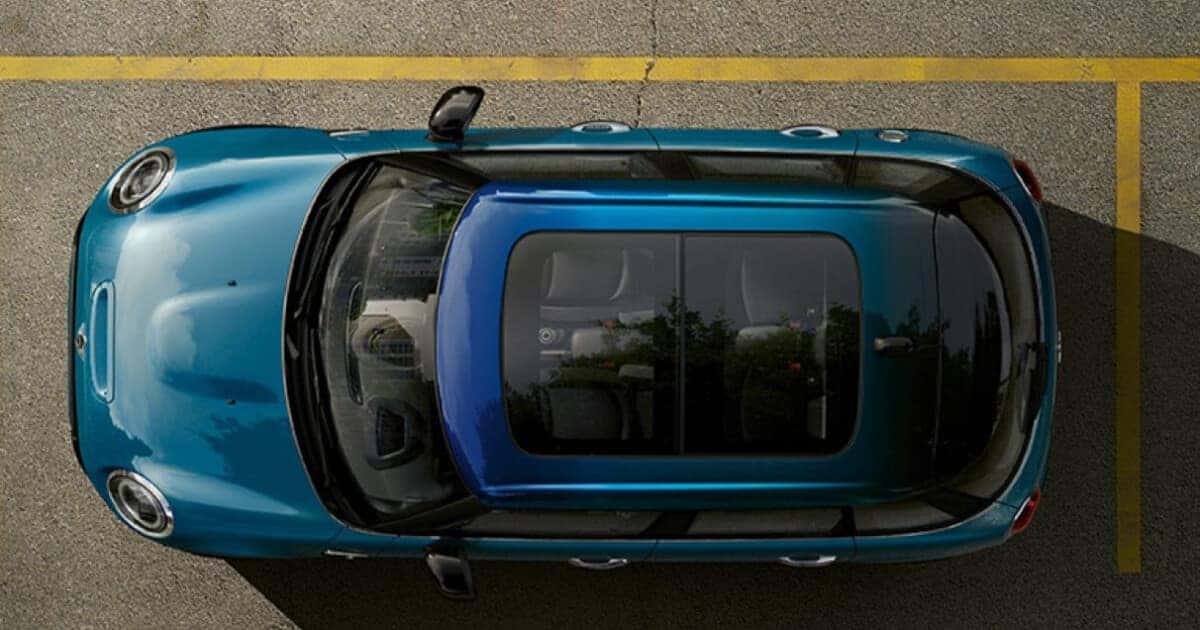
Mini’s design language leans heavily on retro charm, but the 2‑door leans into that heritage a little more aggressively. The coupe‑like roofline, slightly lower roof, and the absence of rear doors give it a sportier silhouette that many enthusiasts associate with the brand’s original 1959 model. It’s the kind of car that turns heads on a downtown boulevard.
The 4‑door maintains the same visual DNA while adding a practical twist. Its roofline is marginally higher, and the rear quarter panels stretch a bit further, giving the car a more “family‑friendly” aura without losing the Mini badge. If you prefer a balance between eye‑catching style and low‑key practicality, the 4‑door hits that middle ground.
Resale Value and Ownership Costs
Both variants tend to hold their value better than many rivals in the compact performance segment, thanks to Mini’s cult following. However, the 2‑door often commands a modest premium on the used‑car market, especially among collectors who prize the sportier profile. That premium can be offset by slightly higher insurance rates, as insurers sometimes view coupes as marginally riskier.
Maintenance costs for the two models are essentially identical—same engine, transmission, and brake components. Fuel economy differences are negligible, typically ranging from 27‑30 mpg combined for the 2‑door and 26‑29 mpg for the 4‑door, depending on driving style. In the long run, the deciding factor is less about cost and more about how much you value the extra passenger space.
Which Model Aligns With Your Priorities?
If you crave a tighter, more visceral driving experience and rarely need rear‑seat accommodation, the 2‑door Mini Cooper S is the clear front‑runner. Its compact dimensions amplify the car’s legendary go‑karts feel, and the styling cues make it a standout at any stoplight.
Conversely, if you need a versatile daily driver that can still deliver a punch of power, the 4‑door offers a more comfortable passenger experience without sacrificing the brand’s signature agility. It’s the pragmatic choice for small families, rideshare drivers, or anyone who values easy access to the back seats.
Ultimately, the “best” Mini boils down to how you weigh sport versus practicality. Test‑driving both versions is the most reliable way to feel the subtle differences and decide which fits your personality and routine best.
Frequently Asked Questions
- Is the 2‑door Mini Cooper S more fun to drive? In tight corners and on spirited runs, the shorter wheelbase gives the 2‑door a slightly sharper response, which many drivers interpret as more engaging.
- Can I fit a child seat in the 4‑door? Yes—the rear doors open wide enough for most rear‑facing and forward‑facing seats, and the extra headroom makes installation easier than in the 2‑door.
- Do insurance rates differ between the two? They can. Insurers sometimes rate the 2‑door a touch higher because of its sportier image, but the difference is usually modest.
- Should I consider newer Mini Cooper S models over older ones? Newer models often bring updated infotainment, safety tech, and refined engine tuning. If those features matter to you, they’re worth the extra investment regardless of door count.