Mood Music: Why Bieber, J Balvin, and 24kGoldn Defined an Era
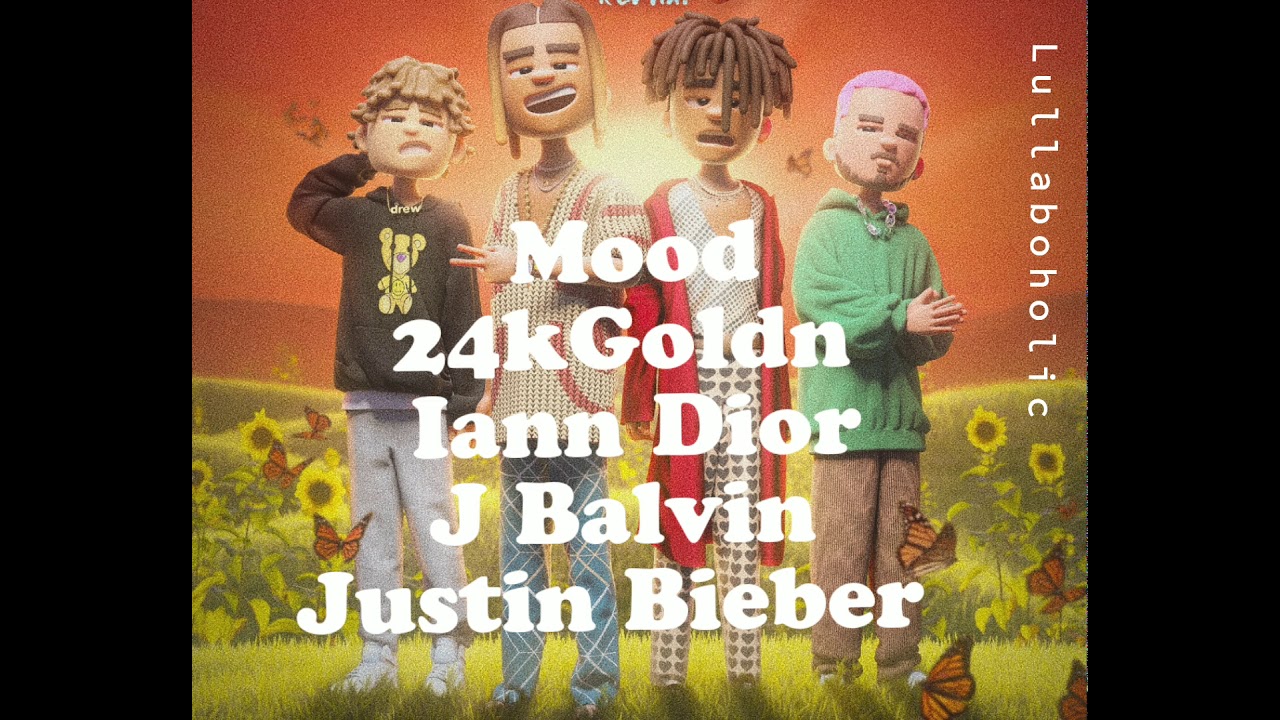
There is a distinct auditory fingerprint that defined the early 2020s for a massive chunk of the global music landscape. It wasn’t just one genre, nor was it strictly confined to radio playlists. It was a convergence. When you look at the collaborative efforts of Justin Bieber, J Balvin, 24kGoldn, and Iann Dior, you are looking at the architectural blueprint of modern pop’s flirtation with trap, reggaeton, and emo-rap. This specific cluster of artists didn’t just release songs; they created a sonic mood that felt urgent, melancholic, yet undeniably danceable.
The Anatomy of a Viral Hit
To understand why this lineup worked, you have to look past the celebrity power and examine the production. The music produced by this group relied heavily on a "less is more" approach to instrumentation, often utilizing sparse, chilling beats that left massive room for vocal melodies. This was the era where the pre-chorus became the most important part of the song. If you think about the hits these artists collaborated on or released in close proximity, the structure was almost identical: a whispery verse, a building tension, and then a drop that was designed specifically for short-form video content.
Justin Bieber brought the pop sensibility and global brand recognition. J Balvin injected the rhythmic complexity and Latin flair that had been taking over charts for years. Meanwhile, 24kGoldn and Iann Dior represented the newer wave of artists who grew up consuming SoundCloud and YouTube. They understood the internet’s attention span better than their predecessors. The result was music that felt native to digital platforms. It wasn’t repurposed for TikTok or Instagram Reels; in many ways, it was engineered for them from the ground up.
Vibes Over Lyrics
One of the most defining characteristics of this specific musical movement was the prioritization of vibe over complex lyricism. This isn’t necessarily a critique; it’s an observation of a shift in consumer behavior. Listeners weren’t looking for dense storytelling or intricate wordplay. They were looking for a feeling. They wanted something to play while driving at night, studying late, or working out. The repetition of hooks and the use of ad-libs became crucial elements. A simple phrase, repeated with enough emotional resonance and paired with the right melody, could stick in your head for days.
- Rhythmic Flexibility: The blend of reggaeton dembows with trap hi-hats created a unique groove that appealed to both dance and hip-hop fans simultaneously.
- Vocal Layering: These artists mastered the art of harmonizing rap verses with sung choruses, blurring the line between rapping and singing.
- Emotional Ambiguity: The tracks often hovered between heartbreak and partying, allowing listeners to project their own emotions onto the music.
The Collaborative Powerhouse
When Justin Bieber and J Balvin teamed up, they weren’t just making music; they were bridging language barriers. Spanglish tracks had existed before, but they became mainstream radio staples during this period. The chemistry between Bieber’s smooth falsetto and Balvin’s charismatic flow created a template for future cross-genre collaborations. It proved that you didn’t need a fully English track to dominate global streaming services. Language became secondary to the rhythm and the mood.
On the other side of the spectrum, 24kGoldn and Iann Dior brought a grittier, more TikTok-native energy. Their breakthrough hits were characterized by sudden genre shifts within a single song. One moment you were listening to a sentimental ballad, and the next, the beat dropped into a heavy trap rhythm. This unpredictability kept listeners engaged. It also allowed these artists to reach diverse audiences. A fan of pop-punk could find something to like, just as a fan of hard-hitting hip-hop could find appeal in the same track.
Impact on Modern Production
The influence of this specific era is still visible in today’s charts. The sparse production style, the emphasis on the pre-chorus, and the seamless blending of Latin and trap elements have become standard operating procedures for many pop producers. You hear echoes of Bieber and Balvin’s rhythmic experiments in current Reggaeton-pop hybrids. You see the viral-first mindset of 24kGoldn and Iann Dior in how new artists structure their releases, often dropping singles that are optimized for fifteen-second clips rather than traditional album cycles.
Why the "Mood" Matters
Music has always been about mood, but this era codified it. playlists were no longer just collections of songs by one artist or genre. They were emotional states. "Sad Banger" became a legitimate category. Listeners curated their days based on these sonic textures. The collaboration between these specific artists perfectly captured that nuance. They offered music that was emotionally resonant enough to feel personal, but energetic enough to keep you moving. That duality is rare in pop music, and its presence in these tracks is likely why they remain culturally relevant years after their release.
Looking Beyond the Hype
Critics often dismissed these tracks as disposable internet fodder. However, looking back, it’s clear that they represented a significant shift in how music is consumed and created. The barriers between genres became porous. The line between a radio hit and a viral meme blured. Justin Bieber, J Balvin, 24kGoldn, and Iann Dior didn’t just ride a wave; they helped create the current that is still carrying music today. Their work serves as a case study in how adapting to new technology and audience behaviors can lead to genuine commercial and cultural success.
Frequently Asked Questions
What makes the music of Bieber, Balvin, 24kGoldn, and Iann Dior distinct?
Their music is characterized by a blend of pop, reggaeton, and trap elements, often featuring sparse production, catchy melodic hooks, and a strong emphasis on rhythm and vibe over complex lyrics.
Did these artists collaborate directly with each other?
While they all operated in the same sonic space and often shared similar production teams or label connections, direct four-way collaborations are rare. However, they frequently collaborated in pairs (like Bieber and Balvin) or influenced each other's styles significantly during the 2020-2022 period.
Why was this music so dominant on social media?
The structure of their songs, particularly the use of distinct pre-choruses and sudden beat drops, was perfectly suited for short-form video platforms like TikTok and Instagram Reels, encouraging user-generated content and viral trends.
How has their influence changed modern pop music?
They helped normalize the blend of Latin rhythms with hip-hop and pop, and they shifted the industry focus toward creating singles optimized for digital streaming and social media virality rather than traditional album cycles.

![24kGoldn, Justin Bieber, iann dior - Mood [Extended Zixx Edit] (feat ...](https://i.ytimg.com/vi/4nxHIGKmOFg/maxresdefault.jpg)

