MS Word Tutorial Free PDF Download: A Complete Guide
If you are just starting out with Microsoft Word, the sheer number of features can feel overwhelming. From formatting fonts to creating complex tables, the ribbon interface holds more secrets than most users ever discover. This is why many beginners search for an “MS Word tutorial free PDF download” to get a structured, offline resource they can reference at their own pace. It is a smart move. Having a cheat sheet or a comprehensive manual on hand can significantly speed up your learning curve without the pressure of watching a video on loop.
However, before you start clicking through random links, it is important to understand what makes a good tutorial and where to find resources that are safe and up-to-date. Not all free PDFs are created equal, and some older guides might teach methods that no longer apply to modern versions of Word. Let’s break down how to get the most out of your learning process, whether you download a PDF or use online equivalents.
Why a Structured Guide Beats Random Videos
Videos are great for seeing things in action, but they lack one critical feature: scannability. When you are in the middle of a document and forget how to insert a page break or adjust margins, scrubbing through a ten-minute video is inefficient. A well-organized PDF acts like a map. You can jump straight to the "Page Layout" or "References" chapter without wasting time.
Moreover, a text-based guide allows you to highlight, print, or annotate specific shortcuts. For many learners, reading a step-by-step list is far more digestible than watching someone else click buttons. The goal is not just to watch but to do. A tutorial PDF serves as a persistent reference that grows with you, marking the page where you last learned about mail merge or track changes.
Essential Topics Every Beginner Must Master
Regardless of where you find your tutorial, ensure it covers these foundational pillars. If a guide skips these basics in favor of advanced macros or VBA coding, it is likely too advanced for your current level. A solid beginner’s resource should focus on usability and efficiency.
- Navigation and Interface: Understanding the Backstage view (File menu), the Quick Access Toolbar, and the Ribbon tabs is crucial. You need to know where the tools live before you can use them effectively.
- Text Formatting: Beyond just bolding text, learning how to use Styles (Heading 1, Heading 2, Normal) is a game-changer. Styles automate your table of contents and ensure consistency across large documents.
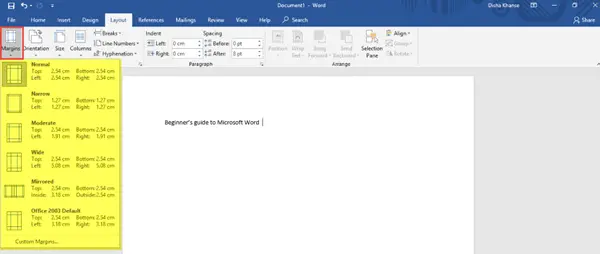
- Page Layout: This includes setting margins, changing from portrait to landscape, and managing page breaks. Knowing the difference between a manual page break and pressing "Enter" multiple times is a hallmark of a competent user.
- Inserting Objects: Learn how to add images, tables, and shapes without breaking your document’s flow. Understanding "Wrap Text" options is vital here so your graphics don’t push your text into chaos.
- Proofing Tools: Spell check and grammar review are basic, but many users miss out on the Thesaurus integration and readability statistics, which offer deeper insights into your writing tone.
Where to Find Safe and Reliable Resources
Searching for free PDFs can sometimes lead to shady websites laden with pop-ups or outdated information dated from the Word 2007 era. To avoid digital clutter and potential security risks, stick to reputable sources. Microsoft itself offers extensive documentation that you can often save as a PDF or print as a booklet.
Additionally, many educational institutions and government bodies publish their own internal guides for staff. These are often stripped down to the essentials, making them perfect for beginners who want no-nonsense instructions. Look for resources labeled as "Microsoft Word Basics" or "Introduction to Word Processing." If a PDF looks like a photocopy of a classroom handout, it is probably exactly what you need—simple, direct, and effective.
You can also create your own cheat sheet. Instead of downloading a fifty-page document you might never read, compile ten key shortcuts and layout tips into a single page. Print it and tape it to your monitor. This personalized "tutorial" is often more valuable because it is tailored to the tasks you actually perform daily.
Practical Tips for Learning Faster
Reading a tutorial is passive; applying it is active. The biggest mistake beginners make is getting stuck in "tutorial hell," where they consume information but never practice. To get the most out of any guide, follow a simple rule: for every page you read, spend five minutes experimenting in a blank document.
Try to recreate a sample letter. Insert a table, change the header, and add a footer. Mess up the margins and then fix them. Breaking things in a safe environment builds muscle memory. Also, pay attention to keyboard shortcuts. Replacing mouse clicks with Ctrl+B (Bold), Ctrl+S (Save), or Ctrl+Z (Undo) frees up your mind to focus on content rather than navigation.
Common Pitfalls to Avoid
Even with the best tutorial, certain habits can slow you down. One of the most common is using the spacebar or enter key to create spacing between paragraphs. Instead, use paragraph spacing settings. Another is typing manually instead of using templates. Word comes with hundreds of pre-designed templates for resumes, newsletters, and reports. Leveraging these can save hours of formatting time and result in a more professional look.
Next time you feel overwhelmed by a blank page, remember that you do not need to know every feature to be proficient. Master the basics, use a reliable guide as your anchor, and practice consistently. The right resources are out there, whether in PDF form or online, waiting to help you transform from a casual user into a confident creator.
Frequently Asked Questions
Is it safe to download MS Word tutorial PDFs from random websites?
It can be risky. Some sites hosting free software manuals contain malware or excessive ads. It is safer to download guides directly from Microsoft’s official support pages or reputable educational platforms that verify their content for accuracy and safety.
Does a tutorial PDF work for all versions of Microsoft Word?
Most core concepts apply across versions, but interface changes can make older PDFs confusing. If you are using Word 2019, 2021, or Microsoft 365, ensure the tutorial you choose reflects the "Ribbon" interface. Guides for Word 2003 or earlier will look very different and may not be helpful.
Are free PDF tutorials better than YouTube videos?
It depends on your learning style. PDFs are superior for quick reference and offline access. Videos are better for visual learners who need to see the clicking motion. Ideally, use a PDF to understand the concepts and videos to see complex tricks in action.
What is the best way to practice what I learn from a tutorial?
Create a dummy document immediately after reading a section. If the tutorial teaches you how to make a table, create a table right then. Active reinforcement helps transfer knowledge from short-term memory to long-term muscle memory much faster than passive reading.