New Orleans Funeral Marchs: A Legacy of Southern Mourning Music
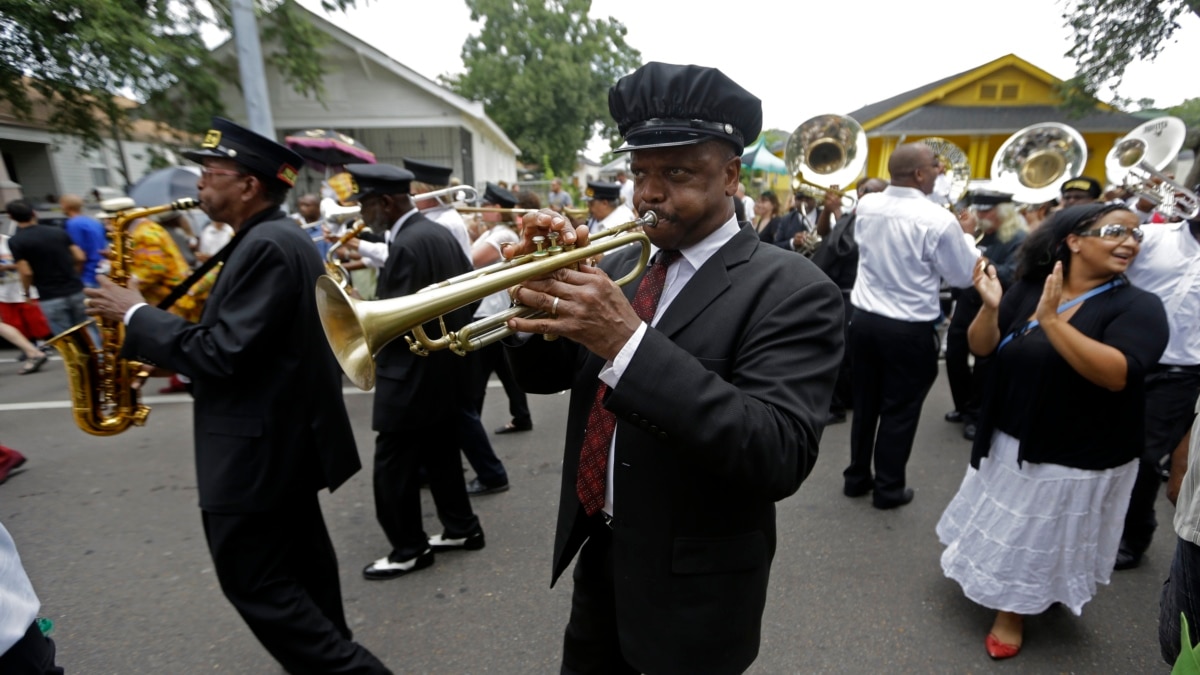
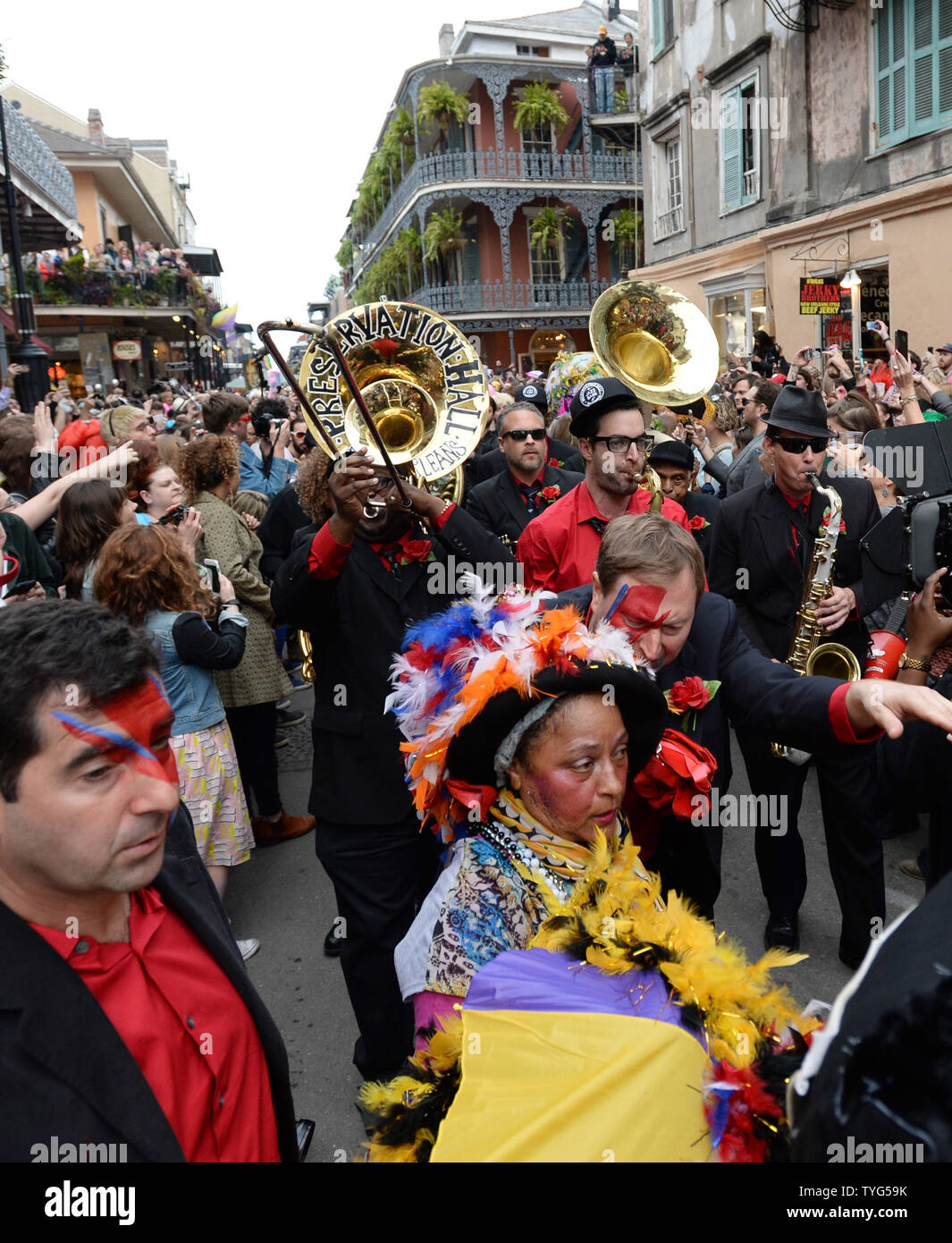
In the streets of New Orleans, a funeral march is more than a solemn procession – it is an audible testament to a city that has turned grief into a rhythmic, communal celebration. The tradition, which dates back to the early 19th century, weaves together French, African, and African‑American musical influences into a soundscape that is as moving as it is unmistakable. By the time the brass section hits the first deep note, the city’s heartbeat slows, and everyone in the crowd feels the weight of remembrance. This article traces the history, instruments, and cultural impact of New Orleans funeral marches, illustrating how a funeral tradition can shape an entire musical heritage.
Origins of the New Orleans Funeral March Tradition
New Orleans’ roots in French colonialism and its early Catholic population laid the groundwork for elaborate funeral rites. French parishioners would gather around the graveside, and the procession would be accompanied by a brass band that played mournful melodies. The band’s repertoire was initially limited to simple hymns and waltzes, but over time, improvisational elements from African and Caribbean music seeped into the arrangements.
By the 1840s, the city’s first formal funeral band had formed. The band was often composed of local musicians who were already involved in the city’s burgeoning jazz scene, creating a bridge between sacred rituals and secular performance. This blending of styles gave rise to what is now recognized as the New Orleans funeral march tradition.
The Music That Drives the Procession
The sound that carries a funeral march down a New Orleans avenue is distinctive: low, resonant, and inexorably steady. The core instrumentation includes:
- Brass section: trombones, tuba, and trumpet create a rich harmonic foundation.
- Wind instruments: clarinet and saxophone add melodic ornamentation.
- Percussion: bass drum and snare maintain the procession’s tempo.
- Optional: piano or accordion for added harmonic depth.
These instruments work in tandem to produce a sound that is at once dignified and uplifting. The low trombones and tuba provide a solemn backdrop, while the clarinet’s lyrical runs bring a sense of grace. Percussion, meanwhile, keeps the march moving forward, turning the mournful procession into a rhythmic statement of community solidarity.
Key Figures and Milestones
While the tradition has evolved organically, certain figures have left a lasting imprint. Early in the 20th century, Louis Armstrong, who grew up in the French Quarter, began his career playing in funeral bands. His mastery of improvisation added a new dimension to the marches, allowing each performance to carry a unique emotional charge.
In the 1930s, the legendary St. Louis Baptist Church funeral band became a national model for the structure and repertoire of funeral marches. The band’s recordings—though rare—provide a sonic window into the tradition’s early soundscape. By the 1960s, the tradition had expanded beyond the African‑American community, gaining acceptance among white Catholic parishes and becoming a staple of New Orleans culture.
From Mourning to Mardi Gras: Cultural Evolution
One of the most fascinating aspects of New Orleans funeral marches is how they influenced the city’s most famous holiday, Mardi Gras. Many brass bands that originally served funeral processions transitioned into Mardi Gras krewes, carrying over the same instrumentation and improvisational style.
This crossover gave Mardi Gras its iconic sound—deep, celebratory, and unmistakably New Orleans. The same brass players who would once march to the graveside now lead parades through the French Quarter, turning mourning into a carnival of color and music. The shared musical DNA explains why both traditions feel so similar in rhythm and spirit, even though one commemorates death and the other celebrates life.
Modern-Day Practices and Preservation Efforts
Today, funeral marches remain an integral part of New Orleans funerary culture. Most Catholic and Protestant churches still hire funeral bands that perform a repertoire of classic marches and contemporary arrangements. Many funeral homes offer “live music” packages that feature local brass ensembles.
Preservation of this tradition is driven by both community initiatives and formal organizations. The New Orleans Historical Society and the Louisiana Music Preservation Foundation sponsor workshops where seasoned musicians mentor younger players, ensuring that the techniques and musical vocabulary of the funeral march are passed on. Additionally, several universities host concerts dedicated to the history of funeral marches, allowing scholars to study and disseminate this cultural heritage.
Why the Sound of a Funeral March Matters
A funeral march in New Orleans is more than music; it is a shared emotional experience that binds neighbors, friends, and strangers alike. The low trombone lines echo the collective grief, while the steady rhythm offers comfort that life moves on. Even those who have never attended a funeral in the city can feel the power of the march’s cadence; it speaks to a universal human need for closure and remembrance.
By continuing to perform, teach, and celebrate the funeral march, New Orleans preserves a living history that reflects the city’s complex past and vibrant present. It is an auditory reminder that, in the face of loss, music can provide both solace and a sense of communal identity.
FAQs
- What instruments are most common in a New Orleans funeral band? Brassy trombones and tubas lead the low end, while clarinet or saxophone add melodic flourishes. A bass drum maintains the march’s steady pulse.
- How did funeral marches influence jazz? Many early jazz musicians cut their teeth in funeral bands, learning improvisational techniques that later became central to New Orleans jazz.
- Can a funeral march be performed