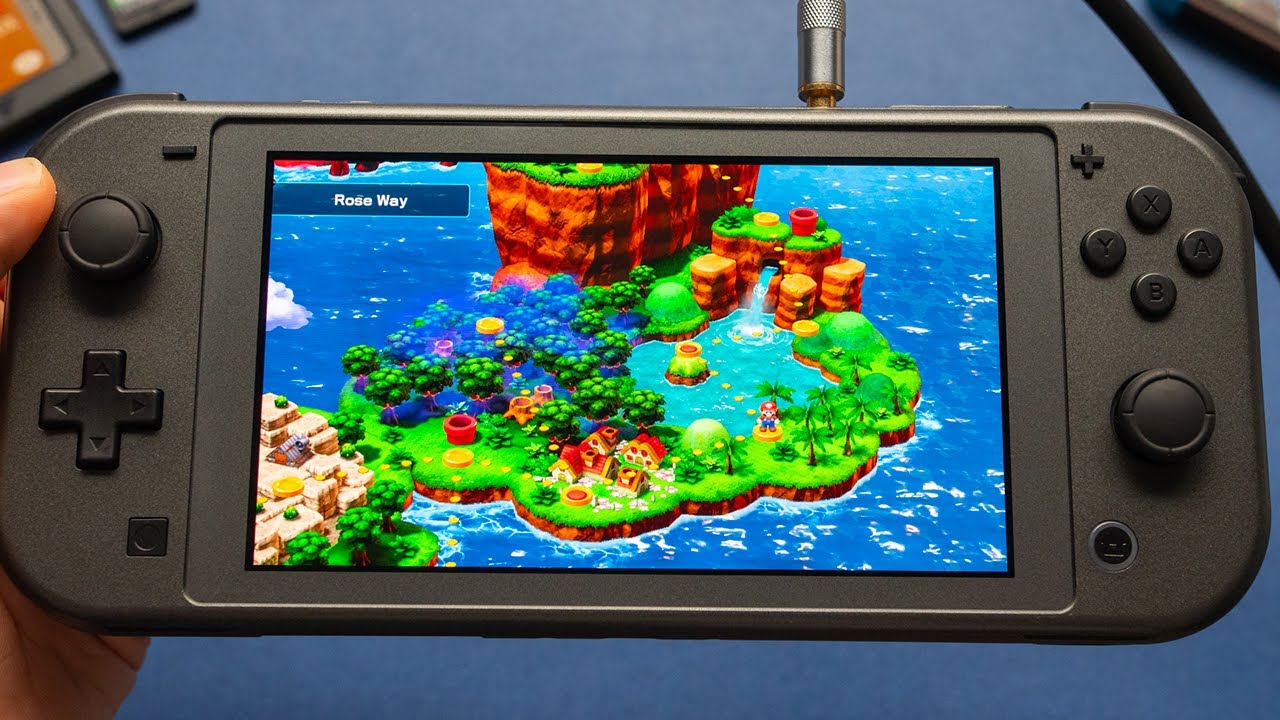
Nintendo Switch OLED Modding Guide: Risks, Benefits & Reality
There is a distinct hum in the air around the latest generation of handheld gaming. The Nintendo Switch OLED model, with its vibrant screen and refined design, feels like the definitive version of the original architecture. For many enthusiasts, this perfection sparks a desire to push the hardware beyond its factory limits. This impulse leads directly to the world of modding.
Modding your Switch OLED isn’t just about cracked software or piracy, although that is a common association. It encompasses a wide range of modifications, from physical upgrades like faster storage and better cooling to firmware tweaks that unlock homebrew applications and custom themes. However, jumping straight into a guide without understanding the profound implications is a mistake that can brick your console and void your warranty in an instant. This exploration breaks down the reality, the technical hurdles, and the legitimate benefits of modifying your system.
The Hardware vs. Software Divide
It is crucial to distinguish between physical modifications and software modifications. They serve different purposes and carry different levels of risk. Physical mods are generally safer and often reversible. These include upgrading the internal eMMC storage to a larger proprietary chip, installing a custom heat sink for quieter fan operation, or replacing the battery with a higher-capacity cell.
These hardware changes require precise tooling and a steady hand. If you are not comfortable with micro-soldering or delicate disassembly, the risk of damaging the mainboard or the delicate OLED panel is significant. Unlike older consoles, the Switch OLED is tightly packed. There is no mod chip soldered to the board in modern modifications; instead, the modding community relies on exploiting vulnerabilities in the system software.
The E-Flag and Homebrew Reality
Software modding, often referred to as "hacking," is where the real power lies. This involves flashing custom firmware such as Atmosphere or SXOS. The process typically requires a physical modchip or an exploit specific to your console’s firmware version. The landscape has shifted dramatically since the release of the OLED model.
The critical factor here is the "E-Flag." When a console connects to Nintendo’s servers while running a custom firmware, it sets an electronic flag on the device. Once this flag is set, the console is hard-banned from Nintendo’s online services. This ban is permanent. It affects all Nintendo Accounts associated with the console, including those on other Switches if they are linked to the same digital entitlements. Therefore, the golden rule of modern Switch modding is strict isolation. A modded console should never, under any circumstances, connect to Nintendo’s official online infrastructure.
This isolation creates a split ecosystem. You will have a "cart console" for online play and a "hard disk/console" for local multiplayer, homebrew apps, and emulation. Managing two systems can be inconvenient, but it is the necessary trade-off for the freedom modding provides.
What You Actually Gain
If you are willing to accept the ban risk and the technical complexity, what do you get in return? The immediate benefit is access to homebrew software. This includes utilities that allow you to backup your own cartridges, manage save files more efficiently, and install custom themes that change the visual identity of the system menu. You can remove the Nintendo logo, change icons, and adjust system fonts.
Performance enhancements are another draw. Custom firmware allows for overclocking the CPU, which can result in higher frame rates in uncapped games or smoother performance in demanding titles. You can also scale the resolution or adjust color profiles for the OLED screen, potentially squeezing out extra vibrancy or contrast that the stock firmware ignores.
Emulation is perhaps the most compelling reason. With plugins like Yuzu or Ryujinx, your Switch becomes a versatile retro gaming machine. It can emulate Game Boy,NES, SNES, GameCube, and even PlayStation 2 titles with varying degrees of success. This transforms the device from a single-purpose Nintendo box into a multi-generational entertainment hub.
The Financial and Ethical Considerations
Before purchasing any modding kit, consider the financial implications. If something goes wrong during the installation of the mod chip or the flashing of the firmware, your console becomes a paperweight. The OLED model is not cheap, and replacing it is a significant expense. Furthermore, the modding scene is illegal to monetize. Selling hacked consoles or providing custom firmware for profit is illegal in many jurisdictions. The community operates on a volunteer basis, and resources are shared freely.
There is also the ethical dimension. Modding is often conflated with piracy. While many users only use their mods for homebrew and legally owned cartridges, the infrastructure facilitates the theft of digital games. Supporting the modding community means respecting the developers who create these tools and acknowledging the risks involved. It is not a consumer product you buy; it is a hobby you learn.
Is It Worth The Risk?
The decision to mod your Nintendo Switch OLED is deeply personal. If you are a technician who enjoys tinkering and values the ability to customize your hardware and software experience, the effort is often rewarding. The stability of modern custom firmware is high, and the community support is robust. However, if you simply want access to pirated games, the hurdles and moral compromises are not worth the time.
For casual players who primarily want an online experience, the standard Switch OLED remains the better choice. The convenience of seamless multiplayer and digital storefronts outweighs the benefits of homebrew for the average user. Modding is a niche pursuit that requires dedication, patience, and a willingness to isolate your device from the mainstream ecosystem.
Common Questions About Switch Modding
Many newcomers have similar concerns before they proceed. Here are answers to the most frequent questions.