Operating vs. Finance Leases: Decoding the Accounting Entries
When comparing operating vs. finance lease treatments, the journal entries often cause confusion for both seasoned accountants and newcomers alike. Both types let a business use an asset without buying it outright, but the way they appear on the balance sheet and income statement diverges sharply. Understanding those differences isn’t just a matter of compliance—it shapes cash‑flow planning, debt ratios, and tax outcomes.
What Defines an Operating Lease?
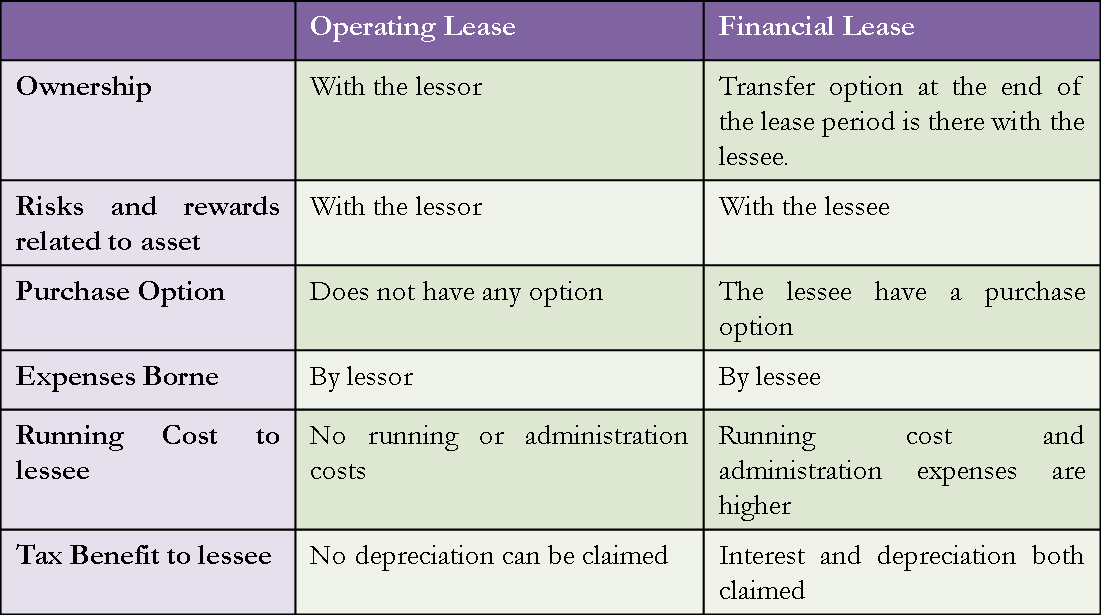
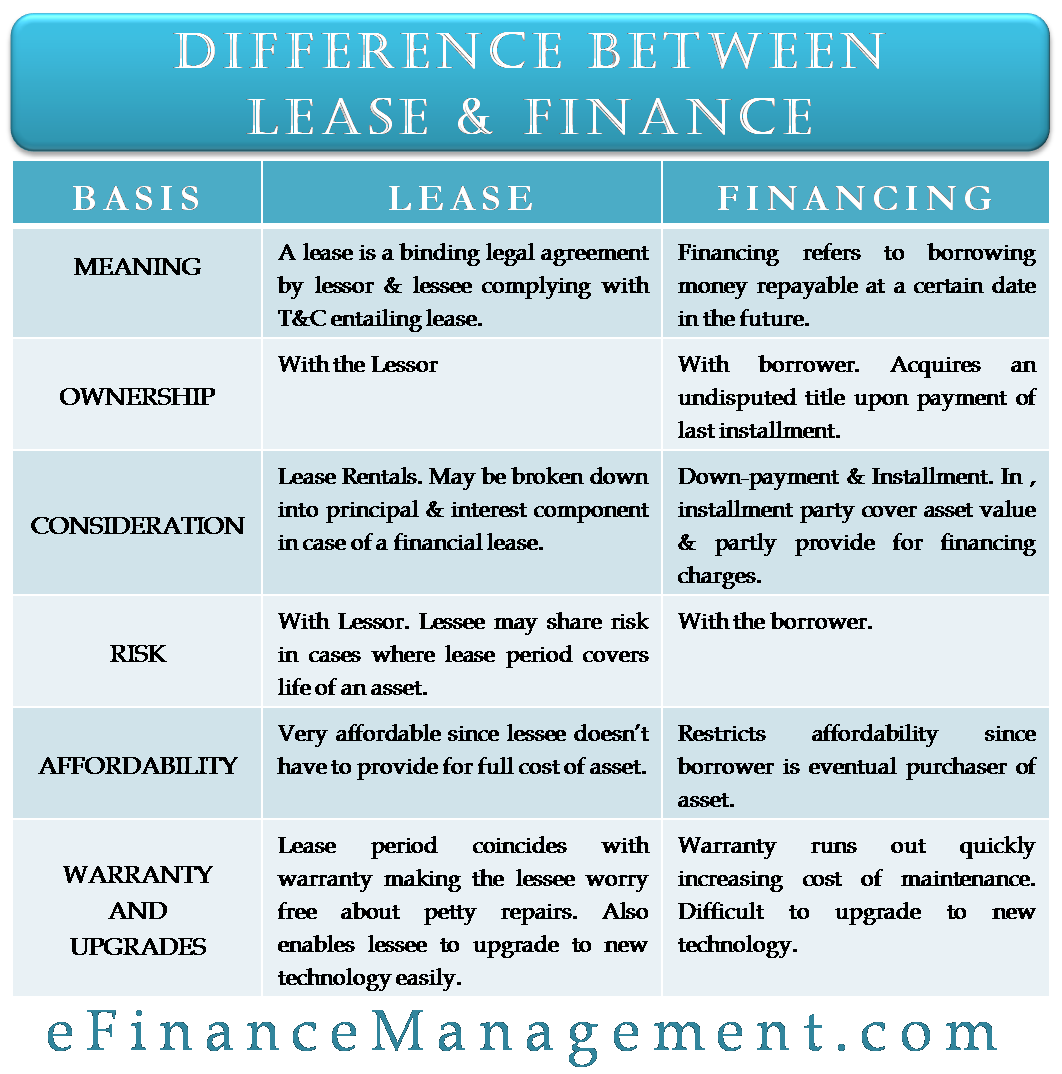
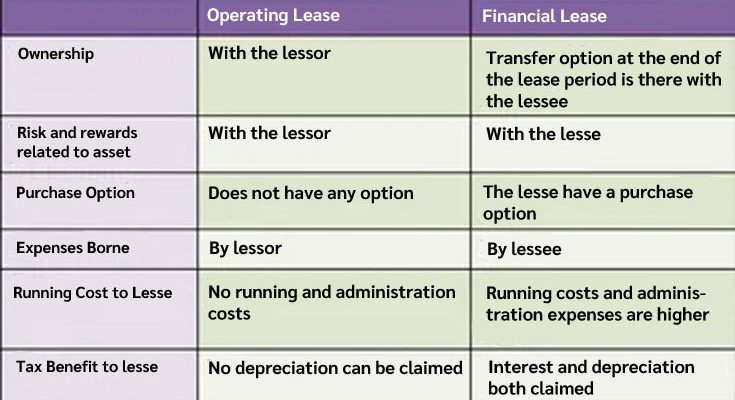
An operating lease is essentially a rental agreement. The lessee obtains the right to use the asset for a period that is typically shorter than the asset’s useful life, and the lessor retains most of the risks and rewards associated with ownership. Because the lease is viewed as a service contract, the asset stays off the lessee’s balance sheet under traditional accounting standards (though newer IFRS 16 and ASC 842 have narrowed that gap).
Key traits include:
- Lease term < 75 % of the asset’s economic life
- Present value of lease payments < 90 % of the asset’s fair value
- No transfer of ownership at the end
What Makes a Finance Lease Distinct?
A finance lease, sometimes called a capital lease, is treated more like a financed purchase. Here, the lessee assumes most of the benefits and burdens of ownership, even if legal title never changes hands. The lease term usually covers the bulk of the asset’s life, and the present value of payments approaches the asset’s fair market value.
Typical indicators are:
- Lease term ≥ 75 % of the asset’s useful life
- Present value of minimum lease payments ≥ 90 % of the asset’s fair value
- Option to purchase the asset at a bargain price
- Asset is specialized such that its value diminishes significantly if returned
Core Accounting Differences
Beyond balance‑sheet presentation, the two lease types affect expense recognition, depreciation, and interest calculations. In an operating lease, lease payments are recorded as a single “lease expense” straight‑line over the lease term. In contrast, a finance lease splits each payment into an interest expense and a depreciation charge, mirroring a loan‑plus‑asset scenario.
These distinctions ripple through key ratios: operating leases tend to keep debt‑to‑equity lower, while finance leases boost asset turnover but increase recorded liabilities.
Journal Entries for an Operating Lease
Assume a company signs a three‑year operating lease for equipment with annual payments of $12,000, payable at year‑end. Under ASC 842, the lessee must recognize a right‑of‑use (ROU) asset and a lease liability at the lease’s present value (PV). For simplicity, let’s say the PV is $32,500.
Initial recognition (at lease commencement):
- Debit Right‑of‑Use Asset $32,500
- Credit Lease Liability $32,500
Subsequent annual entry (payment date):
- Debit Lease Expense $12,000
- Credit Cash $12,000
Because the expense is straight‑line, the ROU asset is amortized equally each year (approximately $10,833). An additional entry to reduce the asset might look like:
- Debit Amortization Expense $10,833
- Credit Accumulated Amortization – ROU Asset $10,833
Journal Entries for a Finance Lease
Consider a five‑year finance lease for a machine costing $100,000, with annual payments of $22,000 at year‑end and an implicit interest rate of 5 %. The PV of payments (the lease liability) is about $95,000.
Initial recognition:
- Debit Leased Asset (Machinery) $95,000
- Credit Lease Liability $95,000
At the end of the first year, split the $22,000 payment:
- Interest expense = 5 % × $95,000 = $4,750
- Principal reduction = $22,000 – $4,750 = $17,250
Journal entry for the payment:
- Debit Interest Expense $4,750
- Debit Lease Liability $17,250
- Credit Cash $22,000
Depreciation of the leased asset follows the asset’s useful life (let’s say 7 years):
- Debit Depreciation Expense $13,571 (≈ $95,000 ÷ 7)
- Credit Accumulated Depreciation – Leased Asset $13,571
How These Entries Influence the Financial Statements
On the balance sheet, an operating lease under modern standards still shows a ROU asset and liability, but the liability is usually lower than the asset’s gross cost because it reflects only the discounted lease payments. A finance lease presents the full asset value and a corresponding liability, inflating both total assets and total liabilities.
On the income statement, the operating lease’s single expense line smooths profit margins, whereas the finance lease’s interest and depreciation create a front‑loaded expense pattern—higher costs early on, tapering as interest declines.
Cash‑flow statements also differ: operating lease payments appear in operating activities, while finance lease payments are split—interest in operating, principal in financing. That split can affect perceived operating cash flow, a metric many analysts watch closely.
Practical Tips for Accurate Lease Accounting
- Re‑evaluate lease classification annually. Changes in usage, renewal options, or asset value can shift a lease from operating to finance.
- Use reliable discount rates. The present value calculation hinges on the lease’s implicit rate or, if unavailable, the lessee’s incremental borrowing rate.
- Maintain a lease ledger. Tracking each lease’s asset, liability, amortization, and interest components simplifies audit trails.
- Leverage accounting software. Modern ERP systems can auto‑generate the split entries once lease terms are entered.
FAQ
What is the main visual difference between operating and finance lease balances?
Operating leases show a relatively small right‑of‑use asset and liability, while finance leases display the full asset value and an equivalent liability, making the balance sheet appear larger on both sides.
Can a lease be reclassified after the first reporting period?
Yes. If subsequent events indicate that the lease meets the criteria for a finance lease (or vice‑versa), companies must re‑classify and adjust the related assets, liabilities, and equity accordingly.
Do tax authorities treat operating and finance leases differently?
Often they do. Many jurisdictions allow the full lease payment to be deducted for operating leases, whereas finance leases may require depreciation and interest deductions separately.
How does ASC 842 affect small‑business lease accounting?
ASC 842 lowers the materiality threshold for lease recognition, meaning even modest leases may need to be recorded on the balance sheet, prompting many small businesses to adopt automated lease‑management tools.