PfSense CE vs. Plus: Choosing the Right Firewall for Your Needs
When you start comparing PfSense CE vs. Plus, the first thing you’ll notice is that both platforms share the same core of open‑source networking code. Yet the experience they deliver can diverge dramatically depending on the size of your network, the performance you demand, and how much you’re willing to invest in support. This guide walks through the essential distinctions so you can decide which edition aligns with your goals.
What is PfSense Community Edition (CE)?
PfSense CE is the free, community‑driven version that has been the go‑to firewall/router for hobbyists, small offices, and many educational labs since its launch. It runs on the same FreeBSD base as the commercial product, offering a web‑based GUI, packet filtering, VPN support, and a rich set of packages that extend functionality.
Because it’s maintained by volunteers, updates roll out regularly, but the cadence can be less predictable than the paid line. The community forums and documentation are extensive, making it a solid learning platform for anyone who enjoys tinkering.
What is PfSense Plus?
PfSense Plus is the commercial offering from Netgate, the company behind PfSense. It bundles the same open‑source core with additional proprietary features, a polished UI, and a clear upgrade path. Plus is sold with a subscription that includes support, hardware‑optimized builds, and access to advanced tools such as traffic shaping wizards, high‑availability clustering, and a unified threat management (UTM) suite.
While the source code remains open, the extra modules are delivered as part of the subscription, and they’re designed to run on Netgate’s own appliance line for optimal performance.
Core Differences to Consider
- Feature Set: CE provides the fundamentals—stateful firewall, NAT, DHCP, DNS forwarder, and a library of add‑ons. Plus adds built‑in load balancing, auto‑failover, a richer reporting dashboard, and tighter integration with Netgate hardware.
- Performance: Both editions can handle gigabit traffic on modern hardware, but Plus often includes kernel optimizations and driver support that squeeze out extra throughput, especially on Netgate appliances.
- Licensing & Cost: CE is free, though you may still spend on hardware and optional third‑party support. Plus requires an annual subscription, typically starting around $200 for a basic license and scaling with the number of support tickets and hardware bundles.
- Support: Community forums, Reddit, and the official wiki serve CE users. Plus purchasers receive direct ticket access to Netgate engineers, priority patches, and on‑site assistance for enterprise contracts.
Which Environment Suits Each Edition?
Small office or home lab*: If your network tops out at a few dozen devices and you’re comfortable chasing occasional bugs, CE gives you all the essential tools without a price tag. The learning curve can be a benefit—you’ll understand the firewall’s inner workings better.
Growing business or multi‑site deployment*: Once you need reliable high‑availability, automated failover, or integrated threat intelligence, Plus becomes attractive. The subscription’s support guarantees faster resolution if a critical rule breaks your connectivity.
Enterprise or regulated industry*: Compliance requirements often mandate documented support processes and guaranteed patch timelines. Plus meets those expectations, and the bundled reporting tools simplify audit trails.
Migration: Moving Between CE and Plus
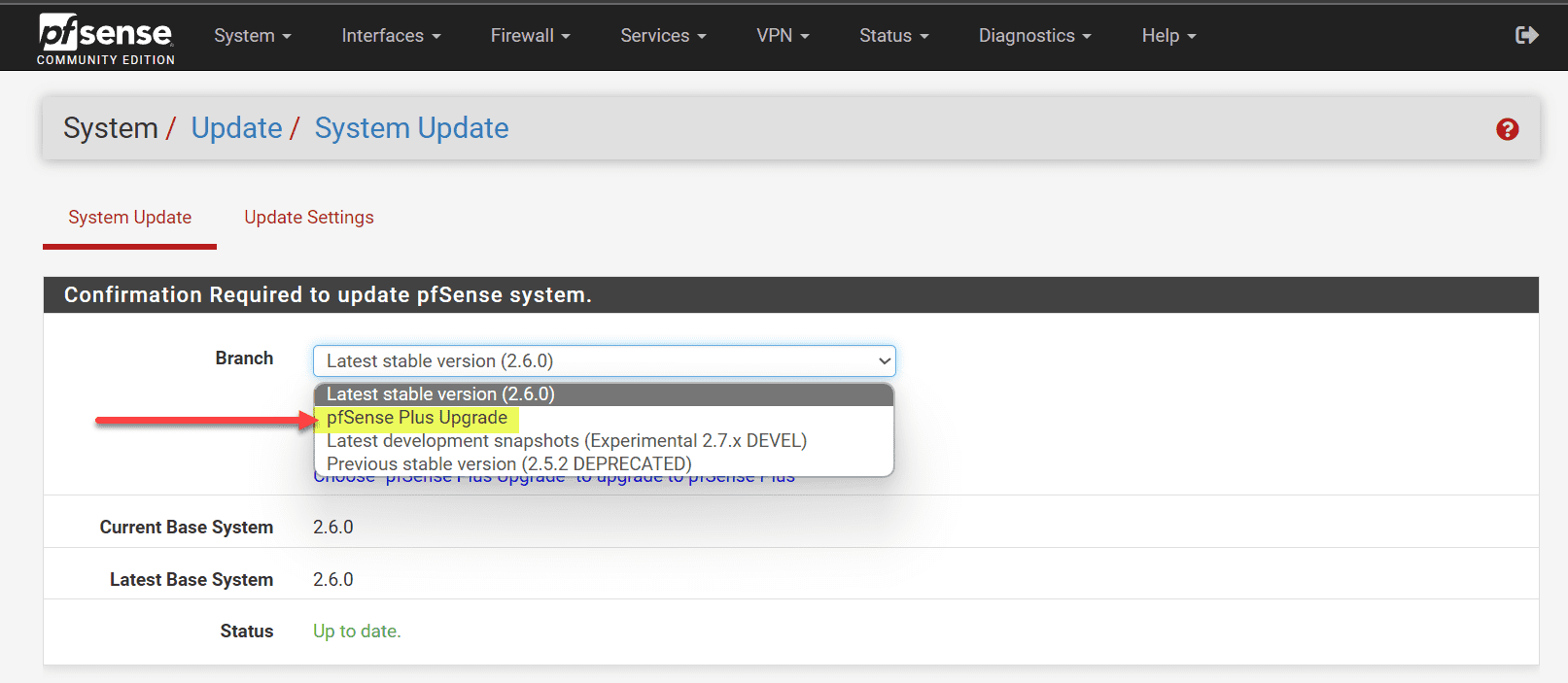
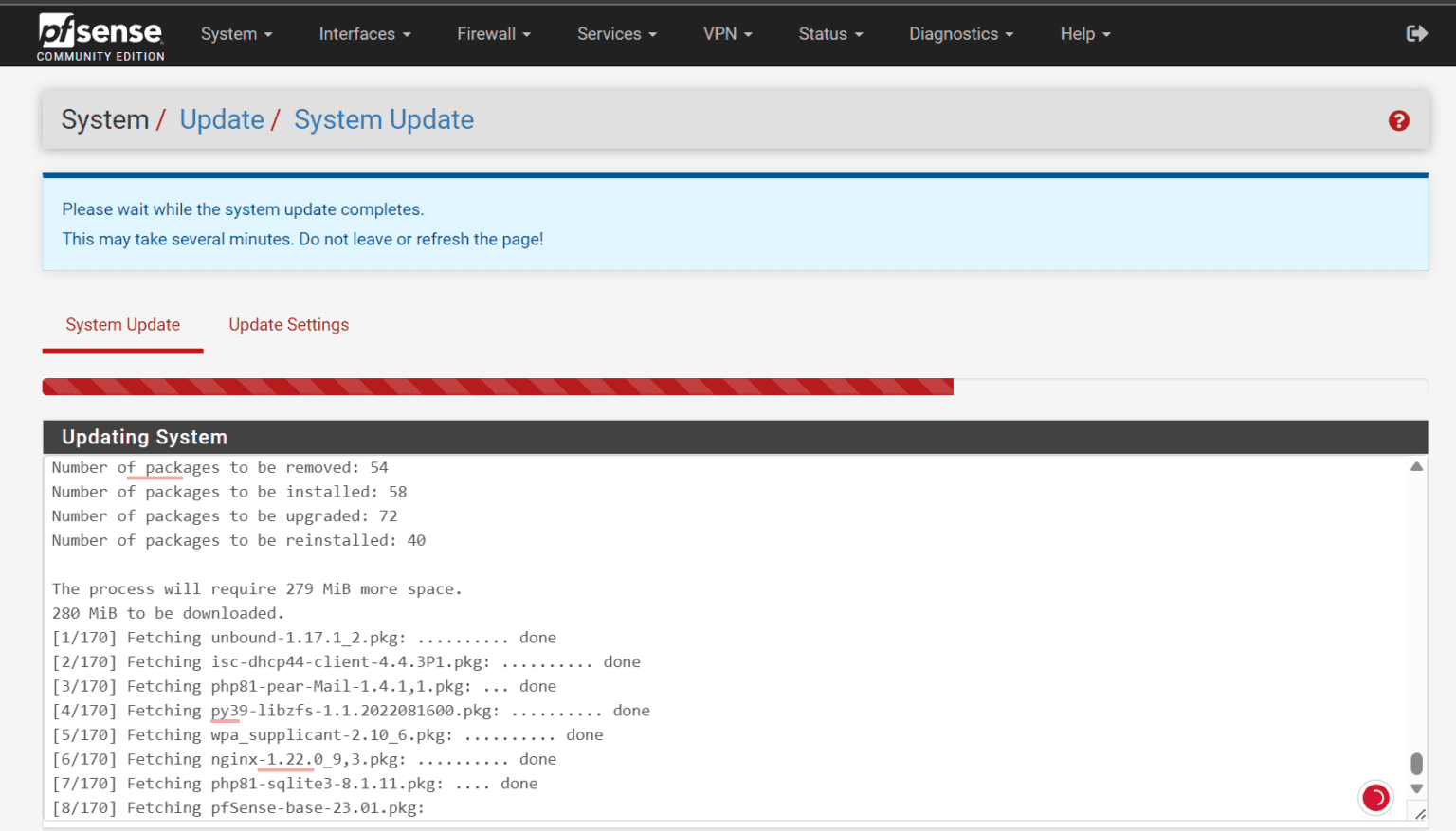
Transitioning from CE to Plus is straightforward on Netgate hardware: a simple license key activation unlocks the additional modules. If you run PFsense on generic servers, you’ll need to install the Plus image, which shares the same configuration format, so most settings migrate cleanly.
Going the other way—downgrading from Plus to CE—requires a fresh install of the community edition, followed by a manual import of the configuration XML. Because Plus may use proprietary features (e.g., certain traffic shaper profiles), you’ll need to replace those with CE equivalents.
Cost‑Benefit Snapshot
- CE: Zero licensing fee; optional paid support via third parties; ideal for tight budgets.
- Plus: Annual subscription covers updates, official support, and performance enhancements; best when downtime costs exceed subscription price.
In practice, many small businesses start with CE, then upgrade to Plus once the network’s reliability becomes a revenue‑critical factor.
Making the Decision
Ask yourself three practical questions:
- Do you need guaranteed, vendor‑backed support? If yes, Plus is the safe bet.
- Is high‑availability or advanced traffic shaping a requirement today, or will it become one soon? Plus offers those features out of the box.
- Are you comfortable relying on community contributions for security patches? If you have the technical bandwidth, CE can serve you well for years.
Balance your current budget against future growth, and you’ll find a clear path. Remember, the firewall is just one piece of a broader security strategy—no edition can replace good network design and regular monitoring.
Frequently Asked Questions
Can I run PfSense Plus on non‑Netgate hardware?
Yes, Plus can be installed on any compatible x86_64 server, though some hardware‑specific optimizations are exclusive to Netgate appliances.
Is the configuration format the same between CE and Plus?
Both use an XML configuration file, which means you can export from CE and import into Plus with minimal adjustments.
Do I lose any security updates if I stick with CE?
Security patches are released for the open‑source core and are available to CE users. However, the response time may be slower compared to the subscription‑driven schedule of Plus.
What happens to my license if I cancel a Plus subscription?
Your device will revert to the base CE feature set once the subscription expires, but your existing configuration remains functional.