Remembering Hurricane Maria: Puerto Rico’s Devastation Revisited
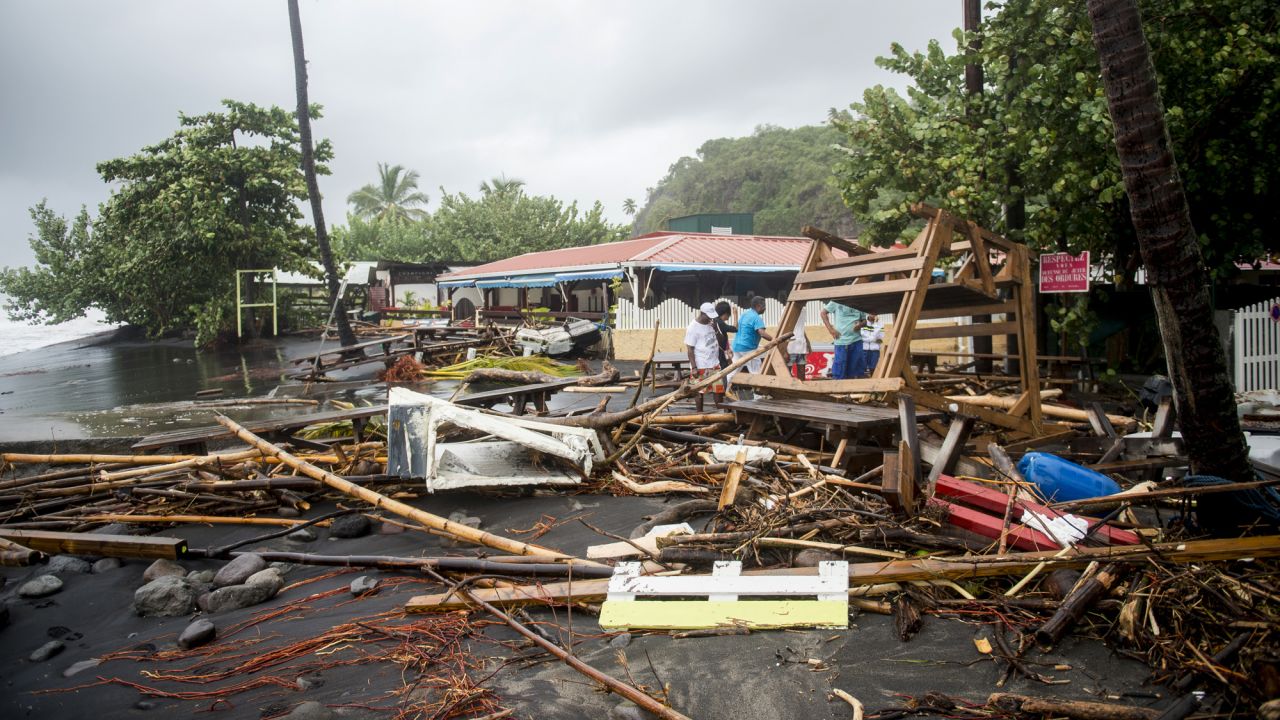
When Hurricane Maria slammed into Puerto Rico on September 20, 2017, the island faced a catastrophe of unprecedented scale. The Category 4 storm brought sustained winds near 150 mph, tearing rooftops, flooding low‑lying neighborhoods, and plunging the entire territory into darkness. Within hours, hospitals were scrambling for generators, schools turned into shelters, and families found themselves without clean water or reliable communication. The immediate picture was harrowing, and the after‑effects lingered for years.
The Storm’s Path and Immediate Aftermath
Maria originated in the Atlantic, barreling westward before veering toward the Caribbean. Its eye made landfall just east of the capital, San Juan, delivering a storm surge that rose more than 10 feet in some coastal districts. The initial damage assessment showed roughly 250,000 homes either destroyed or severely damaged, while countless others suffered roof loss or broken windows.
Authorities estimated that over 3.4 million residents—practically the entire population—lost electricity. In many remote mountain communities, power wasn’t restored for months, a circumstance that amplified the humanitarian crisis and strained the already fragile health system.
Infrastructure in Shambles: Power, Water, and Roads
The island’s power grid, already aging, collapsed under Maria’s force. Approximately 80 percent of the transmission lines were downed, and the sole major power plant on the island suffered critical damage. The resulting blackout forced residents to rely on diesel generators, which were scarce and expensive.
Water treatment facilities fared no better. With pipelines ripped apart and reservoirs contaminated, many towns faced weeks without potable water. The lack of clean water, combined with the power outage, made refrigeration of food and medicines nearly impossible.
Roads, too, became impassable. Landslides blocked mountain passes, and debris littered highways, hampering rescue convoys and delaying the delivery of essential supplies. In several municipalities, the only way to reach isolated villages was by foot or by helicopter.
Human Toll and Health Crisis
Official death counts list 65 direct fatalities, but subsequent studies suggest the true impact may be far higher, with estimates ranging into the thousands when indirect causes—such as lack of medical care and prolonged exposure—are considered. The mental health fallout was equally stark; anxiety, depression, and post‑traumatic stress surged across the island, especially among older adults and children who endured months of uncertainty.
Hospitals, operating on backup power, struggled to treat patients with chronic conditions. Dialysis centers reported interruptions, and the shortage of insulin left many diabetics in peril. Moreover, the breakdown of waste management systems contributed to a rise in vector‑borne diseases, as standing water became breeding grounds for mosquitoes.
Economic Shockwaves and Long‑Term Recovery
Financially, the storm inflicted damage estimated at roughly $90 billion—equivalent to about half of Puerto Rico’s annual Gross Domestic Product. Tourism, a key revenue source, plummeted as airports remained closed and hotels lacked electricity. Small businesses, many of which never reopened, faced bankruptcy, deepening unemployment that already hovered near 9 percent before the storm.
Federal aid arrived, but distribution proved contentious. Critics point to bureaucratic delays and the requirement for local matching funds as barriers that slowed reconstruction. Nonetheless, by 2022, more than 2 million households reported restored electricity, albeit often through a patchwork of micro‑grids and renewable installations.
In the rebuilding phase, there has been a noticeable shift toward resilient infrastructure. New housing projects incorporate hurricane‑resistant designs, and the grid is gradually integrating solar panels and battery storage to reduce dependence on a single, vulnerable power source.
Lessons Learned and Ongoing Challenges
Maria exposed systemic weaknesses: an over‑centralized power network, limited disaster preparedness, and a governance structure that struggled to coordinate relief. In response, Puerto Rican officials, alongside federal partners, have drafted a comprehensive emergency management plan that emphasizes decentralized energy, robust communication networks, and community‑level training.
Yet challenges persist. Many residents still lack reliable broadband, a critical tool for education and telemedicine. Climate change predictions warn of more intense storms, urging the island to accelerate adaptation measures. The experience of Maria serves as both a cautionary tale and a catalyst for change, reminding us that recovery is a marathon, not a sprint.
Frequently Asked Questions
- How many people were displaced by Hurricane Maria? Roughly 1.5 million Puerto Ricans were forced to leave their homes temporarily, with many seeking shelter in schools, churches, or with relatives in other regions.
- What caused the prolonged power outage? The island’s centralized grid was heavily damaged, and the lack of diversified energy sources meant that restoring service required rebuilding extensive transmission lines—a process that took months in remote areas.
- Has Puerto Rico fully recovered? While significant progress has been made—most households now have electricity and many roads are functional—full economic and infrastructural recovery remains incomplete, especially in rural communities still grappling with limited internet access and housing shortages.