Robinhood Investing: A Beginner’s Guide & Honest Review
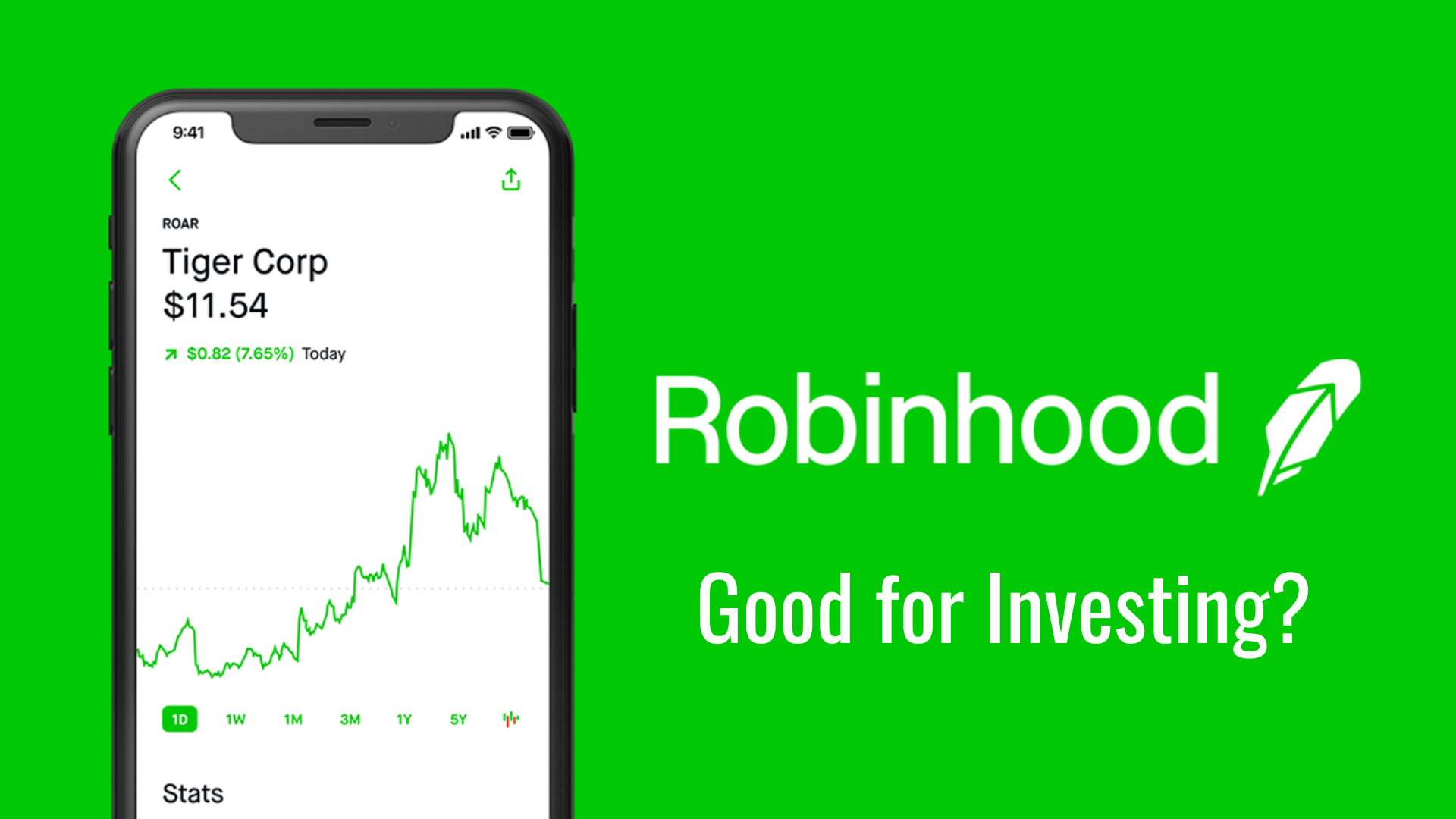
Robinhood burst onto the financial‑tech scene with a promise that resonated: trading should be simple, cheap, and accessible to anyone with a smartphone. If you’ve heard friends brag about making their first trade on the app, you’re not alone. This guide walks you through the basics of Robinhood investing, highlights what newcomers love (and loathe), and offers a candid assessment so you can decide whether the platform fits your own financial ambitions.
Robinhood Investing: A Quick Overview
At its core, Robinhood is a brokerage that lets users buy stocks, ETFs, options, and a handful of cryptocurrencies without charging commissions. The interface is stripped down to the essentials, which is why many first‑time traders feel right at home. Unlike traditional brokers that often require minimum balances, Robinhood opens the door with just a few dollars—making it a popular entry point for the cash‑strapped but curious.
What Is Robinhood and Who Is It For?
Robinhood positions itself as a “democratized” trading platform. Its audience skews younger, tech‑savvy, and eager to dip a toe into the market without the overhead of hefty fees. That said, the app isn’t exclusive to millennials; anyone who values a clean, mobile‑first experience can benefit. If you prefer a desktop‑heavy environment or need advanced research tools, you might find Robinhood’s minimalism a bit limiting.
Getting Started: Setting Up Your Account
Signing up takes about five minutes. You’ll need a valid email address, a social security number (or equivalent tax ID), and a bank account for funding. After you verify your identity, you can link your bank and deposit as little as $1. The app will walk you through a brief questionnaire to assess your investment experience—this is required by regulations, not a barrier. Once funded, you’re ready to explore the market.
Step‑by‑Step Snapshot
- Download the Robinhood app (iOS or Android) or use the web portal.
- Enter personal details and complete the KYC verification.
- Connect a checking or savings account for transfers.
- Deposit funds—Robinhood will typically credit them within a day.
- Search a ticker, hit “Buy,” and decide how many shares (or fractions) you want.
Key Features Every New Investor Should Know
Robinhood’s appeal lies in a handful of standout features. First, commission‑free trading eliminates the per‑trade cost that can erode small portfolios. Second, the platform offers fractional shares, so you can own a piece of pricey stocks like Amazon without spending a fortune. Third, there’s a built‑in cash management account that earns interest and provides a debit card, blurring the line between brokerage and bank.
Beyond equities, Robinhood supports options trading with a streamlined interface—though it hides the more complex Greeks and strategies that seasoned traders rely on. Crypto trading is also available, but only a limited selection (Bitcoin, Ethereum, Litecoin, and a few others). Finally, the app’s “Instant” feature lets you trade with unsettled cash, a convenience that comes with a modest fee.
Pros and Cons: A Balanced Look
Every platform has trade‑offs. Below is a quick rundown of the most common praise and criticism you’ll encounter.
- Pros
- No commission fees on stocks, ETFs, options, or crypto.
- Fractional shares lower the barrier to high‑priced assets.
- User‑friendly mobile design encourages frequent engagement.
- Instant deposits and quick trade execution.
- Cons
- Limited research tools compared with traditional brokers.
- Customer support is primarily chat‑based and can be slow during peak times.
- Revenue model relies on payment for order flow, which some critics argue may affect trade execution quality.
- Advanced order types (e.g., stop‑limit) are missing or hidden.
How Robinhood Makes Money
Even though you don’t pay commissions, Robinhood still needs revenue. The biggest slice comes from payment for order flow—a practice where market makers compensate Robinhood for routing trades to them. This arrangement is legal but has drawn scrutiny after high‑profile market‑volatility events. Additionally, the firm earns interest on uninvested cash balances, charges modest fees for premium services like “Robinhood Gold,” and collects a small spread on crypto trades.
Is Robinhood Right for Your Investment Goals?
If you’re looking to build a modest, diversified portfolio over the long term, Robinhood can serve as a convenient gateway. Its low‑cost structure means you won’t lose money on fees while you’re still learning the ropes. However, if you aim for sophisticated strategies—think multi‑leg options spreads, advanced charting, or deep fundamental analysis—you’ll likely outgrow the platform and need a broker with richer toolsets.
Another consideration is the emotional component. The app’s sleek, gamified design can make trading feel like a game, which sometimes leads novice investors to chase quick gains. Treat Robinhood as a learning environment, not a casino, and set clear, realistic expectations for returns.
Tips for Using Robinhood Responsibly
1. Start with a budget you can afford to lose. Even a small loss can be a valuable lesson, but it shouldn’t jeopardize your emergency fund.
2. Set automatic stop‑loss orders. While Robinhood’s order menu is simple, you can still place stop orders to limit downside risk.
3. Take advantage of educational resources. The app offers short videos and articles that explain basics like dividend reinvestment and tax implications.
4. Consider a diversified ETF. If picking individual stocks feels daunting, a low‑expense index fund can give you market exposure with minimal effort.
5. Review the “Gold” subscription carefully. It adds margin trading and larger instant deposits, but it also introduces higher risk. Make sure you understand the costs before upgrading.
Frequently Asked Questions
Can I trade on Robinhood without a bank account?
No. A linked bank account is required for funding and withdrawals. Some users opt for a prepaid card, but the platform still needs a verifiable financial source.
Is my money protected if Robinhood goes bankrupt?
Yes, Robinhood Securities, LLC is a member of SIPC, which covers securities up to $500,000 (including $250,000 for cash). This protection does not extend to crypto holdings, which are considered property rather than securities.
How does Robinhood’s “Instant” feature differ from regular trades?
“Instant” lets you trade using unsettled cash, effectively giving you a short‑term loan. There’s a small fee (usually 0.5% of the trade amount) and a limit on how much you can use each day.
Do I need to pay taxes on crypto trades made on Robinhood?
Yes. The IRS treats crypto as property, so each sale or exchange is a taxable event. Robinhood provides a yearly tax summary, but you’re still responsible for reporting gains or losses on your return.