The Iconic WW2 German Fighter Planes: A Complete Overview
Why WW2 German Fighter Planes Still Capture Imagination
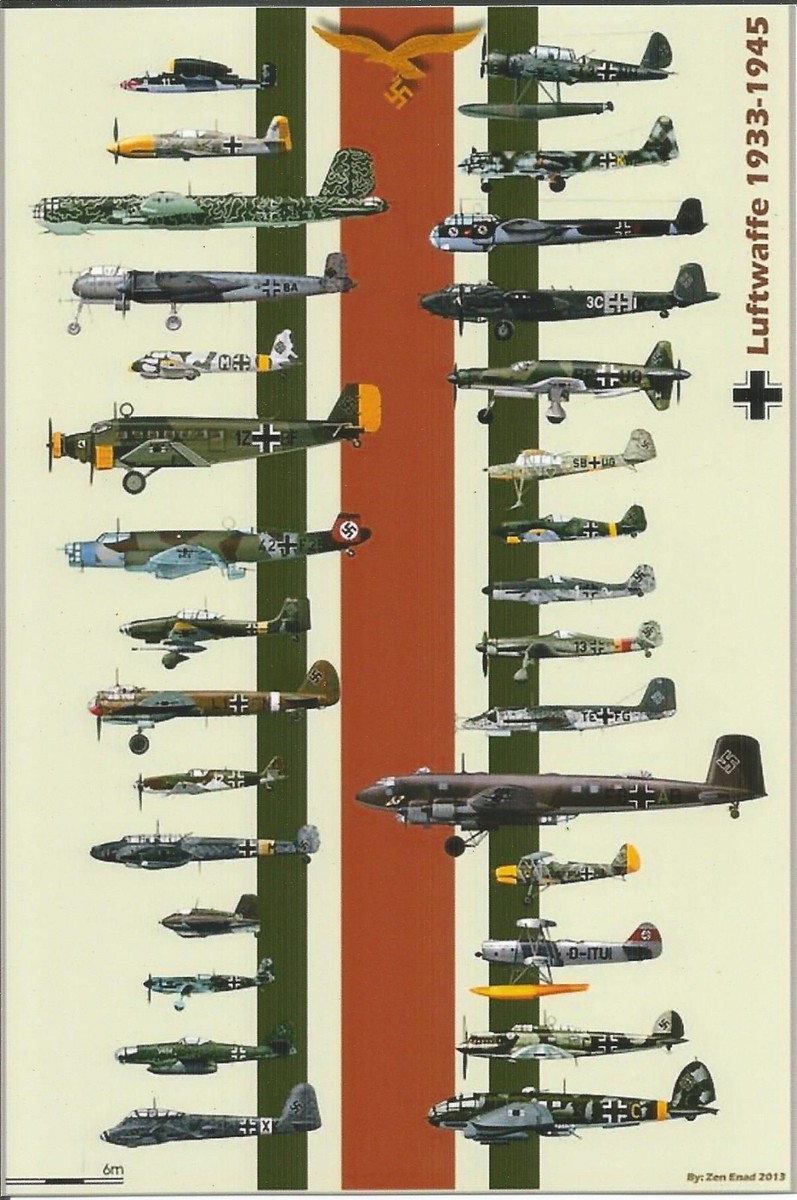
When you hear “WW2 German fighter planes,” images of sleek, aggressive silhouettes often flash across the mind. These aircraft weren’t just machines; they were the embodiment of rapid engineering under the pressure of a global conflict. From the ubiquitous Bf 109 to the groundbreaking Me 262 jet, each design tells a story of ambition, adaptation, and sometimes, stark compromise.
Early Workhorses: The Bf 109 and Its Evolution
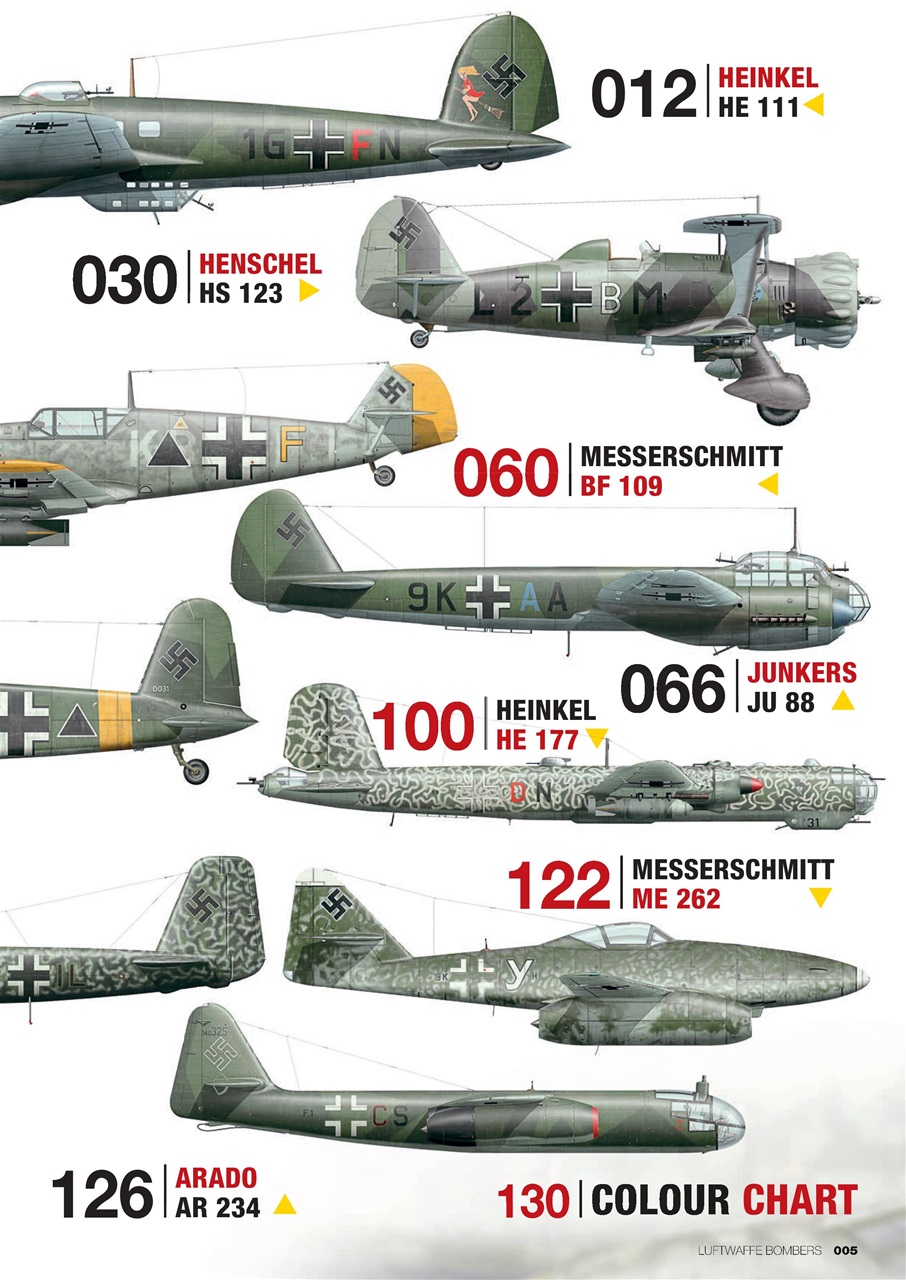
The Messerschmitt Bf 109 entered service in 1937 and quickly became the Luftwaffe’s backbone. Its design emphasized a lightweight airframe, a powerful inline engine, and a narrow-track landing gear that made ground handling tricky but saved precious kilograms in the air.
- Initial variants (E‑Series) – excelled as dog‑fighter escorts during the early Blitzkrieg.
- Later models (G‑ and K‑Series) – sported larger armament, including 20 mm cannons, to meet the growing threat of heavily armored Allied bombers.
By war’s end, more than 33,000 Bf 109s had been produced, a testament to its adaptability despite constant upgrades and the ever‑changing demands of front‑line service.
Fighting the Allies: The Fw 190 “Butcher Bird”
Developed by Focke‑Wulf, the Fw 190 first saw combat in 1941 and immediately challenged the Bf 109’s dominance. Powered by a robust radial engine, it offered superior low‑to‑mid‑altitude performance and a heavier armament package, typically two 13 mm machine guns and two 20 mm cannons.
Its versatility made it a favorite for a range of missions: from air superiority sweeps over the Eastern Front to ground‑attack runs in the Western theater. Pilots appreciated its forgiving handling, especially compared with the twitchy Bf 109, which contributed to its reputation as a “workhorse” of the Luftwaffe.
Reaching for the Future: The Me 262 Jet Fighter
The Messerschmitt Me 262 was the world’s first operational jet fighter, a true technological leap that arrived too late to alter the war’s outcome. Its twin‑engine design, using the Junkers Jumo 004 turbo‑jets, allowed speeds exceeding 540 km/h—far beyond any prop‑driven adversary.
However, the jet’s advantages came with drawbacks. Early engines suffered from short lifespans, often under an hour of flight time, and the aircraft required longer runways. Moreover, Hitler’s insistence on using the Me 262 as a bomber rather than a pure interceptor delayed its deployment as a fighter.
- Typical armament: four 30 mm MK 108 cannons, lethal against both bombers and fighters.
- Operational record: Though numbers were modest (≈1,400 built), Me 262 units claimed a favorable kill‑to‑loss ratio, especially when employed in hit‑and‑run tactics.
Late‑War Experiments: The He 162 “Volksjäger”
As the war spiraled toward defeat, the Luftwaffe rushed a “people’s fighter” project: the Heinkel He 162. Built largely of wood and powered by the same Jumo 004 turbo‑jets as the Me 262, it was designed for rapid, low‑cost production by semi‑skilled labor.
Only a few hundred airframes ever reached the front, and most never saw combat. Still, the He 162 illustrates the desperation and ingenuity that marked Germany’s final months of aircraft development.
Technical Innovations That Shaped Modern Aviation
Beyond individual models, WW2 German fighter planes introduced several concepts still relevant today. The use of **slotted flaps** and **leading‑edge slats** on the Bf 109 and Fw 190 improved low‑speed handling, a principle that modern fighters still employ. Additionally, the integration of **pressurized cabins** in high‑altitude variants foreshadowed later jet-era designs.
Perhaps the most lasting legacy is the jet propulsion experiment itself. The Me 262’s operational experience gave post‑war engineers—both Allied and Soviet—a practical look at high‑speed aerodynamics, influencing aircraft such as the F‑86 Sabre and MiG‑15.
Operational Impact: From Early Victories to Defensive Desperation
During the early war years, German fighters enjoyed air superiority across Europe, thanks in large part to the Bf 109’s speed and the Fw 190’s firepower. Their dominance enabled Blitzkrieg tactics that overwhelmed opponents before they could organize effective defenses.
By 1944, however, the balance shifted. Allied numerical superiority, coupled with improved aircraft like the Spitfire Mk IX and the P‑51 Mustang, eroded the Luftwaffe’s edge. The introduction of jets helped, but fuel shortages and strategic missteps limited their impact.
Legacy in Popular Culture and Historical Study
Even decades after the conflict, WW2 German fighter planes occupy a prominent spot in aviation museums, model‑building circles, and video games. Their distinct silhouettes—especially the Bf 109’s narrow nose and the Me 262’s swept wings—are instantly recognizable.
Historians continue to debate the “what‑ifs” surrounding these aircraft: could earlier mass production of the Me 262 have changed the air war? Would a different strategic use of the Fw 190 have prolonged German resistance? While answers remain speculative, the fascination persists, fueling ongoing research and public interest.
Frequently Asked Questions
Which German fighter was produced in the greatest numbers during WW2?
The Messerschmitt Bf 109 tops the list, with production estimates around 33,000 units, making it the most widely built fighter of the war.
Did any German fighter achieve true air superiority against the Allies?
Early in the war, both the Bf 109 and the Fw 190 enjoyed periods of local air superiority, especially on the Eastern Front. However, by 1944 the Allies’ numerical and technological advances eroded that advantage.
How did the Me 262’s performance compare to contemporary Allied fighters?
In straight‑line speed, the Me 262 outpaced any prop‑driven Allied aircraft, cruising above 540 km/h. Its climb rate and high‑altitude capabilities also surpassed most contemporaries, though its short engine life and limited numbers hampered sustained effectiveness.
Are any WW2 German fighter planes still airworthy today?
A handful of restored aircraft—most notably a few Bf 109s and an Fw 190—have been kept airworthy by dedicated enthusiasts and museums. These flying examples offer a rare, visceral glimpse into the engineering of the era.