The Ultimate Guide to OSINT in the United States
Open‑source intelligence, or OSINT, has become a cornerstone of modern investigations, journalism, and corporate risk assessments. In America, the sheer volume of publicly available data—from federal registries to social‑media streams—offers a rich hunting ground, but it also comes wrapped in a complex web of legal and ethical considerations. Whether you’re a seasoned analyst or just curious about how to turn a Google search into actionable insight, this guide walks you through the essentials of OSINT in America.
OSINT in America: Legal Landscape and Ethical Boundaries
Before you start scraping, it helps to know what the law says. The First Amendment protects the right to gather information, yet certain sources—like protected government databases or private communications—are off‑limits without explicit permission. The Computer Fraud and Abuse Act (CFAA) can be invoked if you bypass technical barriers, and the Privacy Act governs the handling of personal data collected from federal agencies. In practice, most OSINT work stays on the safe side by using only publicly accessible sites and respecting terms of service.
Key Legal Considerations
- Public vs. Private Data: Government filings, court records, and corporate disclosures are fair game; private emails and password‑protected accounts are not.
- Terms of Service: Ignoring a website’s scrape policy can expose you to civil liability, even if the data is technically public.
- State Laws: Some states have stricter privacy statutes (e.g., California’s CCPA) that affect how personal information can be stored or shared.
Ethical Guidelines Worth Following
Beyond the statutes, many OSINT practitioners adopt a code of conduct: verify sources, avoid doxxing, and be transparent about any biases that might color your analysis. A simple rule of thumb is to treat every piece of data as if it were someone’s personal property—handle it with care.
Top Open‑Source Platforms for American Researchers
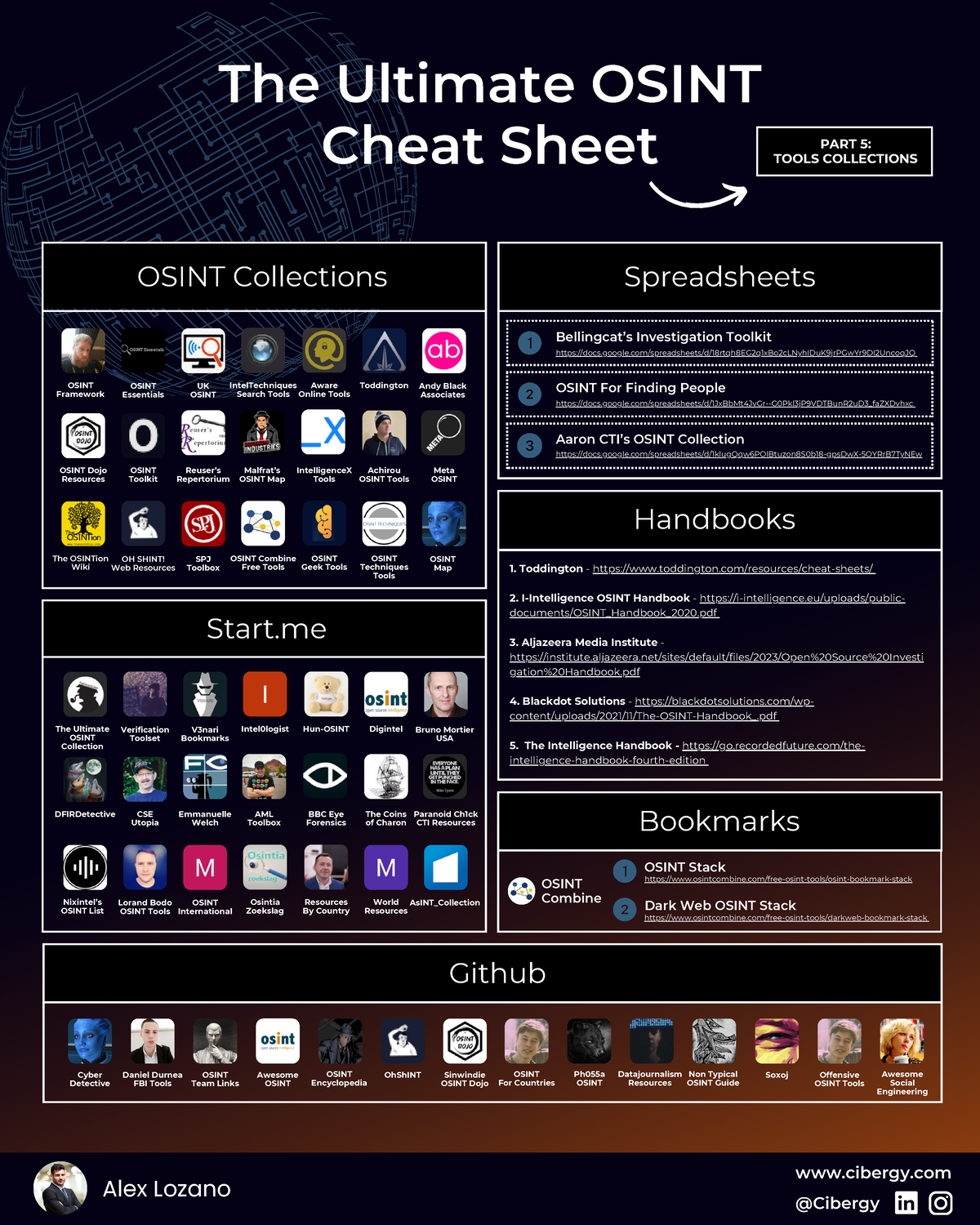
Not all tools are created equal. Some excel at digging through government archives, while others specialize in social media monitoring. Here are a few that consistently rank high among U.S. analysts.
- SEC EDGAR: The go‑to repository for corporate filings, from 10‑K reports to insider trading disclosures.
- FOIA.gov: Central hub for submitting Freedom of Information Act requests and tracking their status.
- Google Earth & USGS: Satellite imagery and topographic maps for geographic intelligence.
- Twitter Advanced Search: Powerful filters for date ranges, hashtags, and location tags.
- Wayback Machine: Archive snapshots that let you see how a website looked years ago.
Practical Steps for Effective Research
Having the right tools is only half the battle; a systematic approach makes the difference between a hunch and a solid lead.
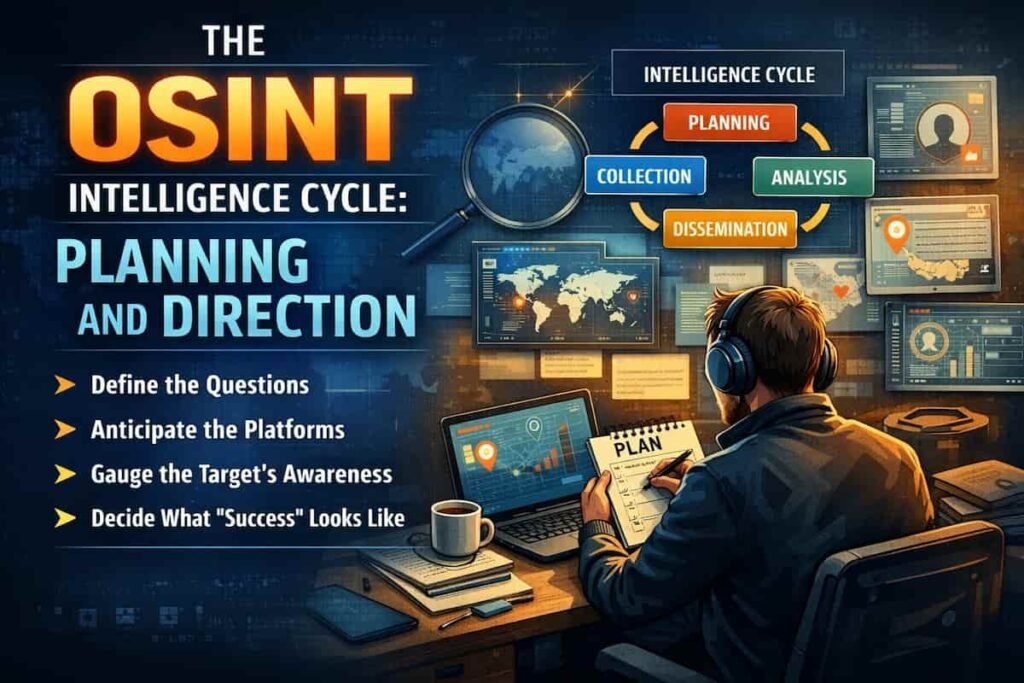
- Define a clear objective. Are you tracing a corporate hierarchy, verifying a claim, or mapping a protest route? The goal shapes every subsequent move.
- Build a source list. Start with the obvious—government registries, court dockets—then branch into niche sites like state licensing boards or local newspapers.
- Use Boolean operators. Combine keywords with AND, OR, NOT to narrow results. For example, ““John Doe” AND “LLC” NOT “obituary””.
- Document as you go. Capture URLs, timestamps, and screenshots. A well‑kept log saves hours when you need to cite evidence.
- Cross‑verify. A single source rarely tells the whole story; corroborate with at least two independent references before drawing conclusions.
Building an OSINT Skillset in the U.S.
While curiosity fuels the hobbyist, a career in OSINT often demands formal training and certifications. Courses offered by SANS Institute, the CIA’s Open‑Source Intelligence Academy, or university programs in digital forensics provide both theory and hands‑on labs. Certifications such as the Certified Open‑Source Intelligence Analyst (COSIA) demonstrate competence to employers ranging from federal agencies to private security firms.
Practical experience matters too. Volunteer for local watchdog groups, contribute to open‑source investigative projects, or practice on mock cases posted in OSINT forums. The more you experiment, the sharper your intuition becomes.
Common Pitfalls and How to Avoid Them
Even seasoned analysts slip up. Here are the most frequent mistakes and quick fixes.
- Over‑reliance on a single source. Diversify early; a single database may contain outdated or erroneous entries.
- Neglecting data provenance. Record where each piece of information came from; missing provenance can undermine credibility.
- Ignoring privacy concerns. Redact personally identifying information (PII) when sharing findings unless explicit consent is obtained.
- Skipping the legal checklist. Before mass‑downloading, double‑check the site’s terms and any relevant statutes.
Frequently Asked Questions
Is OSINT legal for individuals in the United States?
Generally, yes—if you stick to publicly available information and respect website terms of service. Illegal access to protected systems or personal accounts crosses the line into criminal activity.
What are the best free tools for beginner OSINT researchers?
Start with Google Advanced Search, the Wayback Machine, and public government portals like PACER for court documents. For social media, the native search functions of Twitter and Facebook often suffice without extra software.
Can OSINT be used for background checks on job applicants?
Employers frequently use OSINT to verify résumés, but they must comply with the Fair Credit Reporting Act (FCRA) and avoid discrimination. Using publicly posted information is permissible, yet gathering data from private databases without consent can violate the law.