TSA Airport Security: What You Need To Know
Navigating airport security can feel like walking through a bureaucratic minefield. One minute you’re waiting in line, and the next, a Transportation Security Administration officer is waving you toward a secondary screening because your laptop sleeve looked slightly suspicious. It’s 2024, yet the process often feels stuck in the past. However, the TSA guidelines have evolved, and understanding the nuances can save you time, stress, and that inevitable embarrassment of having to remove shoes for the third time.
The core of the TSA mission is preventing prohibited items from boarding aircraft while facilitating the flow of travel. You don’t need to memorize the entire rulebook, but knowing the big three—liquids, electronics, and solids—makes a massive difference. Most travelers breeze through now not because the rules changed drastically, but because they stopped guessing and started preparing.
The Liquid Rule Still Reigns Supreme
If there’s one thing every flyer knows, it’s the 3-1-1 rule. But even seasoned travelers misremember the specifics. You can bring liquids, gels, creams, and pastes in carry-on bags, provided each container is 3.4 ounces (100 milliliters) or less. These must fit into a single, clear, quart-sized bag. One bag per passenger.
Recent updates have brought some good news for those with medical needs. Passengers traveling with insulin pump supplies, breastmilk, or essential medications are no longer restricted by the 3.4-ounce limit. You can declare these items to the officer before screening, and they may undergo additional inspection like X-ray or vapor inspection. It’s not an automatic pass, but it is more flexible than the standard liquid rules.
Solids versus Liquids: The Gray Area
This is where most people get tripped up. Peanut butter is a liquid. Nutella is a liquid. Toothpaste in a non-travel-sized tube is a liquid. But cheese? Solid. Butter? Solid. Ice? Solid. The distinction matters because solids don’t require the quart bag.
Think of it this way: if it pours, sprays, spreads, or drips, it’s likely a liquid or gel. If it holds its shape, it’s a solid. This logic applies to sunscreen, hairspray, and even shampoo in solid shampoo bars. Bringing a solid deodorant stick is fine; an aerosol deodorant that exceeds 3.4 ounces goes straight into checked luggage. Knowing the difference prevents that awkward moment at the checkpoint when you realize your favorite sandwich spread won’t make the cut.
Electronics and the Tech Checklist
The rules for electronics have tightened and relaxed in waves. Currently, laptops, tablets, and large cameras generally need to be removed from your bag and placed in a separate bin. However, TSA PreCheck members can often leave these items in their bags if the technology allows for easier screening.
AirPods and other small wearable tech can stay in your pockets or the case. If your device won’t turn on, be prepared for extra scrutiny. A powered-off phone or tablet that refuses to boot might trigger a manual inspection. Ensure your devices have enough charge to power on at least once. It’s a small step, but it speeds up the process significantly.
What’s Actually Prohibited?
Beyond the obvious—guns, explosives, and firearms—there’s a list of items that surprise travelers. Drones with large batteries often fall under lithium battery restrictions. Pepper spray is allowed in checked bags but banned in carry-ons unless it’s a specific self-defense item under 4 ounces. Multi-tools with blades longer than 4 inches must be checked.
Sports equipment can also be tricky. Baseball bats, golf clubs, and ski poles are prohibited in the cabin. If you’re traveling with valuable gear, check it or rent at your destination. The TSA website has a detailed “What Can I Bring?” tool that uses simple checkboxes to confirm ambiguous items. It’s worth a quick look before you pack.
Streamlining Your Experience
If you fly frequently, enrolling in TSA PreCheck is one of the best investments you can make for your peace of mind. For a modest fee, you get access to dedicated lanes where you keep your shoes on, light jackets on, and laptops in bags. It eliminates the ritual of stripping down and shuffling through bins.
For occasional flyers, there are still strategies. Wear shoes that are easy to slip off. Avoid belts with large buckles. Keep your frequent flyer card or boarding pass ready and scanned. Dress in layers that are easy to remove if you end up in a standard lane. The less you force the officers to work, the faster you’ll move through.
Handling Discretion and New Tech
TSA officers have broad discretion. They can select anyone for additional screening, regardless of race, religion, or appearance. It’s often random, but it can also be based on behavioral cues or algorithmic flags. If you’re selected, remain calm. Cooperate fully, but you do have the right to request a supervisor or refuse certain screenings. Refusing may mean you cannot board, but knowing your rights provides a layer of comfort.
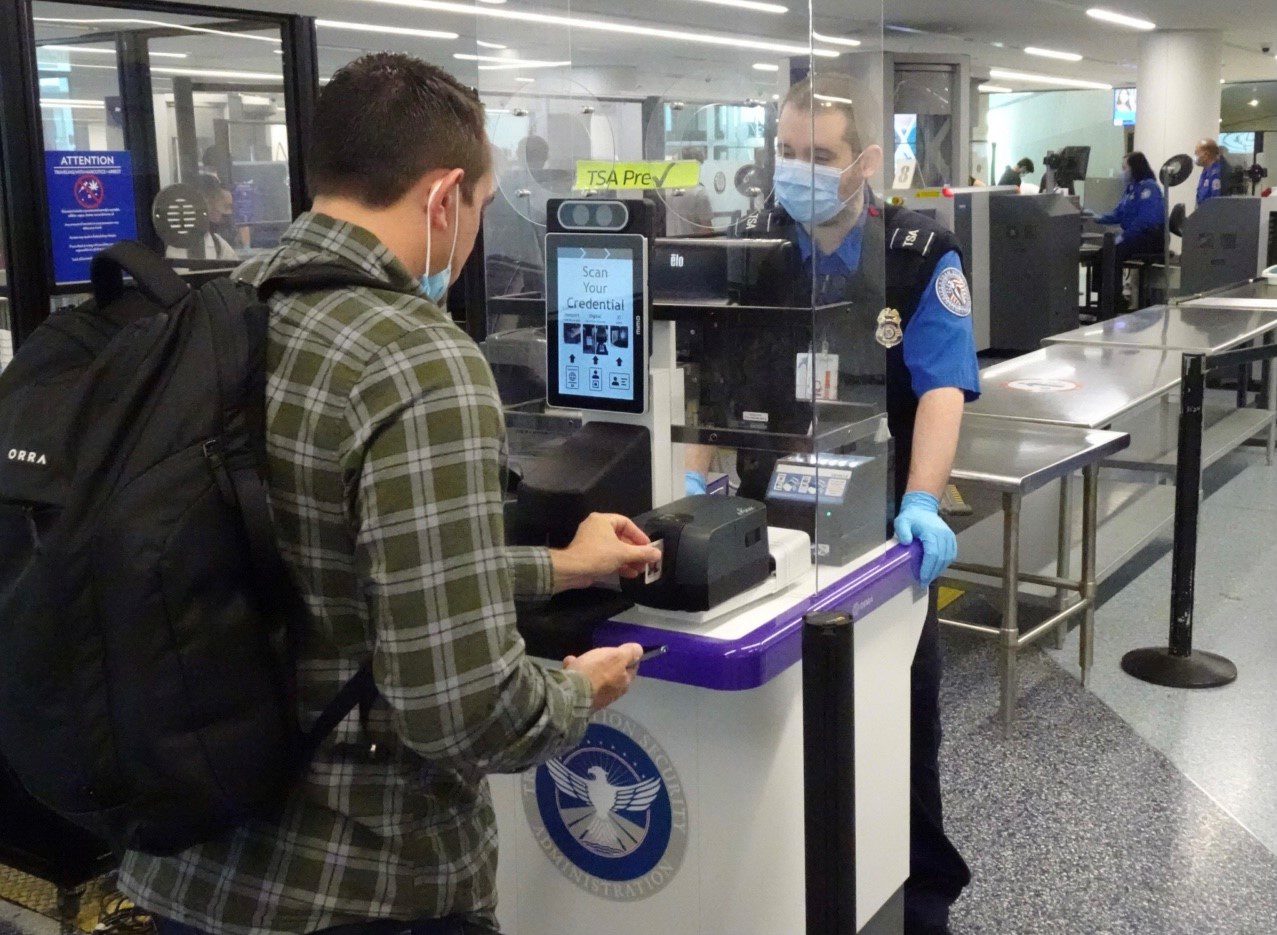
New scanning technologies, like Advanced Imaging Technology (AIT) and Computer Tomography (CT) scanners, are rolling out at major airports. These provide 3D images of carry-on bags, allowing officers to see inside without you removing laptops or liquids. If your airport has CT scanners, you might experience a much faster process where you leave everything in your bag. Check your airport’s specific procedures before you go.
Final Thoughts on Preparation
Airport security isn’t designed to be punishing; it’s designed to be thorough. The friction you feel is a byproduct of that goal. By understanding the rules—especially the liquid and electronic guidelines—you can reduce stress and avoid delays. Pack smart, dress wisely, and stay informed. Your next flight will be smoother, and you might even enjoy the journey to the gate.
Frequently Asked Questions
Can I bring a water bottle through security?
Yes, if it’s empty. You can fill it up after you pass through security. Full bottles must comply with the 3-1-1 rule.
Do I need to take off my jacket in TSA PreCheck?
Generally, no. Most travelers can keep light jackets on. Heavy coats or bulky sweaters may require removal.
What happens if I forget my ID?
You can still fly, but you’ll undergo additional identity verification questions and screening. This process takes longer, so arrive early.
Are power banks allowed in carry-on?
Yes, spare lithium batteries and power banks must be in carry-on bags. They are prohibited in checked luggage due to fire risk.
![TSA Checklist (Tips & PDF) [2021] - UponArriving](https://www.uponarriving.com/wp-content/uploads/2020/12/TSA-Checklist.jpg)