Understanding Global Economic Divides: SemiPeriphery Vs. Periphery
The concept of semi-periphery and periphery has been widely used in sociology and economics to describe the disparities in global economic development. These terms were first introduced by Immanuel Wallerstein in his world-systems theory, which aims to explain the dynamics of the global economy and the relationships between different regions. In this article, we will delve into the differences between semi-periphery and periphery, and explore how these concepts can help us understand the global economic divides.
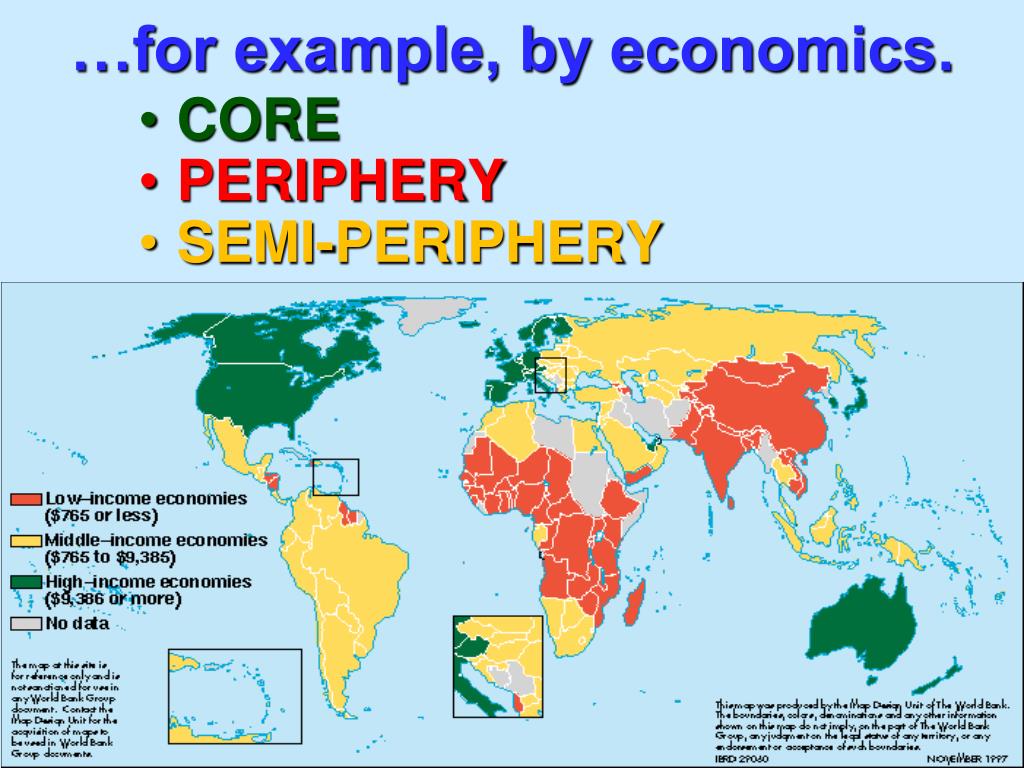
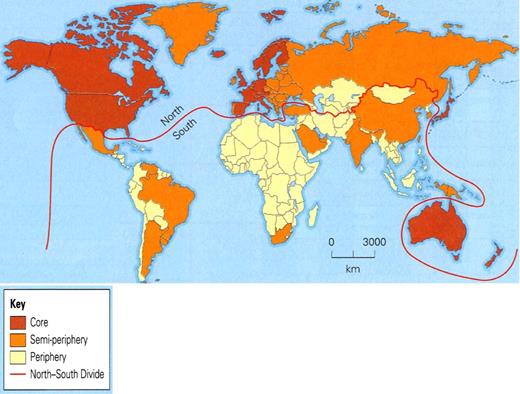
The world-systems theory posits that the global economy is divided into three main categories: core, semi-periphery, and periphery. The core consists of countries that are highly developed and dominate the global economy, such as the United States, Germany, and Japan. The periphery, on the other hand, refers to countries that are underdeveloped and marginalized, often exploited by the core countries for their natural resources and cheap labor. The semi-periphery occupies a middle position, comprising countries that are more developed than the periphery but less developed than the core.
Characteristics of the SemiPeriphery
Countries in the semi-periphery exhibit a mix of characteristics from both the core and the periphery. They have some level of industrialization and economic development, but they also face significant challenges and dependencies on the core countries. Some common features of semi-peripheral countries include:
- A relatively developed manufacturing sector, with a focus on export-oriented industries
- A growing service sector, with a focus on finance, technology, and tourism
- A significant level of foreign investment, often from core countries
- A mix of modern and traditional economic activities, with a strong presence of informal sectors
- A relatively high level of human development, with access to education, healthcare, and other social services
Examples of semi-peripheral countries include Brazil, China, and Turkey. These countries have made significant progress in recent decades, with rapid economic growth and industrialization. However, they still face significant challenges, including income inequality, environmental degradation, and dependence on foreign investment.
Characteristics of the Periphery
Countries in the periphery are typically underdeveloped and marginalized, with limited access to resources, technology, and global markets. Some common features of peripheral countries include:
- A dominant agricultural sector, with a focus on subsistence farming and export of raw materials
- Limited access to education, healthcare, and other social services
- A high level of poverty and income inequality
- A significant dependence on foreign aid and remittances
- A vulnerable position in the global economy, with limited ability to negotiate trade agreements or protect their interests
Examples of peripheral countries include many countries in sub-Saharan Africa, such as Somalia, Liberia, and the Democratic Republic of Congo. These countries face significant challenges, including poverty, conflict, and environmental degradation, and often struggle to access basic services such as healthcare and education.
Implications of the SemiPeriphery and Periphery
The concepts of semi-periphery and periphery have important implications for our understanding of global economic divides. They highlight the significant disparities in economic development and the unequal relationships between different regions. The semi-periphery and periphery are not fixed categories, and countries can move between them over time. However, the process of moving from the periphery to the semi-periphery or from the semi-periphery to the core is often slow and difficult, requiring significant investments in education, infrastructure, and institutional development.
The semi-periphery and periphery also have important implications for global governance and policy-making. They highlight the need for more equitable and inclusive global economic systems, with a greater focus on the needs and interests of marginalized countries. This can involve reforms to international trade agreements, increased foreign aid and investment, and greater support for sustainable development and poverty reduction.
Conclusion
In conclusion, the concepts of semi-periphery and periphery are essential for understanding the global economic divides. They highlight the significant disparities in economic development and the unequal relationships between different regions. By recognizing the characteristics and challenges of semi-peripheral and peripheral countries, we can work towards more equitable and inclusive global economic systems, with a greater focus on the needs and interests of marginalized countries.