Unmasking the Ghost Woman in Japanese Horror: From Yurei to Modern Screen
In Japanese horror, the ghost woman—often called a yūrei or onryō—has long been a haunting presence. These spectral figures weave grief, betrayal, and supernatural retribution into the narratives that keep viewers on the edge. By examining their roots, filmic portrayals, and the cultural echoes they carry, we can see why the ghost woman remains a staple of Japanese horror movies.
Origins: Yūrei, Onryō, and the Art of the Unfinished Business
Japanese folklore distinguishes between yūrei, spirits lingering from unresolved emotions, and the more malevolent onryō, who actively seek vengeance. These distinctions emerged from Edo‑period ghost stories, where women who died tragically—by suicide, betrayal, or unjust death—were believed to haunt the living until their grievances were addressed.
The archetype found early expression in kabuki and Noh theater, where characters like the “ghost woman” delivered chilling monologues. Over time, the trope migrated into literature and, eventually, cinema, retaining its core themes while adapting to contemporary anxieties.
Key Filmic Examples: From Classic to Contemporary
Below are some landmark Japanese horror movies that feature ghost women, each illustrating a different angle on the trope:
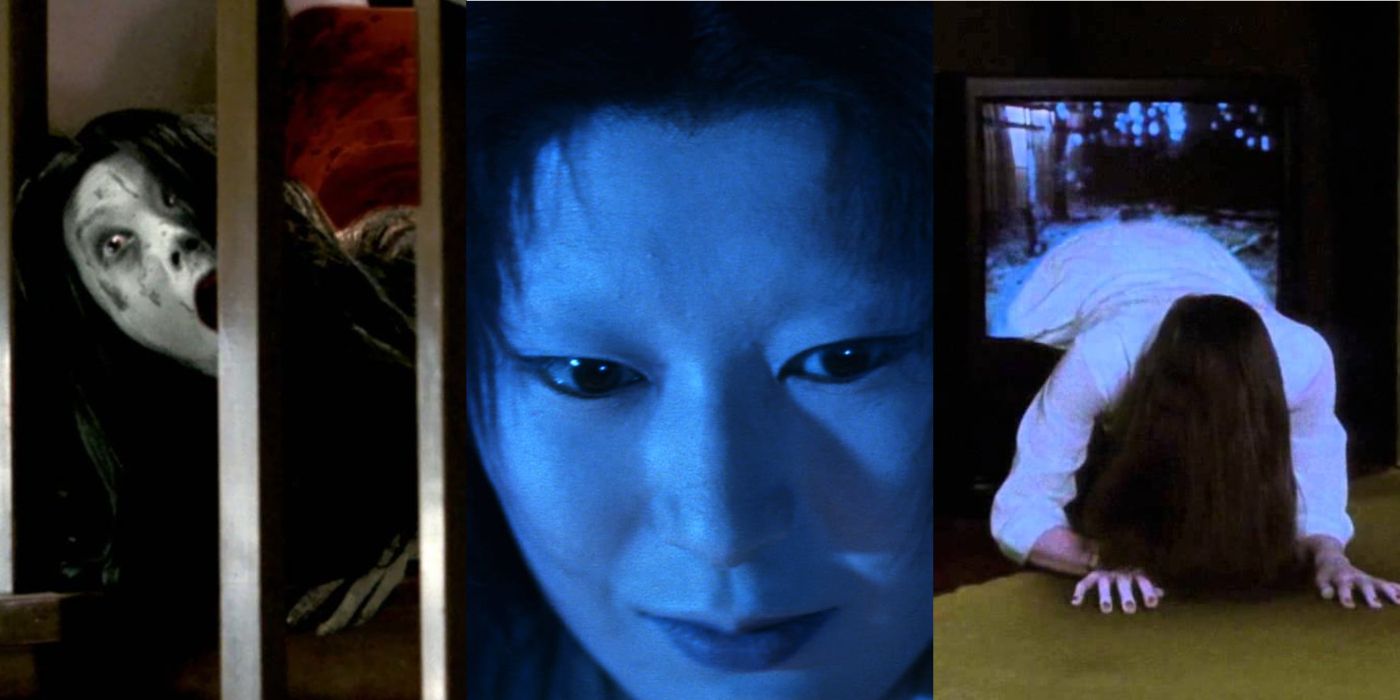
- Ringu (1998) – The vengeful woman from the cursed videotape, whose death on a beach sets off a chain of fatal watchers.
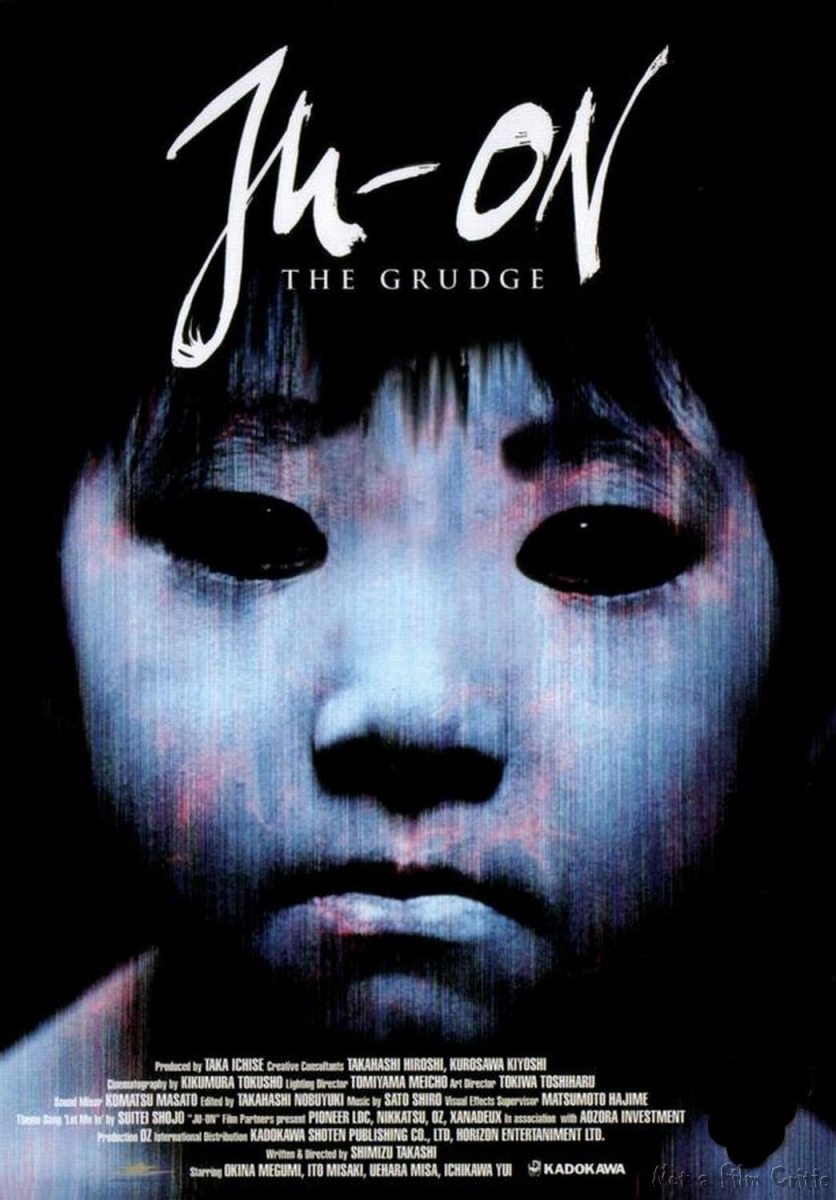
- Ju‑On / The Grudge (2002) – An onryō named Kayako, whose curse turns any who encounter her into victims of a lingering curse.
- Kwaidan (1964) – A silent anthology where the woman in the yellow dress in “The Woman with the Red Hair” offers a more nuanced, tragic perspective.
- Onibaba (1964) – Although not a ghost, the female lead embodies the haunting spirit of war‑scarred women, blurring the line between living horror and spectral dread.
- Uzumaki (2015) – A surreal retelling of a cursed village, with a ghostly woman who embodies the town’s spiraling madness.
Each of these films demonstrates how the ghost woman can serve as a catalyst for terror, a mirror of societal fears, or a tragic figure demanding resolution.
Why the Ghost Woman Persists in Modern Cinema
The endurance of the ghost woman trope lies in its flexibility. In a rapidly changing Japan, the ghost woman can be:
- A symbol of unresolved social injustices—such as gender discrimination or wartime trauma.
- A vehicle for exploring the psychological scars that modern life can leave.
- A means to connect contemporary audiences with age‑old folklore, creating a sense of continuity and cultural identity.
Filmmakers also benefit from the visual language associated with ghost women—silvery sheets, red lips, and flickering lights—making them instantly recognizable to viewers worldwide.
Modern Takes: Subverting the Trope
Recent movies like Infection (2013) and Nightmare Vacation (2020) have turned the ghost woman on its head. Rather than merely terrorizing, they explore her motivations, offering a more empathetic view. This shift reflects a broader trend in horror: the move from pure dread to complex storytelling.
Audience Impact: The Psychological Pull of a Silent Wail
Psychologically, the ghost woman taps into a primal fear of the unknown. The woman’s silence or faint, sorrowful voice often conveys an emotional weight that a purely malevolent monster cannot match. This emotional depth forces audiences to confront their own suppressed emotions, creating a resonant horror experience that lingers beyond the credits.
Behind the Scenes: How Filmmakers Bring Ghost Women to Life
Creating a convincing ghost woman involves more than makeup. Directors typically rely on:
- Sound design: subtle breathing, creaking floors, and distant, mournful music.
- Lighting: low-key illumination with stark shadows to hint at a presence behind the frame.
- Minimal physical interaction: most ghost women appear through reflections or off‑screen, enhancing the sense of an unseen threat.
These techniques work together to build tension while keeping the focus on the narrative’s emotional core.
FAQs About Ghost Women in Japanese Horror
- What distinguishes a yūrei from an onryō? Yūrei are spirits with unresolved feelings, often portrayed as passive or melancholic, while onryō actively seek vengeance and are typically more dangerous.
- Do ghost women always appear as victims? Not always. Some films depict them as complex characters driven by circumstances, challenging the simplistic victim narrative.
- How can I recognize a ghost woman in a horror film? Look for visual cues—flowing white garments, pale skin, red lips, and an uncanny presence that seems to hover at the edges of scenes.
- Why do ghost women resonate with international audiences? Their blend of emotional depth, cultural folklore, and universal themes of loss and justice transcends linguistic barriers.
Unmasking the ghost woman reveals more than just a spectral figure; it uncovers the layers of Japanese culture, collective memory, and evolving cinematic storytelling. By understanding these layers, we appreciate why the ghost woman continues to haunt screens around the world.