Unveiling Antarctic Research Institutes: How They Advance Science
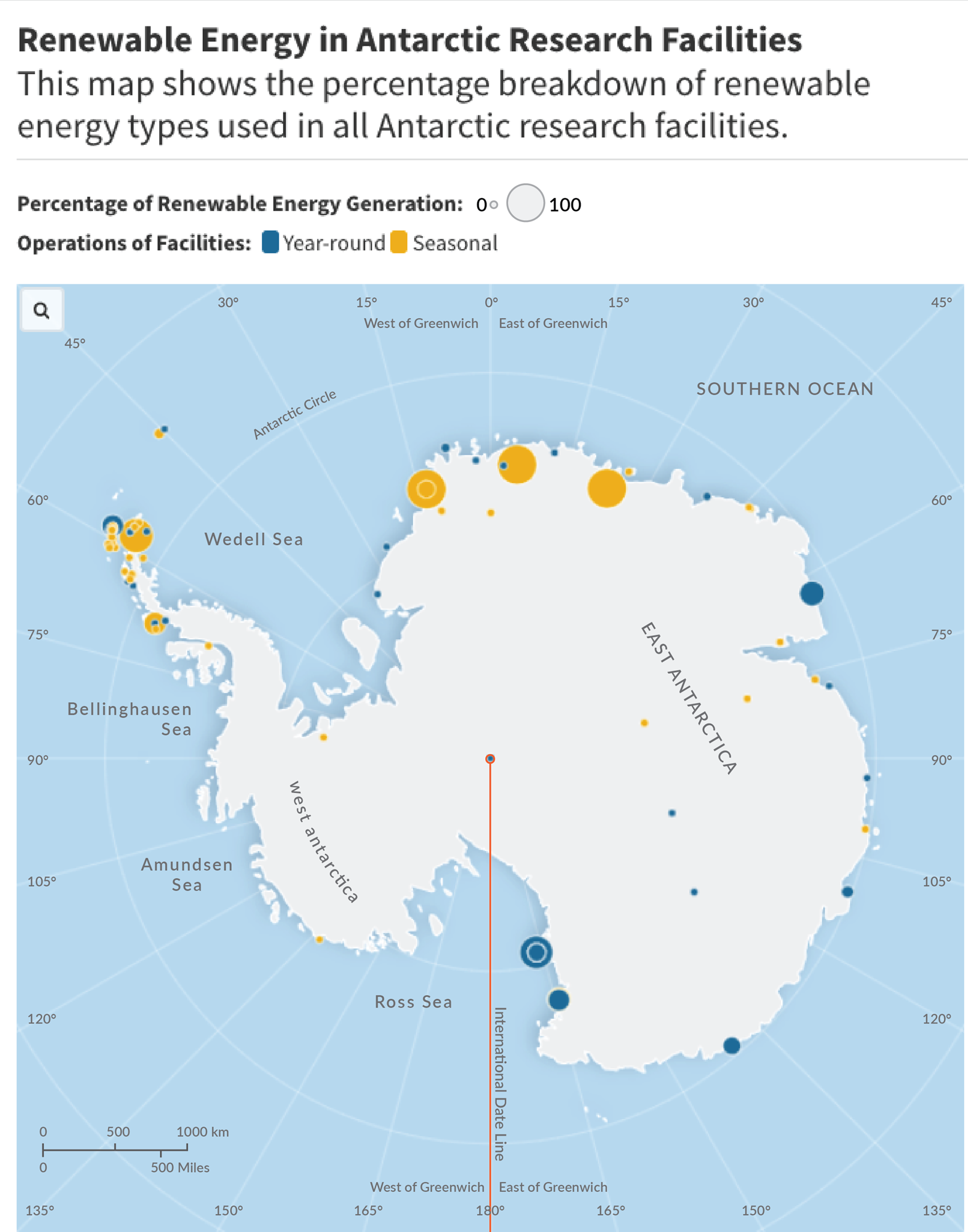
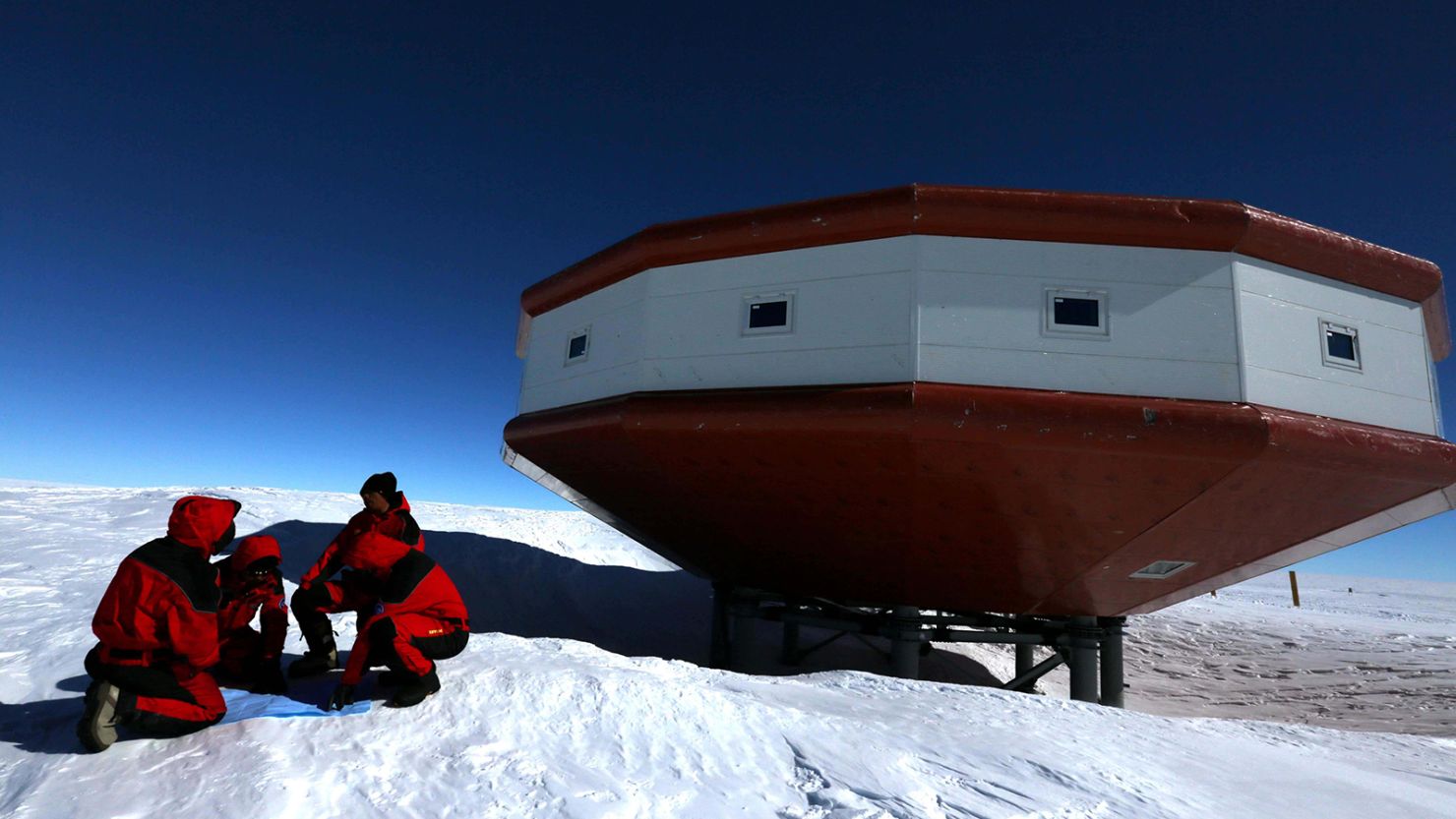
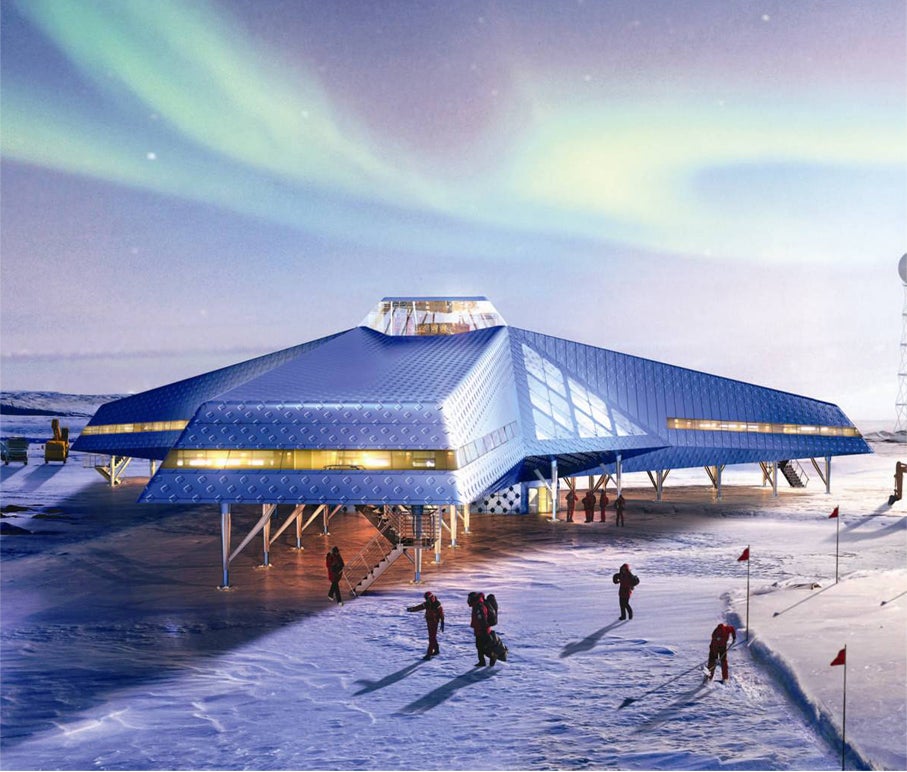
When you picture Antarctica, you might first think of endless ice and lone penguins. Yet beneath that frozen facade lies a bustling network of research institutes, each pushing the boundaries of what we know about Earth’s most extreme continent. These organizations aren’t just outposts; they’re collaborative laboratories where climate, biology, and even astronomy converge.
The Origins of Antarctic Exploration
Early 20th‑century expeditions, from Shackleton’s daring trek to Amundsen’s triumph, were more about survival than science. It wasn’t until the International Geophysical Year of 1957‑58 that governments recognized Antarctica’s potential as a natural laboratory. That pivotal moment birthed the first permanent research stations and set the stage for today’s institute-driven research model.
Key Players on the Ice
Today, a handful of institutes dominate the scientific landscape, each bringing its own flavor of expertise.
- British Antarctic Survey (BAS) – Renowned for pioneering work in glaciology and marine biology, BAS operates iconic sites like Rothera and Halley.
- United States Antarctic Program (USAP) – Managed by the National Science Foundation, USAP runs the massive McMurdo Station, serving as a logistical hub for interdisciplinary projects.
- Australian Antarctic Division (AAD) – With a focus on environmental management, AAD’s Casey and Davis stations monitor Southern Ocean ecosystems.
- French Polar Institute Paul‑Émile Victor (IPEV) – Known for its multidisciplinary approach, IPEV blends climate research with cutting‑edge oceanography.
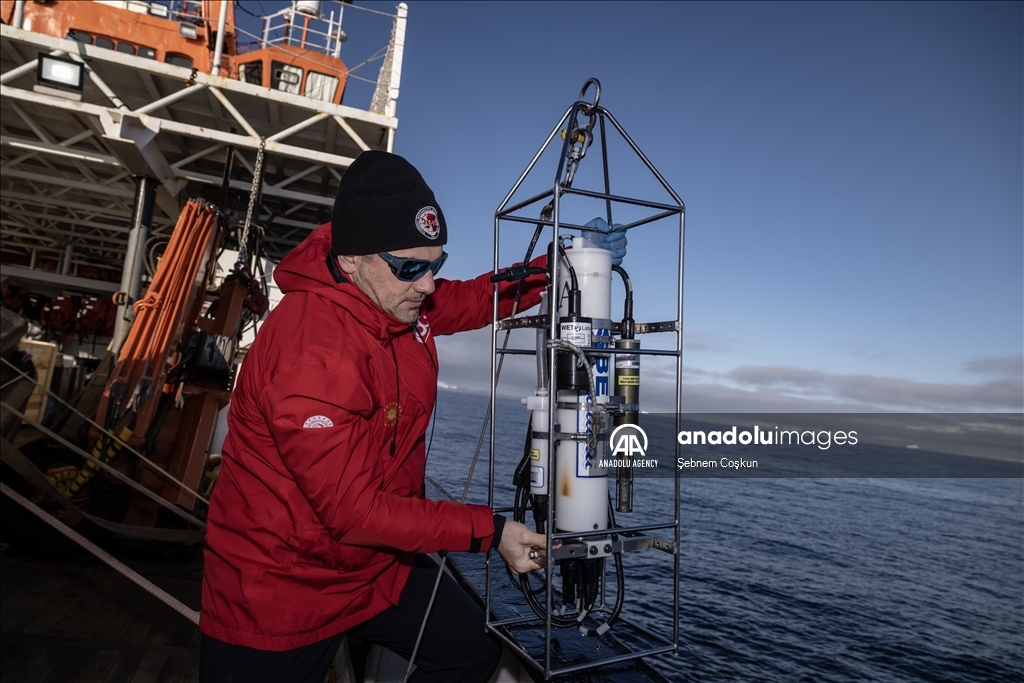
- German Alfred Wegener Institute (AWI) – Specializes in marine research, often deploying ice‑breaking research vessels to sample deep‑sea biodiversity.
Research Frontiers
What truly sets these institutes apart is the breadth of questions they tackle. Below are some of the most compelling research strands.
Climate Change and Ice Dynamics
Ice sheets are not static monoliths; they flow, fracture, and melt in response to atmospheric and oceanic forces. Instruments like GPS stations, satellite altimetry, and autonomous sub‑surface probes feed a steady stream of data, enabling scientists to model sea‑level rise with unprecedented precision.
Life at the Edge
From resilient microbes that thrive beneath the ice to the annual migrations of krill, Antarctic biology reveals adaptation strategies that could inform everything from biotechnology to astrobiology. Researchers often isolate extremophiles to study their unique enzymes—some of which already have industrial applications.
Atmospheric Chemistry and Ozone Recovery
The continent’s pristine skies make it the ideal place to monitor trace gases. Long‑term observations have documented the slow rebound of the ozone layer, a success story that underscores the importance of global cooperation.
Astronomy Under the Stars
At first glance, looking up from a snowfield may seem unremarkable. Yet the South Pole’s dry, stable air provides an almost unparalleled window to the cosmos. Projects like the IceCube Neutrino Observatory—hosted by USAP—detect sub‑atomic particles that pass through the Earth, offering insights into distant astrophysical events.
Logistics: The Unsung Hero
Running a research institute at the bottom of the world is a logistical ballet. Supplies travel via ice‑breaker ships or cargo aircraft, often contending with sudden storms and shifting sea ice. Every kilogram of cargo is meticulously accounted for; a miscalculation could jeopardize an entire season’s work.
Moreover, mental health support has become a priority. Institutes now provide robust communication links, recreational facilities, and regular psychological check‑ins to keep crews resilient during the long, isolating winters.
International Cooperation: The Antarctic Treaty System
One of the most remarkable aspects of Antarctic research is its foundation on peace and collaboration. The Antarctic Treaty, signed in 1959, designates the continent for scientific purposes only, banning military activity and mineral exploitation. This framework encourages data sharing, joint field campaigns, and even joint funding proposals.
For example, the International Polar Year 2007‑08 saw over 60 nations contribute to coordinated research, producing a wealth of cross‑disciplinary datasets that continue to inform policy today.
Challenges on the Horizon
Despite their successes, institutes face mounting hurdles.
- Funding Volatility – Economic downturns can throttle research budgets, forcing scientists to prioritize short‑term projects over long‑term monitoring.
- Environmental Impact – Even well‑intentioned activities risk contaminating pristine ecosystems. Institutes now adhere to strict waste‑management protocols, but balancing scientific access with conservation remains delicate.
- Technological Limits – While autonomous sensors have expanded reach, extreme cold still hampers battery life and data transmission, prompting ongoing engineering innovation.
Where Do We Go From Here?
Antarctic research institutes are at a crossroads where scientific curiosity meets global responsibility. As climate models become more refined, the data harvested from these outposts will be pivotal in shaping mitigation strategies worldwide.
Future initiatives—like expanding the network of autonomous underwater vehicles or establishing a permanent deep‑ice drilling program—promise to unlock new realms of knowledge. Yet their success will hinge on continued international goodwill and sustained investment.
In the end, the story of Antarctic research institutes is less about isolated stations scattered across ice, and more about a global community united by the desire to understand our planet’s most remote frontier. Each discovery, whether it’s a newly identified microbial pathway or a subtle shift in ice flow, reverberates far beyond the cold, reminding us that even the most distant corners of Earth are intimately linked to our shared future.