Unveiling Japanese Table Tennis: How the Sport Is Redefining Play
Why Japan Captures Global Attention
When you think of table tennis powerhouses, China often leads the conversation. Yet, over the past two decades Japan has emerged as a rival that not only challenges the status quo but also injects fresh style into the game. From sleek paddle technology to a training ethos that blends discipline with creativity, the Japanese approach feels both traditional and daring.
The Foundations: School Clubs and Community Gyms
In Japan, the journey usually starts in the school club system. Elementary schools set up “kurabu” (clubs) where kids practice after class. High‑school tournaments draw crowds rivaling professional matches, and university leagues act as a springboard for future stars.
What’s striking is the community’s involvement: local recreation centers host weekend open‑play sessions, and many senior players volunteer as coaches. This grassroots network creates a pipeline that constantly feeds talent into the national program.
Key Elements of the Training Culture
- Technical precision: Drills focus on spin variation and footwork, often repeated hundreds of times a day.
- Mental resilience: Meditation and breathing exercises are standard before intense practice blocks.
- Data‑driven analysis: Video breakdowns of opponents are reviewed in team meetings, a habit borrowed from baseball.
Stars Who Changed the Narrative
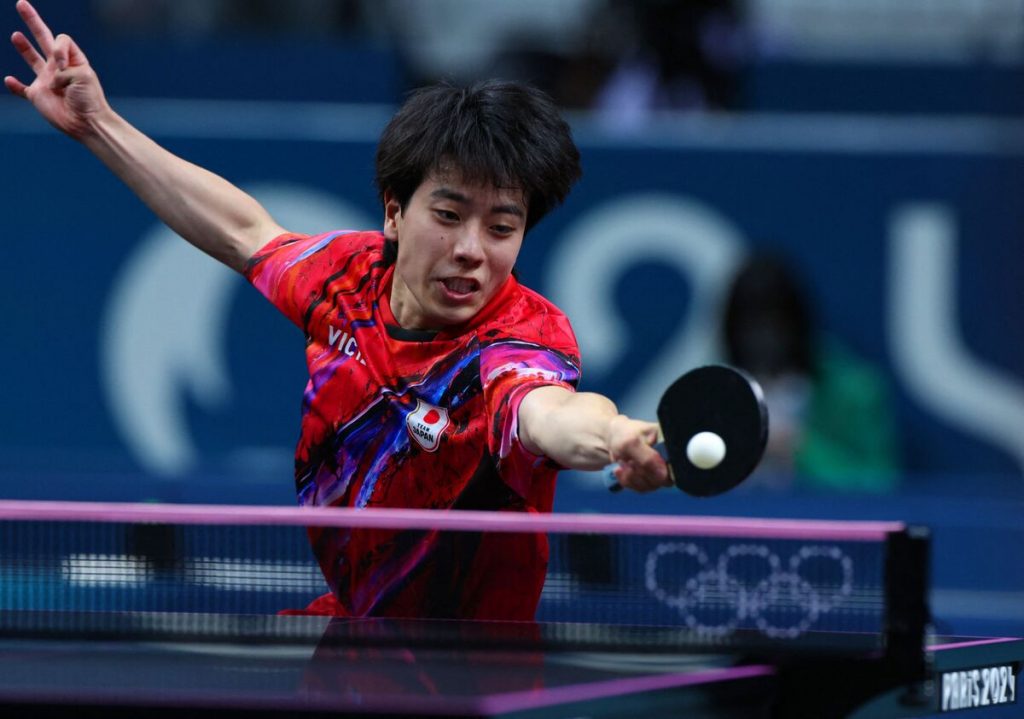
Names like Jun Mizutani and Mima Ito have become household references, not just in Japan but worldwide. Mizutani’s aggressive forehand and Ito’s uncanny speed have inspired a generation to experiment beyond the classic topspin loops.
Some younger prodigies, such as Tomokazu Harimoto, have already shattered age records, winning senior titles before turning twenty. Their success signals that Japan’s development system can produce world‑class talent at remarkably young ages.
Equipment Innovation: The Japanese Edge
It’s not all about raw skill; the equipment scene plays a pivotal role. Japanese manufacturers, notably Butterfly and Yasaka, have pioneered “tacky” rubber surfaces that generate extra spin without sacrificing control. The “Sakura” and “Tenergy” series are staples on many pro tables.
Moreover, a subtle shift toward lighter blades—often crafted from multiple layers of thin wood and carbon—allows players to accelerate faster through the rally. The result is a style that feels both swift and graceful.
Choosing the Right Setup
If you’re curious about mimicking a Japanese style, consider these basics:
- Opt for a blade under 85 grams for quicker footwork.
- Pair it with a tacky, medium‑to‑hard sponge rubber to maximize spin potential.
- Experiment with “reverse penhold backhand” (RPB) grips if you’re feeling adventurous.
Strategic Shifts: From Power to Placement
Historically, the sport was dominated by sheer power—think fast drives and relentless attacks. Japanese players, however, have introduced a nuanced emphasis on placement. A well‑placed short serve followed by a delicate flick can destabilize even the strongest opponent.
These tactics rely heavily on reading the opponent’s body language, a skill honed through countless match simulations. The payoff? Longer rallies that test endurance and mental fortitude rather than just raw speed.
The International Impact
During recent World Championships, Japanese athletes accounted for half of the medal tally, a testament to the country's growing influence. Their style has pushed competitors from Europe and the Americas to adapt, leading to a richer, more diverse tactical landscape worldwide.
Coaches outside Japan now incorporate Japanese drills into their programs, and many professional leagues schedule exhibition matches with Japanese teams to expose local players to this fresh perspective.
Future Directions: Youth Programs and Tech Integration
Looking ahead, Japan’s table tennis federation is betting on technology. Wearable sensors that track swing speed and spin rates are being trialed in junior academies. Combined with AI‑assisted video feedback, young athletes receive instant, personalized corrections.
At the same time, grassroots initiatives aim to keep the sport accessible. Affordable equipment drives in rural areas and school‑based “ping‑pong festivals” ensure that interest doesn’t wane after the high‑school years.
What This Means for Fans
If you’re a spectator, expect matches that balance lightning‑quick exchanges with graceful, almost choreographed rally buildups. The atmosphere at a Japanese league match feels less like a relentless barrage and more like a strategic dance—each point an invitation to anticipate the next move.