Volleyball Rotation Rules: A Simple Guide for Beginners
There is a distinct moment in every volleyball match when the chaos of the net suddenly stops, and players freeze. Then, like clockwork, they begin to shuffle clockwise. If you are new to the sport, this movement can look confusing. One minute, your best hitter is front-row; the next, she is playing libero in the back. This is the essence of volleyball rotation.
Unlike soccer or basketball, where players roam freely within their half, volleyball enforces a strict positional order. Understanding these rotation rules isn’t just about avoiding penalties; it’s the key to unlocking your team’s strategic potential. It ensures that every player gets a chance to serve, attack, and block, keeping the game balanced and dynamic.
The Clockwise Movement
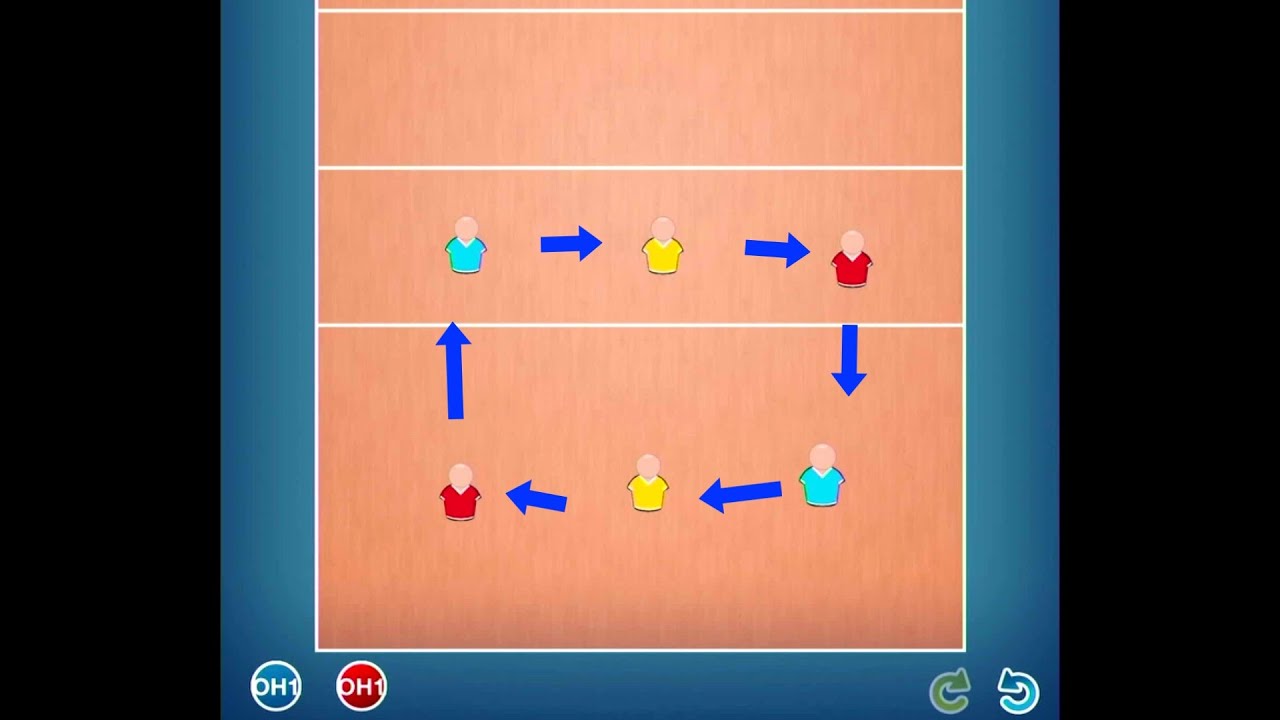
The fundamental rule of volleyball rotation is simple: clockwise. When your team wins the serve back from the opponents, the six players on the court must rotate one position in a clockwise direction. Imagine a clock face. Player 1 moves to where Player 6 was. Player 6 moves to Player 5’s spot, and so on.
This rotation is mandatory. If you fail to rotate after regaining the serve, the referee will call a "rotation fault." The opposing team gets the point, and they regain possession. It’s an easy mistake to make, especially in high-pressure junior leagues, but muscle memory soon takes over.
Front Row vs. Back Row
The court is divided into two zones: the front row (closest to the net) and the back row (closest to the baseline). After a rotation, every team has three players in the front and three in the back. This distinction dictates what actions are legal for each player.
- Front Row Players: These are your attackers and blockers. They can jump to spike the ball over the net, block an opponent’s attack, and play anywhere in the front zone. They are the primary offensive force.
- Back Row Players: These players are primarily defenders. They can attack the ball, but they cannot jump to spike from in front of the 10-foot attack line. They can, however, jump and hit the ball if they launch themselves from behind that line. More importantly, they cannot block or attempt to block at the net.
This separation allows teams to create balance. Even if your tallest player rotates to the back row, she can still contribute offensively by jumping from deep behind the line, a move often called a "back row attack."
Serving Order and Setter Stability
One common misconception is that the server changes every time. In reality, the server changes every time your team wins the serve back. However, the order in which players serve is fixed for that rotation.
For example, if Player A is in position 1 (right back), she serves. If your team wins the rally, you rotate. Now, the player who was in position 6 moves to position 1 and serves. The team continues to serve until they lose a rally, at which point the opponents serve.
This system is why setters often have a "home base." Because the setter needs to be in the front row to run plays, coaches design their rotation to keep the setter in the front row as much as possible. This is done by having the setter play in position 1 (right back) during rotation, so when the team rotates, the setter moves into the front row (position 2 or 3).
The "Freeze" Rule: Positioning Before the Serve
Rotation doesn’t just happen during the serve; it defines positioning at the moment of contact. When the server hits the ball, each player must be in their correct rotational position relative to their teammates.
Specifically:
- Front row players must have at least part of their feet closer to the net than the feet of back row players in the same line.
- In the same row, players must be in their proper left-to-right order. For example, the player in position 2 must be to the right of the player in position 3.
Once the ball is served, players are free to move anywhere on the court. The setter might jump to the front line; the hitter might dive behind the back line. The positions only matter at the exact split-second the server contacts the ball. This freedom allows for complex defensive formations and creative plays after the initial serve.
The Libero Exception
The libero is the great equalizer in volleyball rotation. This defensive specialist wears a contrasting jersey and has unique privileges. Most notably, the libero can replace any back-row player without using a substitution slot, and they can switch in and out at the end of every rally.
However, the libero cannot rotate to position 1 (the serve position) unless they are playing in a state that allows liberos to serve (which is rare at the professional and collegiate levels in the US). Furthermore, the libero cannot block or attack the ball if it is entirely above the net. This role is strictly defensive, ensuring that the team always has its best passer on the court.
Why Rotation Matters Strategically
At the beginner level, rotation is just a rule to follow. At advanced levels, it is a tactical weapon. Coaches design "rotational formations" to exploit mismatches.
For instance, a team might choose to rotate such that their tallest blockers end up in the front row against the opponent’s best outside hitter. Or, they might allow a weaker passer to serve from the back right while their setter is in the front right, ready to set quick taps. Understanding rotation allows you to see the game three steps ahead. You aren’t just reacting to the ball; you are anticipating where your teammates will be.
FAQs About Volleyball Rotation
Can players cross positions after the serve?
Yes. Once the server contacts the ball, players are free to move anywhere on their side of the court. The positional rules only apply at the moment of the serve.
What happens if the wrong player serves?
If a player serves out of order but the team is in the correct rotational positions, there is no fault. However, if the team fails to rotate after winning the serve, it is a rotation fault, resulting in a point and serve for the opponents.
Does the rotation reset after a timeout?
No. Timeouts and substitutions do not reset rotation. The team must continue in the current rotational order until they lose the serve. If a substitution occurs, the incoming player assumes the rotational position of the player they replaced.