What Are Dicotyledon Plants? Key Characteristics & Examples
When you stroll through a garden or wander a forest, you’re surrounded by a hidden taxonomy that most people never notice. One of the biggest divides in the plant world is between dicotyledons and their monocot cousins. If you’ve ever wondered what makes a plant a “dicot,” you’re in the right place.
Defining Dicotyledon Plants
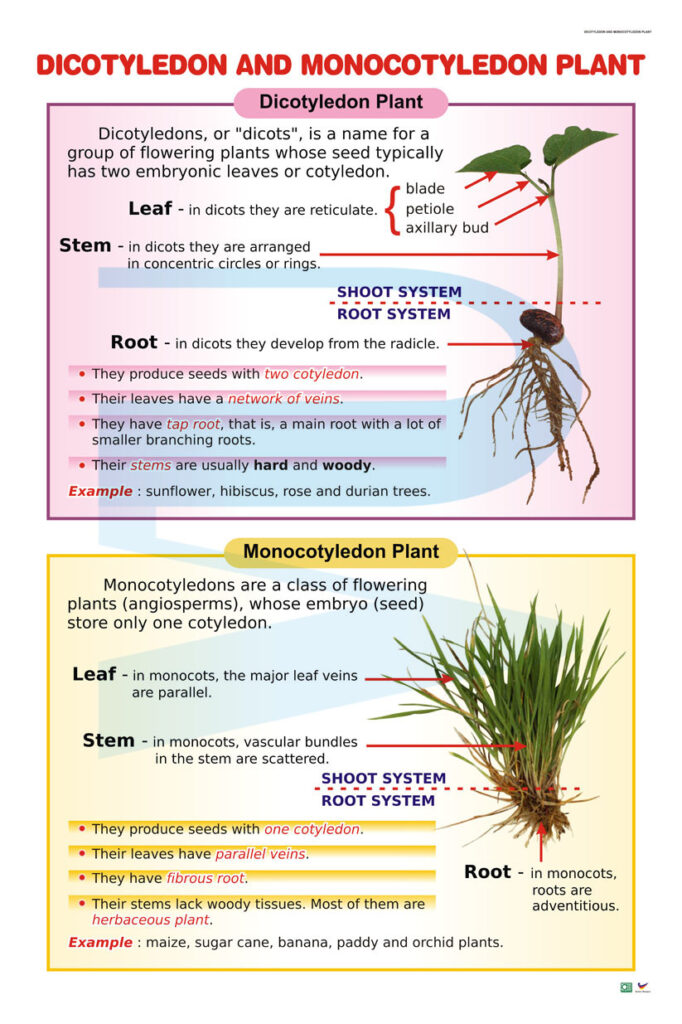
Dicotyledon plants, often simply called dicots, belong to the group Magnoliopsida. The name comes from the Greek “di‑kótion,” meaning “two seeds,” because their embryos typically sport two cotyledons—the first leaves that emerge from a seed.
In practice, this classification is a bit of a legacy from older botanical systems. Modern phylogenetics splits flowering plants (angiosperms) into several clades, yet the dicot label still sticks around for everyday conversation and many field guides.
Historical Context
Back in the 19th century, botanists relied heavily on visible traits like leaf veins and seed structure. Those early dichotomies gave rise to the classic “dicot vs. monocot” split that still appears in textbooks. While DNA sequencing has reshaped the family tree, the dicot concept remains useful for identifying a broad set of plants.
Core Characteristics of Dicotyledons
Not every plant with two seed leaves checks all the boxes, but most dicots share a handful of hallmark features. Spotting these traits in the field can be surprisingly satisfying.
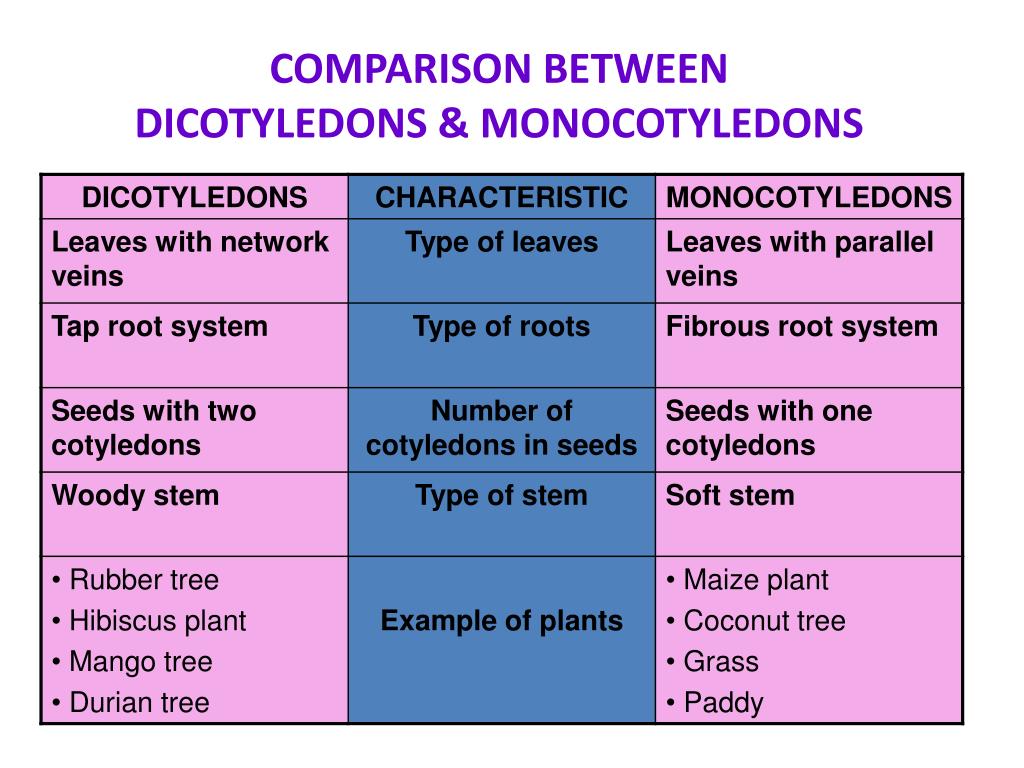
- Two cotyledons in the seedling stage.
- Net-like (reticulate) leaf venation, giving leaves a branched pattern rather than parallel lines.
- Flower parts in multiples of four or five—think of roses with five petals.
- Vascular bundles arranged in a ring within the stem, often leading to a distinct cambium layer that allows for secondary growth (think tree trunks expanding over years).
- Taproot system, where a primary root grows deep and thick before branching.
Of course, nature loves exceptions. Some plants blur the lines, showing a mixture of monocot and dicot traits, especially in transitional families. Still, the list above covers the majority of familiar garden varieties.
Examples You Probably Know
From houseplants to towering hardwoods, dicots are everywhere. Below is a quick tour of some recognizable members.
- Roses (Rosa spp.) – Classic garden staples with five‑petaled blooms.
- Tomatoes (Solanum lycopersicum) – The fruit we garnish countless dishes with.
- Maple trees (Acer spp.) – Famous for their autumn fireworks and distinctive leaf shape.
- Sunflowers (Helianthus annuus) – Though they look like monocots at first glance, their flower heads hide dicot structure.
- Beans (Phaseolus spp.) – A quintessential example of a taproot system and pod fruit.
Even herbs like basil (Ocimum basilicum) and lavender (Lavandula angustifolia) fall under the dicot umbrella, as do many fruit trees—apple, cherry, and peach, to name a few.
Why the Distinction Matters
Understanding whether a plant is a dicot isn’t just academic. It influences how you care for it, how it interacts with its environment, and even how it fits into agricultural practices.
For gardeners, the taproot habit of many dicots means they need deeper, well‑draining soil. In forestry, the secondary growth of dicot trees informs timber quality and wood density. And in horticulture, knowing the typical flower part count can guide pollination strategies or hybrid breeding programs.
Ecological Implications
Dicots often dominate temperate forests, providing habitats for countless insects and birds. Their broader leaves and extensive root systems contribute to soil stability and nutrient cycling. In contrast, monocots like grasses dominate open savannas, offering a different set of ecological services.
Spotting a Dicot in the Wild
If you want to test your plant‑identification skills, try this quick checklist during a hike:
- Look at the leaf veins—do they form a network?
- Count the flower parts—are they in fives or fours?
- Examine the stem cross‑section (if you can safely cut a piece)—is the vascular tissue in a ring?
- Check the seedling—two tiny first leaves?
Even a single clue can tip you off, and with a little practice you’ll start seeing patterns everywhere.
So next time you pause beside a blossoming bush or a towering oak, you’ll have a richer sense of what makes that plant a dicotyledon—two seed leaves, a web of veins, and a whole host of traits that have shaped ecosystems for millions of years.