What E‑Government Is, Its Benefits, and Real‑World Examples
Defining E‑Government
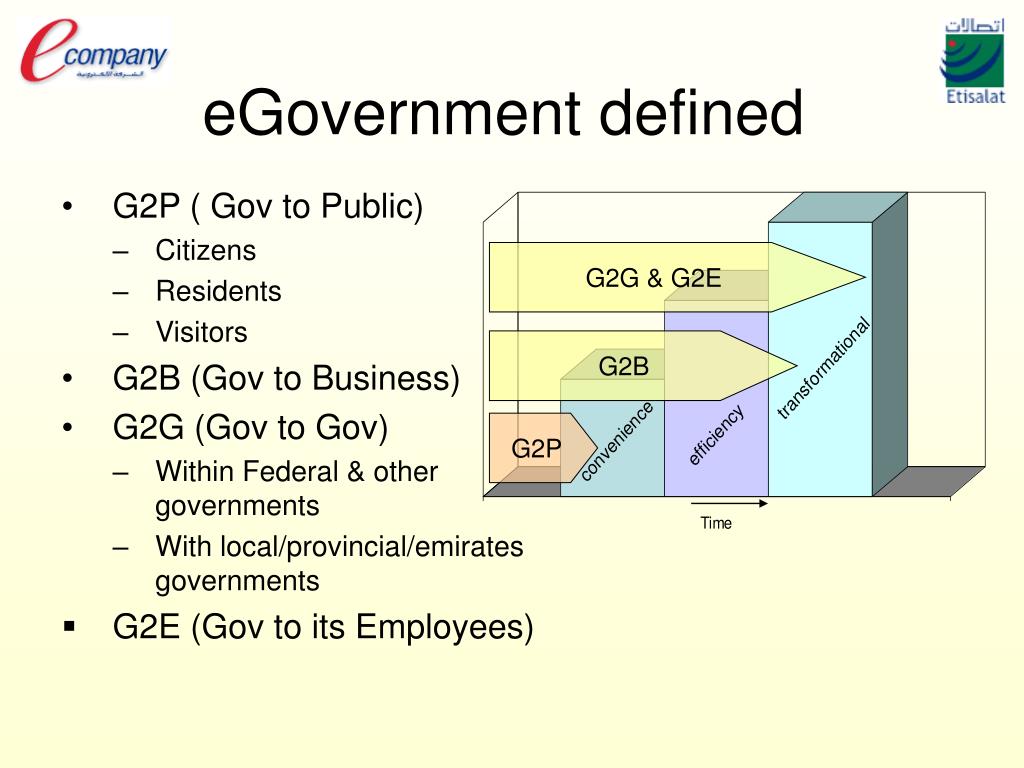
When governments move services online, they’re not just adding a website—they’re reshaping how citizens interact with the state. e-government refers to the use of digital technologies, especially the internet, to deliver public information, facilitate transactions, and enable participation in governance. It spans everything from simple online tax filing to complex data‑driven policy platforms. The core idea is to make public administration more accessible, efficient, and transparent.
In practice, e-government can be broken into three layers. The first, information portals, give users a place to read laws, schedules, or public notices. The second, transactional services, let people file forms, pay fees, or apply for permits without stepping into a government office. The third, participatory tools, invite feedback, crowdsourced ideas, and even co‑creation of policies through forums, surveys, or open data initiatives. Together, these layers form a digital ecosystem that mirrors, and often improves upon, the traditional bureaucracy.
Key Benefits of Digital Public Services
Speed and convenience are the most obvious wins. A citizen can renew a driver’s license at midnight from a kitchen table, cutting out long queues and costly trips to municipal offices. For governments, automation reduces paperwork, lowers staffing needs, and limits the chance for human error.
Transparency also gets a boost. When budget data, procurement records, or legislative drafts are posted online, watchdog groups and ordinary people can scrutinize them in real time. This openness tends to discourage corruption and builds public trust.
Beyond the obvious, digital platforms enable better policy design. By collecting anonymized usage statistics—how many people apply for a certain benefit, which forms cause the most errors—administrators can spot bottlenecks and redesign processes. The feedback loop becomes shorter and more data‑driven.
Finally, e‑government fosters inclusion. Mobile‑friendly portals can reach rural residents who lack easy access to physical offices. Multilingual interfaces and assistive technologies make services usable for non‑native speakers and people with disabilities.
Real‑World Examples from Around the Globe
Seeing the concept in action helps clarify its impact. Below are a few notable cases that illustrate different stages of digital transformation.
Estonia: The Pioneer of Digital Identity
- Every citizen receives a secure electronic ID card that unlocks more than 2,000 services, from voting to health records.
- The system’s backbone is a decentralized X‑Road data exchange, allowing agencies to share information safely without creating duplicate databases.
- Result: Estonia processes 99% of government interactions online, and its e‑residency program now attracts entrepreneurs worldwide.
Singapore: One‑Stop Government Portal
- Gov.sg aggregates services from over 20 ministries, letting users complete tasks like applying for work passes or checking CPF contributions in a single session.
- Artificial intelligence chatbots handle routine inquiries, freeing staff for more complex cases.
- Outcome: Average processing times for permits have dropped by up to 40%, and citizen satisfaction scores consistently rank among the highest in Asia.
Canada: Open Data for Civic Innovation
- The Government of Canada launched an open data portal that publishes everything from weather forecasts to transportation statistics.
- Developers use these datasets to build apps that alert citizens to road closures or track pollution levels.
- Impact: Over 200 third‑party applications have been created, many of which have saved municipalities millions in operational costs.
Kenya: Mobile Money Integration
- Through the M-Pesa network, Kenya’s e‑government services let users pay taxes, renew licences, and receive social benefits via basic phones.
- This approach sidesteps the need for broadband, leveraging the country’s extensive mobile‑money infrastructure.
- Result: Financial inclusion has risen dramatically, and the government reports a 30% increase in tax compliance among small businesses.
Challenges to Keep in Mind
While the upside is compelling, the transition isn’t without hurdles. Cybersecurity remains a top concern; a breach in a national ID system could expose millions of personal records. Data privacy regulations must evolve alongside technology, balancing transparency with individual rights.
Another obstacle is the digital divide. Not everyone has reliable internet or the skills to navigate complex portals. Successful e‑government programs pair online services with community outreach, training sessions, and alternative access points such as public kiosks.
Finally, institutional inertia can slow adoption. Legacy systems, siloed departments, and resistance to change often require strong political will and clear legislative mandates to overcome.
FAQ
How does e‑government improve citizen engagement?
By offering interactive platforms—online polls, comment sections on draft legislation, and crowdsourced budgeting tools—governments invite direct input, making policy‑making more responsive.
What security measures protect online government services?
Most mature e‑government systems use multi‑factor authentication, end‑to‑end encryption, and regular penetration testing. Some, like Estonia’s, also rely on blockchain‑based logging to detect tampering.
Can small municipalities adopt e‑government without huge budgets?
Yes. Cloud‑based SaaS solutions, open‑source platforms, and shared regional services let smaller jurisdictions roll out digital forms and payments at a fraction of the cost of building custom infrastructure.
Is e‑government always better than face‑to‑face services?
Not necessarily. While digital channels excel at routine tasks, complex cases—such as legal aid or nuanced social services—still benefit from personal interaction. A hybrid model often delivers the best user experience.